
Flowers
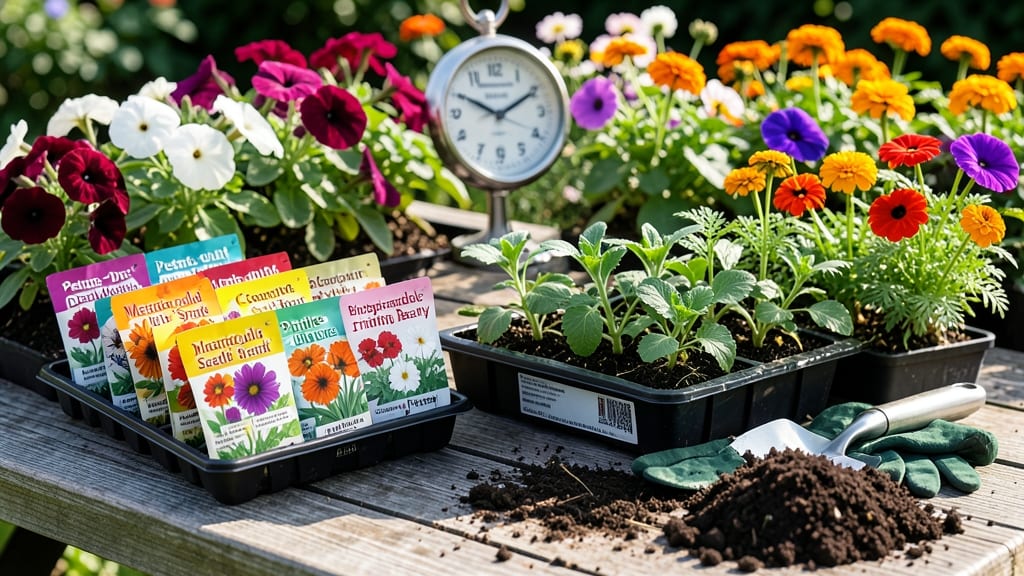
Planting flower seeds in Minnesota at the right time means the difference between a garden bursting with 🌸 color and a season of disappointment.
Minnesota’s unpredictable frost dates can turn a thriving flower garden into a risky gamble—unless you plant at the perfect time for each variety. Get your timing wrong, and your annuals may bolt before blooming, while perennials could struggle to establish roots.
In USDA zones 4a-5b, the ideal window for most flower seeds is late April through mid-May, once the soil warms to at least 50°F. But fall planting in late July or early August also works for hardy varieties like cosmos and black-eyed Susans.
Below, I break down the exact frost-date guide by zone, when to start seeds indoors, and how to adjust for late frosts—so you can finally get those blooms you’ve been dreaming of.
Minnesota frost dates by Zone: when to plant flower seeds indoors vs outdoors
Minnesota’s USDA Hardiness Zones 3-5 create unique challenges for gardeners, with last frost dates shifting from May 10 in Zone 3 to May 20 in Zone 5. Understanding these frost-free windows is critical for timing flower seed planting, whether you're starting seeds indoors or sowing directly outdoors.
Heat-loving annuals like marigolds and zinnias need warm soil, while cool-season perennials like aster thrive when planted early.
Every seed packet lists "days to frost-free"—this is your golden rule. For example, if your last frost date is May 15 and your cosmos seeds need 60 frost-free days, you’ll need to start them indoors by March 15.
But in Zone 4, where frosts linger, you might delay until April 1 for direct sowing. The key is matching seed packet instructions with your local frost data.
Fall planting offers a second chance for biennials like foxglove and hollyhock. In Minnesota, aim to sow 6-8 weeks before first frost (typically late July to early August in Zone 4). This gives seedlings time to establish roots before winter dormancy. For Zone 5, you can push this window slightly later—early August—while Zone 3 gardeners should plant by late June.
Here’s how Minnesota’s three hardiness zones break down for flower seed timing, including indoor starts, outdoor sowing, and fall windows:
For heat-loving annuals like sunflowers or cleome, wait until soil temperatures hit 60°F+—usually late May to early June in Minnesota.
Check soil temps with a soil thermometer or use the "finger test": push your finger 2 inches deep; if it feels warm, it’s ready. Cool-season flowers such as snapdragons or pansies can handle earlier planting, even if frosts linger, as long as they’re protected with row covers.
Pro tip: Use succession planting to stretch your blooms. Sow fast-growing annuals like bachelor’s buttons every 2 weeks from May through July. This ensures continuous color even if early plantings bolt from heat.
In Zone 5, you can even try late-summer sowings of cosmos or zinnias for fall blooms before frost.
Minnesota’s microclimates add another layer. Urban areas like Minneapolis may see warmer soil 1–2 weeks earlier than rural Zone 4 spots, while lake-effect zones (near Lake Superior) can delay last frosts by 5–7 days.
Always check local weather stations or use Almanac’s Frost/Freeze tool for precise timing. When in doubt, err on the side of planting later—you can always add more seeds, but lost seedlings are heartbreaking.
Don’t forget to harden off indoor starts before transplanting. Acclimate seedlings to outdoor conditions over 7–10 days, moving them to shadier spots during the day and bringing them in at night. This reduces transplant shock and helps seedlings adjust to
Best flower seed planting schedule by variety type (annuals, perennials, bulbs)
Timing is everything in Minnesota’s short growing season. For annuals like cosmos and marigolds, you’ll want to start seeds indoors or sow directly after the last frost—typically mid-May in most zones.
Meanwhile, perennials like peonies and black-eyed Susans need a head start indoors, while bulbs like tulips should be planted in fall for spring blooms. Let’s break down the perfect planting schedule for Minnesota’s most beloved flowers.
Minnesota’s USDA Zones 4a-5b mean frost can sneak up unexpectedly.
Annuals like zinnias and sunflowers thrive when sown directly after the last frost, but perennials such as coneflowers and lavender need extra time to establish roots. Bulbs like daffodils and crocuses, on the other hand, should be planted in fall—ideally between September and October—to naturalize and bloom the following spring.
- 1
- 2
- 3
- 4
For late-summer blooms, don’t overlook fall planting. Biennials like foxgloves and hollyhocks love being sown in August, giving them time to grow roots before winter. This strategy ensures vibrant blooms the following year. Just remember: soil temperatures should be above 50°F for successful germination.
Pro tip: Use row covers or cold frames to extend your planting window. These tools can protect tender seedlings from late spring frosts (which can still hit in early June) and give your flowers a head start.
For bulbs, plant them 6 weeks before ground freezes—usually by mid-October in Minnesota.
Adjust your schedule based on microclimates. Urban areas may stay warmer, while rural spots can get colder. Always check your local frost-free dates and monitor soil temperatures with a thermometer. With the right timing, your Minnesota garden can burst into color from spring to fall! 🌸