
Flowers
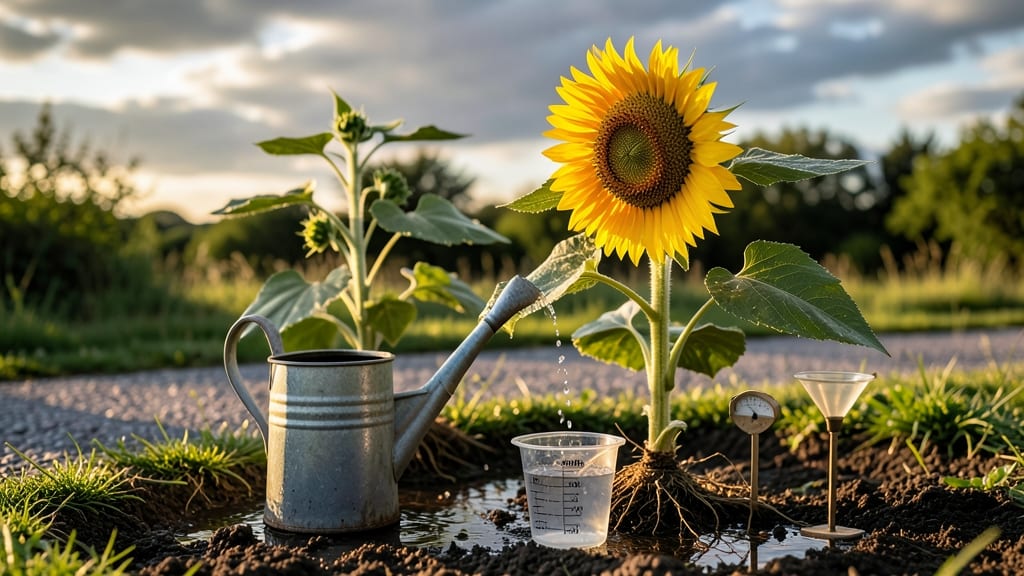
Sunflowers need about 1-2 inches of water per week once established, but getting that right at the right time is the secret to those towering, 10-foot giants you’ve always dreamed of.
Picture this: You’ve just planted your 🌻 seeds in early spring, and the soil stays damp for weeks—only to watch your seedlings flop over like overwatered noodles. Or maybe you’re in a hot, dry summer, and your sunflowers wilt by noon, no matter how much you water.
The truth? Sunflowers are drought-tolerant, but they do have a sweet spot for moisture that keeps them strong without drowning their roots.
Below, I’ll break down the exact watering schedule by growth stage—from seedlings to flowering giants—plus the sneaky signs (like droopy leaves or yellowing stems) that tell you to dial it back or pour on more. Spoiler: It’s not about how often you water, but how deep and when.
Ready to turn your sunflowers into the showstopper of the garden? Let’s dive into the weekly plan that’ll have them reaching for the sky—without a single wilted moment.


Sunflower water requirements by growth stage: exact weekly schedule
Sunflowers thrive on consistency, but their water needs change dramatically from tiny seedlings to towering giants. Overwatering at the wrong stage can rot roots, while underwatering during flowering stunts growth.
The key is matching moisture to each phase—here’s how I’ve perfected it over years of trials with Helianthus annuus varieties.
Most gardeners assume sunflowers are drought-tolerant once established, but young plants need precise moisture to avoid damping off. Even mature plants require 1-2 inches per week in most climates, but that jumps to 2-3 inches during flowering when energy demands peak.
Let’s break it down by stage so you never guess again.
| Growth Stage | Water Needs | Frequency | Soil Moisture Target | Visual Cues |
|---|---|---|---|---|
| Germination (0-7 days) | Critical moisture | Daily (light misting) | Keep soil constantly damp (not soggy) | Seeds shrink if dry; mold if waterlogged |
| Seedling (7-21 days) | High moisture | Every 2-3 days | 1 inch per week (top 2 inches moist) | Leaves curl if thirsty; yellow if overwatered |
| Vegetative (3-8 weeks) | Moderate needs | Every 3-4 days | 1.5 inches per week (top 3 inches moist) | Stems soften if overwatered; growth slows if dry |
| Flowering (8-12 weeks) | Peak demand | Every 2-3 days | 2-3 inches per week (deep watering) | Bud dropping = underwatering; rotting base = overwatering |
| Maturity (12+ weeks) | Low maintenance | Every 5-7 days | 1 inch per week (drought-tolerant) | Leaves brown at edges if thirsty |
During the germination stage, I use a spray bottle to keep seeds moist—never let them dry out, but avoid standing water. A simple trick? Place a clear plastic dome over seedlings to retain humidity while still allowing light. Remove it after 10 days to harden off young plants.
Once seedlings hit 2 inches tall, I switch to deep watering at the base (not overhead) to prevent fungal diseases like powdery mildew. Use your finger to check soil moisture: if the top 1 inch feels dry, it’s time to water.
Mature sunflowers can handle drought better than overwatering, but flowering plants need consistent moisture to support those heavy heads.
In hot climates (like my Zone 9 garden), I increase watering to daily shallow checks during summer, ensuring the soil never dries past 3 inches deep. For sandy soil, water more frequently but less deeply—these soils drain too quickly. Clay soil? Water deeply but less often to prevent compaction.
Pro tip: Mulch heavily (2-3 inches of straw or wood chips) to lock in moisture and regulate temperature. I’ve seen sunflowers in containers wilt within hours without mulch, while mulched plants stay hydrated for days. Always water in the early morning to reduce evaporation and fungal risks.
Watch for yellowing leaves—this often signals overwatering, while drooping stems mean thirst. Adjust based on your local climate: in humid areas, reduce frequency; in arid regions, increase depth. With this schedule, my sunflowers consistently hit 10+ feet tall with vibrant blooms.
Remember: sunflowers hate soggy roots. If your soil stays wet for more than 48 hours, reduce watering immediately. The goal is consistent moisture, not saturation. Now grab your watering can and give those towering beauties the perfect drink!
5 Signs your sunflowers are thirsty (or drowning) + fixes
Sunflowers 🌻 are surprisingly resilient, but even these hardy plants can send distress signals when their water needs aren't met. The key is learning to read their subtle cues—drooping leaves might mean thirst, but yellowing foliage could signal overwatering.
Let's decode these signs so you can adjust your watering routine before it's too late.
First, check the soil moisture by sticking your finger about 2 inches deep. If it feels dry, your sunflowers need water.
But if the soil stays soggy for more than 24 hours, you're likely drowning them. Root rot is a silent killer, especially in heavy clay soils or containers without drainage holes.
⚠️ WARNING: Sunflower Watering Red Flags
How much water do sunflowers need? The answer depends on your climate, but a general rule is 1-2 inches per week during active growth (spring/summer). In sandy soil, they may need watering every 2-3 days, while clay soil can hold moisture longer, requiring watering every 5-7 days. Always water deeply—aim for 6-8 inches of soil moisture to encourage deep root growth.
Overwatering signs: Yellowing leaves, mold on soil surface, or stems that feel mushy when touched. Underwatering signs: Wilting even when soil is moist, dry soil cracking, or leaves curling at the edges.
Watch for yellowing leaves starting from the bottom of the plant. This often means overwatering or poor drainage, as sunflowers prefer well-draining soil. If the yellowing spreads to the entire plant, it could also indicate nutrient deficiency—especially nitrogen. Test your soil and amend with compost if needed.
Another telltale sign is drooping foliage that doesn't perk up after watering. This could mean the roots aren't absorbing water efficiently due to compacted soil or heat stress.
Try watering in the early morning to reduce evaporation and improve absorption. Mulching with straw or wood chips can also help retain moisture.
For extreme heat or sandy soil conditions, adjust your watering schedule. In these cases, water deeply every 2-3 days rather than shallowly daily. Use a moisture meter or the "squeeze test"—grab a handful of soil; if it crumbles easily, it's dry enough for another watering.
If your sunflowers are in containers, they'll need more frequent watering—sometimes daily in hot weather. Ensure pots have drainage holes and use a well-draining potting mix. For garden beds, focus on deep watering 2-3 times per week rather than light sprinkles.
Remember, sunflowers are drought-tolerant once established, but they still need consistent moisture during their first 6-8 weeks of growth. Pay attention to these signs, and your sunflowers will reward you with those iconic, sun-soaked blooms all season long. 🌻