
Flowers
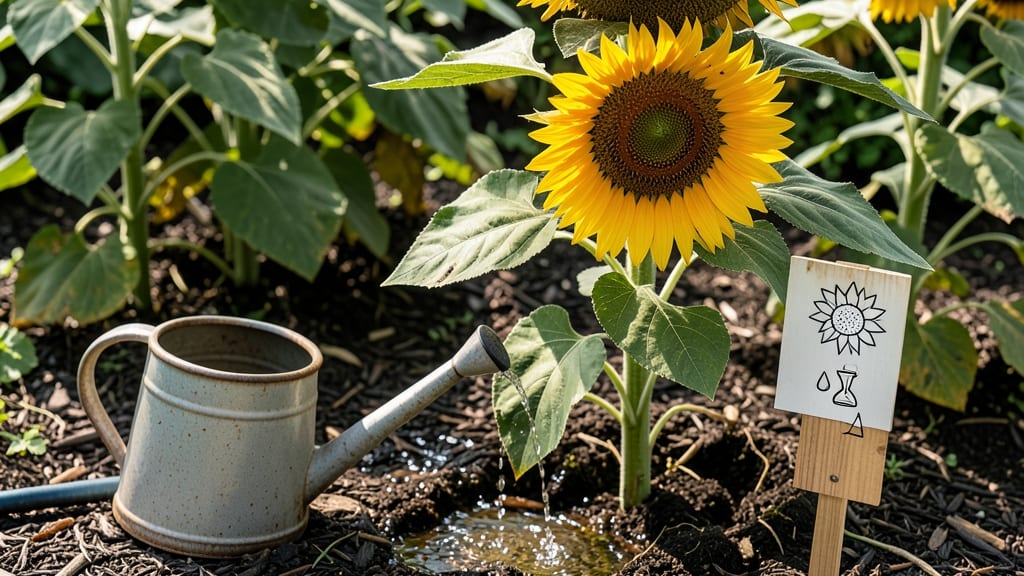
To water sunflowers effectively, how often should sunflowers be watered with deep, consistent soaks every 3 to 5 days—especially during their rapid growth in spring—while avoiding soggy soil that chokes their roots.
Sunflowers are drought-tolerant powerhouses, but even the hardiest plants need the right watering balance—too much and you risk rot, too little and they wilt before blooming. Mastering their hydration schedule is the secret to towering stems and vibrant blooms.
Think of their roots as a thirsty straw reaching deep into the earth: a 1-inch-deep watering at the base (not overhead) encourages strong stems, while morning watering prevents fungal diseases that lurk in evening dampness.
Below, I break down the exact schedule by growth stage—from delicate seedlings to sun-drenched blooms—plus signs your 🌻 are begging for a drink (or drowning in it).
Sunflower watering schedule by growth stage: from seedlings to blooms
Sunflowers thrive on a precise watering schedule that changes as they grow. Unlike many flowers, they’re drought-tolerant once mature, but their early stages demand careful attention. Skipping this balance means stunted growth or root rot—neither of which you want for your towering 🌻 giants.
Think of watering as a three-act play: delicate seedlings, robust vegetative growth, and the drought-resistant finale of flowering. Each stage has its own watering rhythm, and ignoring it can turn your sunflowers into sad, wilted sticks. Let’s break it down so you never guess again.
🌱 Pro Tip: Always water at the base of the plant, not overhead. This prevents fungal diseases and keeps those bright yellow petals pristine. A drip irrigation system or soaker hose is your best friend here.
During the seedling stage, your sunflowers are like tiny water sponges. They need frequent, shallow watering to encourage root development. Use a fine-mist spray bottle or gentle watering can to avoid disturbing the soil. If the top 1/2 inch feels dry, it’s time to water again.
Once they hit the vegetative stage (those 6-inch-tall stalks), switch to deep watering. Stick your finger 3-4 inches into the soil—if it’s dry, give them a slow, deep drink. This encourages roots to grow downward, making your sunflowers more drought-resistant later on.
Here’s where many gardeners make a critical mistake: they overwater during flowering. Sunflowers are naturally drought-tolerant once they’ve established a strong root system. In fact, reducing water slightly at this stage can improve flower quality and seed production.
If you’re in a hot, dry climate, adjust your schedule. Sunflowers can handle less frequent watering if the soil retains moisture well. Mulch heavily with straw or wood chips to lock in moisture and keep roots cool.
In humid climates, water less often to avoid fungal diseases like powdery mildew.
Always water in the early morning (between 6-9 AM). This gives foliage time to dry before evening, reducing the risk of blight and rot. Avoid watering at night—wet leaves in cool temperatures create the perfect fungal feast.
Watch for wilting leaves or yellowing stems, which signal underwatering. On the flip side, mushy stems or moldy soil mean you’re overdoing it. Adjust your schedule based on these visual cues and your local weather patterns.
With this stage-by-stage approach, your sunflowers will grow taller, healthier, and more vibrant than ever. And when those giant blooms turn toward the sun, you’ll know you’ve mastered the art of sunflower hydration.
5 Signs your sunflowers are thirsty (or overwatered) and how to fix it
Sunflowers 🌻 are surprisingly resilient, but even their tough stems can't handle watering extremes. Underwatering causes drooping leaves, while overwatering leads to root rot and moldy soil. The key is finding that sweet spot where moisture meets aeration.
I’ve learned the hard way that sunflowers hate soggy feet just as much as they resist thirsty roots.
Start by checking the soil moisture—stick your finger 1-2 inches deep. If it feels dry, your plants need water. If it’s damp or sticky, you’ve overdone it. Morning watering is my golden rule because it gives leaves time to dry before evening, reducing fungal risks.
But even with perfect timing, signs of stress will appear if you’re not paying attention.
🔍 How Often Should Sunflowers Be Watered?
- Seedlings: Water daily with a gentle mist to keep soil moist but not soggy. Use a spray bottle or fine rose attachment.
- Vegetative Stage (3-6 ft): Water every 2-3 days with 1-2 inches of water per session. Focus on the base, not the leaves.
- Flowering Stage: Reduce to every 5-7 days unless in extreme heat. Let the top 1-2 inches of soil dry between waterings to encourage deep roots.
- Established Plants (Mature): Water bi-weekly unless drought conditions persist. Mature sunflowers can handle light drought better than overwatering.
- Adjust for Climate: In high heat (90°F+), water every 2 days. In cool weather (60°F-70°F), stretch to 7-10 days. Always water early morning to prevent fungal diseases.
Watch for wilting leaves that don’t perk up after watering—this is your first warning sign. Yellowing stems or drooping buds mean your sunflowers are thirsty. If the soil smells musty or feels slimy, you’ve overwatered.
The fix? Stop watering immediately and let the soil dry out. For underwatered plants, give them a deep soak at the base and mulch to retain moisture.
Overhead watering is a common mistake—I used to blast my sunflowers from above, which spread diseases like powdery mildew. Instead, use a soaker hose or drip irrigation to deliver water directly to the roots. This method cuts down on evaporation and keeps foliage dry. If you’re using pots, ensure they have drainage holes—sunflowers in containers dry out faster and are more prone to root rot.
Another trick I swear by is the "finger test" before watering. Push your finger into the soil near the stem. If it feels dry and crumbly, it’s time to water.
If it’s cool and damp, hold off. Morning watering isn’t just about timing—it also helps prevent fungal diseases like Alternaria, which thrives in wet leaves. I’ve seen entire sunflower patches collapse from this, so I now water before 10 AM religiously.
For container-grown sunflowers, the rules change slightly. Smaller pots dry out faster, so check soil moisture daily in extreme heat. If the soil feels bone-dry within the top inch, water thoroughly. Mulching with straw or wood chips helps retain moisture and keeps roots cool.
I’ve seen sunflowers in containers double their growth when mulched properly—it’s a game-changer for small-space gardeners.
Remember, sunflowers are drought-tolerant once established, but they won’t forgive consistent neglect. If you’re unsure, underwater slightly—they’ll bounce back faster than if you drown their roots. The goal is deep, infrequent watering that encourages strong root systems.
With the right balance, your sunflowers will reward you with towering stems and vibrant blooms that turn heads in your garden. 🌻