
Watering
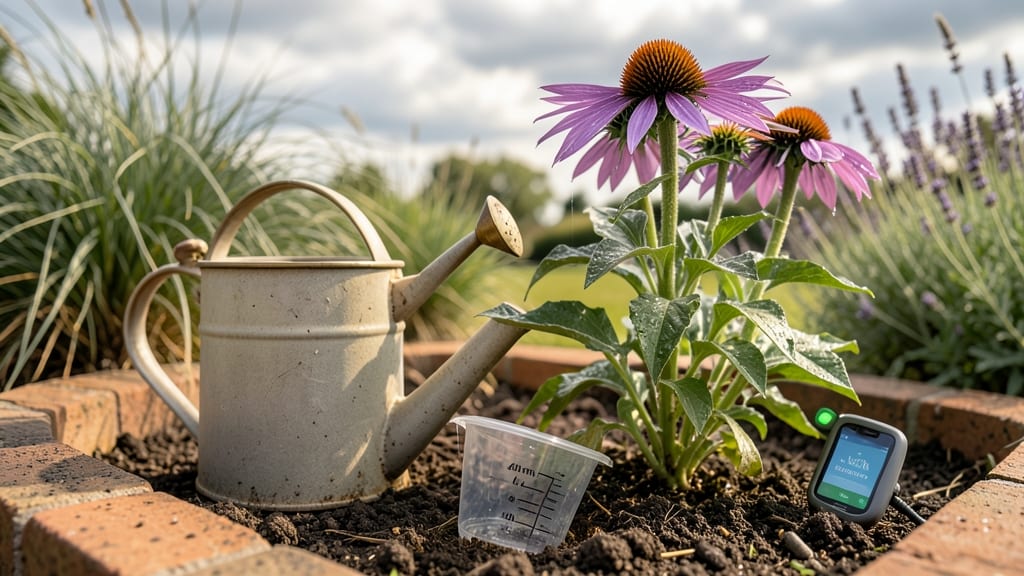
Watering coneflowers the right way keeps them blooming bright 🌼 all season—typically every 7 to 14 days once established, but that schedule changes with heat, soil, and growth stage.
Picture this: You’ve just planted your drought-tolerant coneflowers, eager for those cheerful purple blooms, only to watch them wilt under the midday sun—or worse, rot from soggy soil. The key? Adjusting watering based on whether they’re seedlings, established plants, or battling summer heat.
These hardy perennials thrive on deep, infrequent watering, but young plants need consistent moisture to root. Clay soil holds water longer than sandy soil, and a humid summer might stretch your watering intervals.
I’ll walk you through the exact schedule, seasonal tweaks, and how to spot when you’re overdoing (or underdoing) it.
By the end, you’ll know exactly how much to water, when to cut back, and why mulching can save you hours of work—plus how to tell if your coneflowers are happy or begging for help.
Coneflower watering schedule by season: when and how much
Mastering the coneflower watering schedule ensures your Echinacea thrives from spring planting through winter dormancy. These drought-tolerant perennials need consistent moisture early on but become surprisingly resilient once established. The key? Understanding seasonal adjustments and soil moisture checks to avoid both drought stress and root rot.
Newly planted coneflowers demand the most attention, while mature plants in full sun can stretch their watering intervals. Rainfall plays a huge role—always adjust your schedule based on your local climate. Let’s break down exactly how often to water coneflowers each month, plus pro tips for efficiency.
| Season/Month | Watering Frequency | Amount per Watering | Soil Moisture Check | Pro Tip |
|---|---|---|---|---|
| Spring (March-May) | Weekly (new plants) Bi-weekly (established) |
1-1.5 inches deep | Top 2 inches dry | Mulch after watering to retain moisture |
| Summer (June-August) | Every 5-7 days (heat waves) Every 10-14 days (normal) |
1.5-2 inches deep | Top 3 inches dry | Water deeply at soil level, not leaves |
| Fall (September-October) | Bi-weekly (early fall) Monthly (late fall) |
0.5-1 inch deep | Top 1 inch dry | Reduce watering as temps drop |
| Winter (November-February) | Monthly (if no snow) | Light sprinkle (0.25 inch) | Soil rarely needs water | Avoid wet snow buildup on foliage |
In spring, your coneflowers need regular watering—about once weekly for new transplants—to establish strong roots. Use your finger to check soil moisture: if the top 2 inches feel dry, it’s time to water.
Apply water slowly at the base to encourage deep root growth, avoiding wetting the foliage to prevent fungal diseases.
Summer brings the most critical adjustments. During heat waves, increase frequency to every 5-7 days and water 1.5-2 inches deep. Mature plants handle drought better but still need occasional deep soaks.
Always water in the early morning to reduce evaporation and fungal risks. If your area receives 1 inch of rain, skip scheduled watering that week.
As fall arrives, taper back to bi-weekly watering in early months, then switch to monthly by late fall. This gradual reduction helps harden off plants before winter dormancy. Add a 2-3 inch mulch layer around the base to insulate roots and retain minimal moisture during cold snaps.
Winter care is minimal for coneflowers. Only water monthly if your region experiences dry spells without snow. Focus on keeping foliage dry—wet snow can smother plants.
If your area gets consistent snow cover, skip watering entirely until spring. This dormant period allows roots to rest and recharge for next year’s blooms.
Pro tip: Use a moisture meter or the finger test to avoid overwatering. Coneflowers in containers dry out faster—check soil daily in extreme heat. For established plants in well-draining soil, you can stretch intervals to every 2-3 weeks during mild summers.
Remember, coneflowers reward patience. Overwatering causes root rot, while underwatering leads to wilting and poor blooms. Stick to this seasonal schedule, adjust for your climate, and you’ll enjoy vibrant purple blooms from mid-summer through fall.
Signs of overwatering vs. underwatering coneflowers (and how to fix it)
Even drought-tolerant coneflowers (Echinacea) can suffer from watering mistakes. Overwatering and underwatering both show up in their leaves, stems, and overall health. The key is learning to read your plants' signals before damage becomes permanent.
Start by checking the soil moisture 2-3 inches below the surface. Stick your finger in—if it feels soggy, you're likely overwatering. If it's bone-dry, your coneflowers need hydration. These simple checks can save your plants from stress.
New plants: Water every 5-7 days (deep soak).
Established plants: Every 10-14 days (adjust for heat).
Key rule: Water deeply (1 inch per week) but never let soil stay soggy. Mulch helps retain moisture without drowning roots.
Yellowing leaves are a common red flag, but they mean different things. Overwatered coneflowers show yellowing with mushy stems and foul-smelling soil. Underwatered plants have crispy, yellow-edged leaves that feel dry to the touch.
If your coneflowers look wilting midday, it's often a sign of underwatering. However, if wilting happens after heavy rain or overwatering, the roots may be suffocating from poor drainage. Always check the soil first!
For overwatered coneflowers, reduce water immediately and improve drainage. Amend heavy soil with compost or perlite to help roots breathe. For underwatered plants, give them a deep watering at the base and mulch to retain moisture.
Remember, coneflowers thrive on neglect once established. Focus on deep, infrequent watering and let their natural drought tolerance shine. With the right balance, you'll enjoy vibrant blooms all season long! 🌼