
Flowers
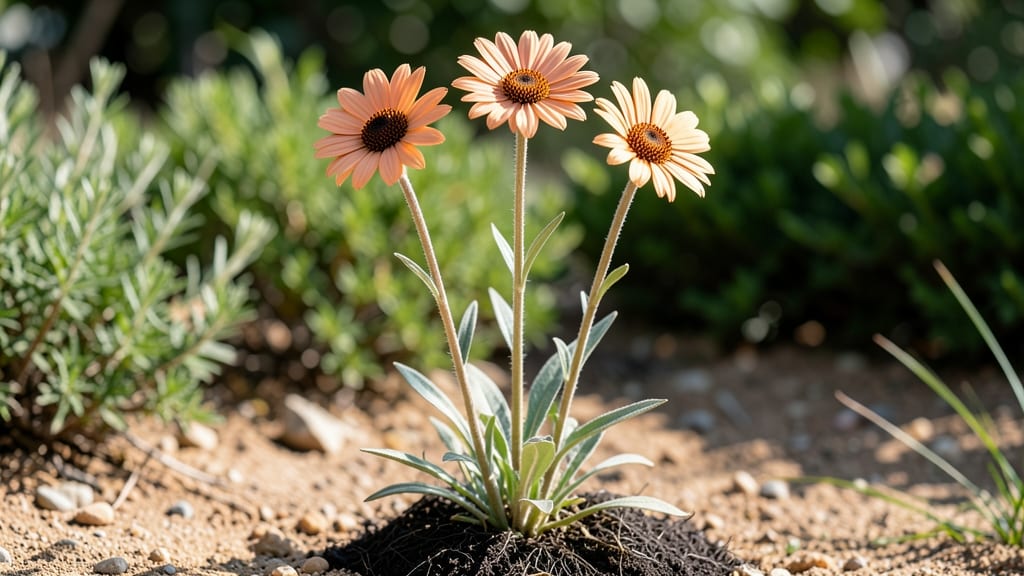
Strawflowers grow between 1 and 3 feet tall—but their height depends entirely on the variety you choose, and getting that right means the difference between a wildflower meadow and a structured garden border.
Picture this: a dwarf 'Moulin Rouge' barely brushing your knee, while a tall 'Golden Delicious' stretches toward your waist. That’s the beauty of strawflowers—🌼 they offer everything from compact accents to towering statement plants, all with the same long-lasting blooms. The key? Matching your variety to your vision.
Sunlight, soil, and pruning all play a role in how tall your strawflowers grow, but the biggest factor is the seed packet. Some stay under 1.5 feet while others reach 3 feet—and yes, that matters when you’re planning a cut-flower arrangement or a pollinator-friendly border.
Below, I’ll break down the height ranges by variety, plus how to coax the most out of your plants without overcrowding.
You’ll also discover how to use height differences to your advantage—whether you’re filling gaps in a mixed border or creating a dramatic vertical display. Spoiler: the right spacing and care can turn a 1-foot dwarf into a 2-foot showstopper.

Strawflower height by variety: dwarf to giant sizes explained
Strawflowers (Helichrysum bracteatum) are one of my favorite flowers for their long-lasting blooms and versatile height ranges. Some varieties stay under 12 inches tall, while others reach 3 feet or more.
Choosing the right variety for your space ensures your garden stays balanced and visually stunning. Let’s explore the height differences and how to space them properly for optimal growth.
If you’re planning a border garden or container arrangement, knowing the mature height of each variety is key. Dwarf strawflowers work perfectly for front-of-bed planting or window boxes, while taller varieties add drama to backdrop designs or cut flower arrangements.
Below, I’ve outlined the most popular varieties and their typical heights, so you can pick the perfect fit for your garden.
The 'Dwarf' series is ideal if you’re working with limited space or want to create a layered look in containers. These compact varieties thrive when spaced 8–12 inches apart, allowing them to fill out without overcrowding.
In contrast, the 'Moulin Rouge' variety can reach 3 feet tall, making it perfect for adding height to backdrop gardens or dried flower arrangements.
When planting taller varieties like 'Limelight' or 'Golden Delicious', give them extra space—18–30 inches apart—to prevent competition for nutrients and sunlight. Overcrowding can lead to leggy stems or reduced blooms, so always follow the spacing guidelines above.
If you’re unsure about spacing, err on the side of giving them more room; strawflowers are forgiving and will fill in beautifully over time.
Another factor that influences height is pruning habits. Regularly deadheading spent blooms encourages bushier growth and can help keep taller varieties more compact. For varieties like 'Mojave', pinching back the tips early in the season can promote fuller, shorter growth.
This is especially useful if you’re growing strawflowers in containers or small gardens where height needs to be controlled.
For cut flower arrangements, taller varieties like 'Golden Delicious' or 'Moulin Rouge' are my top picks. Their long stems and durable blooms make them perfect for long-lasting bouquets. To maximize stem length, avoid over-fertilizing with nitrogen, which can lead to leafy growth at the expense of height.
Instead, use a balanced fertilizer like 5-10-10 to encourage strong, upright stems.
If you’re growing strawflowers in containers, choose dwarf varieties or prune taller ones regularly to prevent them from becoming top-heavy. A 5-gallon pot can comfortably hold one 'Dwarf' strawflower, while larger containers (10+ gallons) can accommodate 2–3 semi-dwarf varieties spaced properly.
Always ensure your container has drainage holes to prevent root rot, as strawflowers hate soggy soil.
One of my favorite tricks for using height differences to your advantage is pairing tall and short varieties in the same bed. For example, plant 'Dwarf' strawflowers in the front row and 'Limelight' in the back.
This creates a natural tiered effect that draws the eye and adds depth to your garden. You can also mix strawflowers with low-growing companions like snapdragons or sweet alyssum to create a lush, multi-level display.
Remember, strawflowers are drought-tolerant once established, so they thrive in full sun with minimal watering. However, consistent moisture during the first few weeks after planting will help them establish strong roots, which supports their mature height.
Avoid overwatering, as this can lead to weak stems and floppy growth, especially in taller varieties.
Now that you know the height ranges and spacing needs for each variety, you’re ready to create a strawflower garden that’s both functional and beautiful.
Whether you’re aiming for a compact container garden or a tall, dramatic border, there’s a strawflower variety that’s perfect for your vision. Happy planting! 🌼
How seasonal care affects strawflower height and bloom time
Strawflowers (Helichrysum bracteatum) are famously adaptable, but their height and bloom timing shift dramatically based on seasonal conditions. Too much shade or overcrowding can stunt growth, while ideal sunlight and soil encourage those signature 2-3 ft stems and vibrant blooms.
Understanding these factors helps you tailor care for compact containers or towering garden statements.
Spring planting sets the stage for summer blooms, but temperature fluctuations and watering habits can either accelerate growth or delay flowering. For example, Mojave strawflowers may reach 3 ft tall in full sun, while dwarf varieties stay under 1.5 ft even with perfect care.
The key lies in balancing pruning, sunlight, and soil nutrition at each growth stage.
⚠️ Height Warning: Strawflowers planted in partial shade (≤4 hours sun) can grow 50% shorter (1-1.5 ft) and bloom 4-6 weeks later than sun-exposed plants. Over-fertilizing in spring also triggers leafy growth over flowers, reducing height potential by 20-30%. Always space plants 12-18 inches apart for airflow.
Sunlight is the #1 factor for strawflower height. In full sun (6+ hours daily), stems elongate naturally, while partial shade triggers compact growth.
I’ve seen 'Golden Delicious' varieties hit 3 ft tall in my south-facing beds, but the same plants in east-facing containers maxed out at 18 inches. For container gardening, choose dwarf varieties like 'Moulin Rouge' or use reflective surfaces to boost light.
Pruning plays a surprising role in height control. Pinching back new growth by 1/3 in early summer encourages bushier, shorter plants (ideal for borders), while minimal pruning lets stems grow taller and straighter.
Deadheading spent blooms also extends bloom time by 3-4 weeks—a game-changer for cut flowers. I deadhead mine every 2 weeks to keep plants flowering until first frost.
Soil moisture matters more than you’d think. Strawflowers are drought-tolerant, but overwatering in spring can lead to leggy, weak stems (height drops by 30%). I water mine deeply once a week in summer and reduce to bi-weekly in fall.
For container plants, use well-draining mix with perlite to prevent root rot, which stunts growth entirely.
Seasonal adjustments are key for consistent height and blooms. In spring, focus on balanced fertilizer (5-10-10) to build strong stems. By late summer, switch to low-nitrogen feed to promote flowering over foliage.
I’ve found that mulching with straw in summer keeps roots cool, helping plants maintain height even in 90°F+ heat. With these tweaks, you’ll get the perfect height for your garden vision—whether that’s a tall backdrop or a compact container display.