
How To
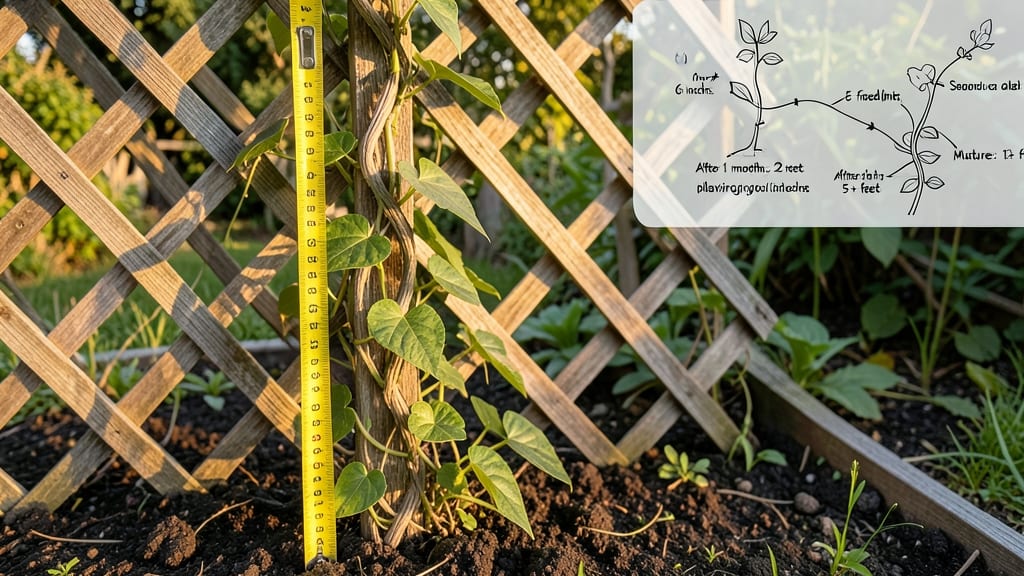
If you’ve ever dreamed of a lush, romantic vine cascading over your trellis or pergola, the moonflower (Ipomoea alba) could be your perfect plant—but only if you plan for its skyward ambitions.
Too little sunlight or weak support? Your vines might stay short or flop over. Too much fertilizer? They’ll grow fast but weak. Below, I break down how to coax maximum height while keeping those fragrant white blooms coming.
You’ll learn the ideal trellis setup, pruning tricks to encourage upward growth, and how climate affects height—so you can grow a moonflower that’s both stunning and sturdy.

Moonflower vining height: how tall does it grow under ideal conditions?
If you’ve ever dreamed of a lush, romantic vine cascading over your trellis or pergola, the moonflower (Ipomoea alba) could be your perfect plant—but only if you plan for its skyward ambitions.
This fast-growing annual can reach stunning heights when given the right conditions, making it a star for vertical garden designs. Understanding its growth potential helps you create a support system that matches its natural expansion.
Under ideal conditions, moonflowers typically grow between 10 to 15 feet tall on trellises, but in tropical climates or with exceptional care, they can surpass 20 feet. Their rapid growth—sometimes 6 inches per day—means they’ll quickly transform bare walls or pergolas into a fragrant, night-blooming paradise.
However, their height depends heavily on sunlight, soil quality, and pruning practices.
Moonflowers thrive in full sun exposure, which directly influences their vertical growth. Without adequate sunlight, vines may grow shorter and leggier, producing fewer blooms. In my garden, I’ve noticed that moonflowers planted near a south-facing trellis reach their maximum height faster than those in partial shade.
If you’re in a cooler climate, like USDA Zone 7, expect slightly slower growth compared to tropical regions.
Soil quality plays a crucial role too. Moonflowers prefer well-draining, nutrient-rich soil with a pH between 6.0 and 7.5. Amending your soil with compost before planting can give your vines the boost they need to climb higher.
I always mix in a 5-10-10 balanced fertilizer at planting time to encourage strong root development, which supports taller growth later in the season.
Pruning is another key factor in controlling height. If left unchecked, moonflowers can become overly aggressive, sprawling uncontrollably. Regular tip-pruning encourages bushier growth and prevents vines from becoming too top-heavy.
I prune mine every 2–3 weeks during the growing season, pinching back the tips to redirect energy toward lateral branches and more blooms.
Comparing moonflowers to similar vines like morning glories or sweet peas highlights their unique growth habits. While morning glories can also reach 10–15 feet, they’re less robust and may not support as much weight on a trellis.
Sweet peas, on the other hand, typically max out at 6–8 feet and require more frequent pruning to maintain height. Moonflowers strike a balance between height and durability, making them ideal for large-scale vertical gardens.
In tropical climates, moonflowers can grow uncontrolled, especially if they’re not pruned. I’ve seen vines in Florida and Hawaii reach 25 feet or more when given perfect conditions.
If you’re in a warm region, consider installing a strong trellis or pergola to guide their growth and prevent them from overwhelming nearby structures. Even in cooler climates, with proper care, you can coax moonflowers to reach 15–20 feet by summer’s end.
One common mistake gardeners make is underestimating support needs. Moonflowers are heavy when fully grown, and their vines can snap weak trellises or bend pergolas under their weight. Always use sturdy materials like metal or thick wooden posts, and space supports every 3–4 feet to distribute the load evenly.
I’ve learned this the hard way—my first attempt with a flimsy bamboo trellis ended with a dramatic collapse mid-summer!
To maximize height while ensuring a healthy, blooming vine, focus on these three priorities: sunlight, soil, and support. With the right conditions, your moonflower will reward you with a dramatic vertical display that’s perfect for arbors, fences, or even large containers.
And remember, the key to managing their growth lies in regular pruning and proactive support—not just hoping for the best.
If you’re ready to grow moonflowers, start by choosing a sunny spot with plenty of space for vertical expansion. With a little planning, you’ll have a romantic, night-blooming vine that becomes the centerpiece of your garden. Happy growing! 🌙🌿
Trellis support secrets: how to train moonflowers for maximum height without sacrificing blooms
Moonflowers (Ipomoea alba) are nature’s vertical artists, capable of climbing 15–20 feet with the right support—but only if you guide them properly. Without a sturdy trellis, their rapid growth can lead to tangled messes or broken stems.
The key? A well-placed trellis paired with strategic pruning to encourage upward momentum while preserving those stunning nocturnal blooms.
Start by choosing a trellis that’s at least 8–10 feet tall for standard varieties, but aim for 12+ feet if you’re in a warm climate where vines can surge beyond expectations.
Metal or wooden lattice works best—just ensure it’s buried 6–8 inches deep or anchored securely to handle the weight of woody stems and heavy blooms.
🌿 Step-by-Step Trellis Training for Moonflowers
- 1 Install the trellis early: Plant seeds 3–4 feet away from the trellis to give vines room to stretch toward it. Use soft ties (like old fabric strips) to avoid damaging stems.
- 2 Encourage upward growth: Once vines reach 3–4 feet tall, gently twist the tip of the main stem around the trellis wires. Avoid tying—this can strangle the vine over time.
- 3 Prune for height: Pinch off new lateral shoots below 12 inches to redirect energy upward. Save side branches only for horizontal display on pergolas.
- 4 Support heavy blooms: When flowers appear, add extra cross-bracing to the trellis. Moonflowers can double in weight when in bloom, so reinforce weak spots with bamboo stakes if needed.
- 5 Seasonal care: In fall, trim back dead vines but leave healthy stems for next year’s growth. Mulch the base to protect roots in cold climates.
One of the biggest mistakes gardeners make is overcrowding plants near the trellis. Moonflowers need at least 3 feet of space between vines to avoid competition for nutrients, which can stunt growth.
If you’re growing multiple plants, space trellises 5–6 feet apart to prevent tangling and ensure each vine reaches its full 15–20-foot potential.
For maximum height, focus on consistent watering—deep soaks every 3–5 days during hot weather keep stems strong.
Skip fertilizing until vines are 3 feet tall, then use a balanced 5-10-10 fertilizer every 4–6 weeks to fuel vertical growth without encouraging leafy overgrowth that can weigh down the trellis.
With the right support and care, your moonflower will reward you with a dramatic vertical display of white nocturnal blooms that can climb higher than most garden structures—just don’t forget to check for pests like spider mites on the undersides of leaves! 🌙