
How To
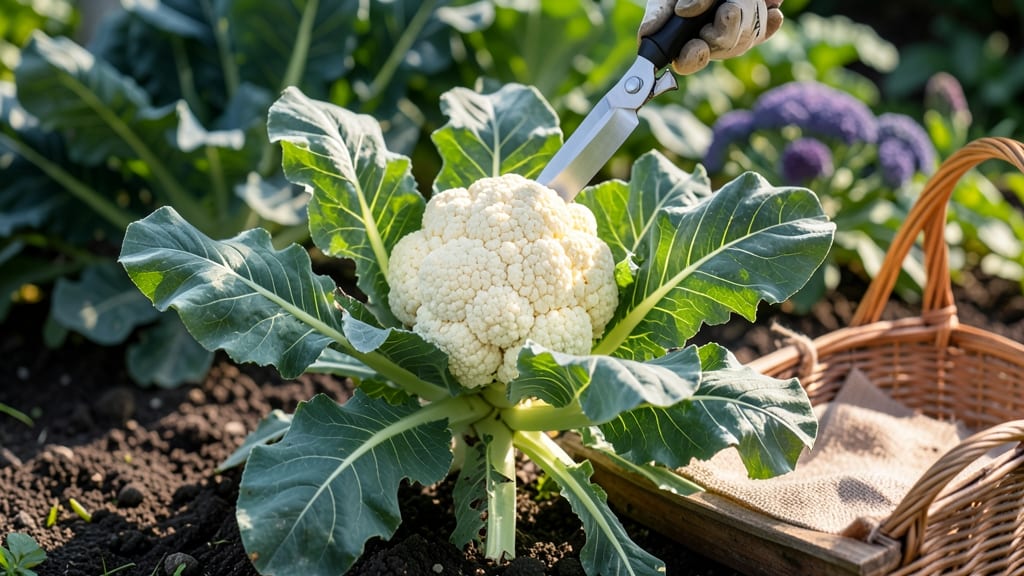
Harvesting cauliflower at the right moment means snagging tender, compact heads that taste sweeter than anything from the store.
Cauliflower lovers know the frustration of waiting for that perfect harvest—only to find your curds loose or overgrown. Timing is everything, and knowing exactly when to harvest ensures tender, flavorful heads every time.
Look for firm, white curds around 6-8 inches wide—the moment they start loosening or turning yellow, they’ve passed their prime. Miss this window, and you’re left with bitter, woody stalks instead of the creamy goodness you planted for.
Inside, I’ll walk you through the exact steps to cut without damaging the plant, how to spot overripe heads before they ruin your dinner, and even how to coax a second harvest from the same plant. No more guessing—just perfect 🥬 every time.


When to harvest cauliflower: signs your curds are perfectly ready
Harvesting cauliflower at the right moment transforms your garden into a treasure trove of tender, flavorful curds. But timing is tricky—wait too long, and your heads turn loose and bitter; harvest too early, and you miss out on full flavor.
The key lies in understanding three critical signs: head size, curd tightness, and leaf condition. Master these cues, and you'll enjoy perfect cauliflower every time.
Most varieties reach harvest readiness between 70-100 days after planting, but visual clues matter more than days alone. For example, my Snowball Y Improved plants always hit peak harvest when their heads measure 6-8 inches across.
Smaller heads mean underdeveloped flavor, while larger ones risk becoming tough and stringy. Paying attention to these details ensures you never miss the window.
| Harvest Indicator | Ready Signs | Not Ready Signs | Action |
|---|---|---|---|
| Head Size | 6-8 inches in diameter | Smaller than 6 inches | Wait 3-5 days |
| Curd Tightness | Firm, compact curds | Loose or spreading | Wait 1-2 more days |
| Color | Creamy white (or variety-specific) | Pale green or yellowing | Harvest immediately |
| Leaf Condition | Yellowing outer leaves | Bright green, healthy leaves | Check curd tightness |
| Bud Development | No visible buds opening | Small buds forming | Harvest now |
The curd tightness is your best friend when deciding harvest time. Press your fingers gently into the curds—if they feel firm and resist slight pressure, they're ready. Loose curds mean the plant has overmatured, and the flavor suffers.
I once missed this cue with my Purple of Sicily variety and ended up with heads that were too open and bitter. A quick check with your fingertips saves you from this disappointment.
Color plays a crucial role too, especially for heirloom varieties. Traditional white cauliflower should be a creamy white, while purple varieties like Graffiti develop deep violet hues. If you see green tinges or yellowing, it's a sign the head is either not ready or past its prime.
My Romanesco plants always turn a stunning pale green when perfect—never let them go past that point.
Don't ignore the leaf condition either. As your cauliflower nears harvest, the outer leaves begin to yellow and die back. This natural process signals the plant is redirecting energy to the head. However, if the leaves stay vibrant and green, your curds likely need more time to develop.
I learned this lesson the hard way with my first batch of Chef's Choice—the leaves stayed perky, and the heads remained small and loose.
One common mistake is harvesting based on plant age alone. While most cauliflower varieties mature in 70-100 days, environmental factors like temperature and sunlight can shift this timeline. Cooler weather slows growth, while warm conditions speed it up.
Always prioritize visual cues over calendar dates. My Snowball plants in Zone 5 often take 10-14 extra days to reach harvest compared to my friend's plants in Zone 8.
If you notice small buds forming within the curds, it's a clear signal to harvest immediately. These buds indicate the plant is shifting into flowering mode, which makes the curds tough and bitter.
I once let my Romanesco heads sit too long, and the buds opened—turning what should have been a crisp, nutty treat into a chewy disappointment. Always check for these tiny florets before deciding it's time to pick.
For purple or orange varieties, the color shift is even more dramatic. These types develop their signature hues just before harvest. If you're growing Graffiti or Orange Duke, watch for the deepening color as a final cue.
My Graffiti plants always turn a rich purple just before they're ready—missing this visual clue would mean sacrificing that stunning color in your dishes.
Finally, remember that harvesting at the right time extends your plant's productivity. After cutting the main head, many varieties produce side shoots that can yield smaller but still delicious curds.
This second harvest works best when you've caught the main head at its peak. I've had success with this technique using Snowball Y Improved
Step-by-step guide to harvesting cauliflower for maximum yield
Harvesting cauliflower at the right time transforms your garden into a treasure trove of tender, flavorful curds. The key lies in precision—cutting too early means loose heads, while waiting too long turns them bitter and tough.
I’ve learned that timing, tools, and techniques make all the difference, especially when dealing with varieties like Romanesco or purple cauliflower.
Before you grab your shears, gather the essentials: a sharp knife or pruning shears, a bowl for storage, and a damp cloth to keep your curds fresh. The goal is to remove the head cleanly without damaging the plant’s ability to produce side shoots.
For maximum yield, you’ll also want to understand how to handle regrowth and store your harvest properly to maintain freshness.
Step-by-Step Harvesting Guide
-
Step 1: Check for Readiness
Look for 6-8 inch heads that are firm and compact. The curds should be creamy white (or your variety’s color) with no visible buds. If the outer leaves start yellowing, it’s time to act! -
Step 2: Gather Your Tools
Use a sharp knife or pruning shears to avoid crushing the head. A bowl of ice water will keep your harvest crisp while you work. -
Step 3: Cut the Head
Hold the plant firmly and cut the head 1-2 inches below the curds. Leave the outer leaves intact to protect the plant and encourage side shoots. -
Step 4: Store Immediately
Place harvested heads in a plastic bag with a damp paper towel. Store in the crisper drawer of your fridge for up to 5-7 days to preserve freshness. -
Step 5: Monitor for Regrowth
After harvesting, keep the plant well-watered and fertilized. Side shoots may appear in 2-4 weeks, ready for another harvest!
For Romanesco or purple varieties, the same rules apply, but watch for color changes—these types can turn bitter if left too long. I’ve found that harvesting early in the morning gives the best results, as the heads are cooler and firmer. This also reduces stress on the plant.
One common mistake I see is cutting too close to the stem, which can damage the plant’s ability to regrow. Always leave a 1-2 inch stub to avoid this.
If your cauliflower heads start to loosen or yellow, it’s a sign you’ve waited too long—act fast to salvage what you can!
Pro tip: If your plant produces side shoots, you can often get a second harvest. Just repeat the process, ensuring the new heads meet the same readiness criteria. With practice, you’ll master the art of harvesting cauliflower like a pro—every time! 🥬