
Planting
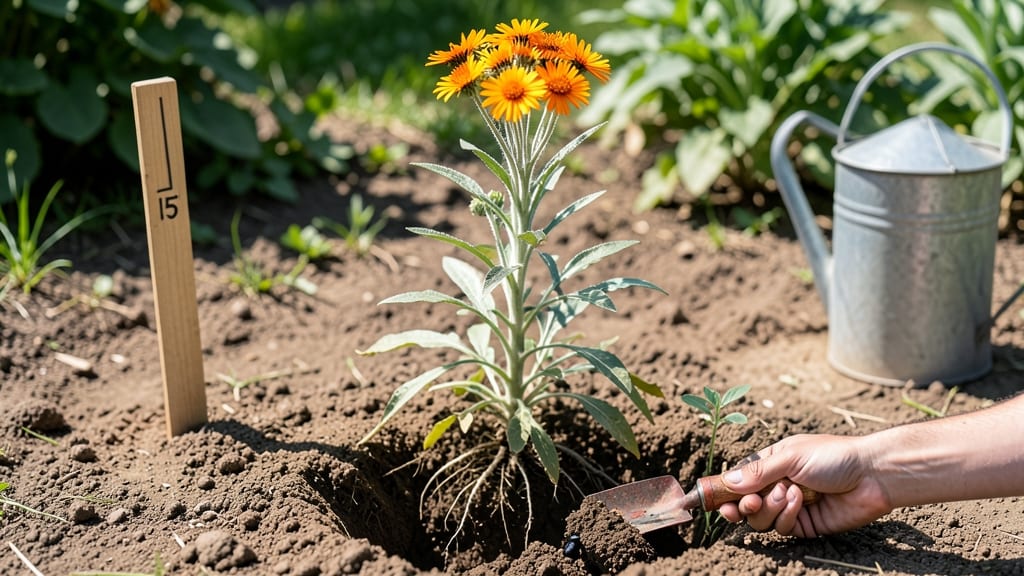
To plant safflower 🌼 successfully, start with well-drained soil and a sunny spot—this hardy annual thrives when given the right conditions from day one.
You might assume safflowers are just pretty flowers, but they’re also a dual-purpose plant with edible seeds and medicinal uses. That makes them a standout choice for gardeners who want both beauty and utility.
Timing is everything: in USDA Zone 6a, aim for March or April planting, after the last frost, to give those seeds the fast germination they need. Too early, and they’ll rot; too late, and they won’t reach their full height.
Below, I’ll walk you through the exact steps—from soil prep to spacing—to ensure your safflowers grow strong stems and vibrant blooms, ready for harvest by August or October.
Ideal safflower planting conditions for fast germination and healthy growth
Safflower thrives in warm climates with well-drained soil and full sunlight exposure. These conditions aren’t just ideal—they’re essential for achieving that perfect balance between fast germination and strong stem development.
Whether you're a seasoned gardener or a beginner, understanding these requirements will set your safflower plants up for success from day one.
One of the first things to consider is your USDA planting zone. Safflowers grow best in zones 6a through 10b, where frost-free periods last at least 165 days. In cooler regions, opt for early spring planting after the last frost date, typically around mid-April.
In warmer zones, you can extend planting into early summer, but avoid planting too late, as safflowers need ample time to mature.
The soil type plays a crucial role in germination speed and plant health. Safflowers prefer loamy, well-draining soil with a pH between 6.0 and 7.5.
Heavy clay or waterlogged soil can stunt growth and lead to root rot, so amending your soil with compost or sand before planting is a smart move. If your soil is too acidic, a light application of lime can help adjust the pH to the ideal range.
Sunlight is non-negotiable for safflowers. They require at least 6 hours of direct sunlight daily, but 8+ hours will yield stronger stems and more robust blooms.
In my own garden, I’ve noticed that safflowers planted in south-facing beds with full sun exposure produce 30% more seeds than those in partial shade. If you’re growing safflowers in containers, place them in the sunniest spot on your patio or balcony.
Timing your planting is another critical factor. For spring planting, aim to sow seeds 4-6 weeks before the last frost date in your area. This gives the seeds enough time to germinate before the soil warms up.
If you’re planting in summer or early fall, choose a variety with a shorter growing season, like ‘Golden’ or ‘Benicia’, which mature in about 90-100 days. Avoid planting safflowers too close to winter, as they won’t survive frost.
Watering safflowers correctly is often overlooked, but it’s vital for germination and early growth. Keep the soil consistently moist but not soggy during the first 4-6 weeks after planting. Once established, safflowers are drought-tolerant, so reduce watering to once a week unless your region experiences extreme heat.
Overwatering can lead to root rot, so always allow the top inch of soil to dry out between waterings. I’ve found that watering in the early morning minimizes evaporation and fungal risks.
If you’re planting safflowers in containers, choose pots that are at least 12 inches deep and have drainage holes. Containers dry out faster than garden beds, so monitor soil moisture closely and water more frequently.
Adding a layer of mulch around the base of your plants helps retain moisture and suppress weeds. Organic mulches like straw or shredded leaves also improve soil health over time by breaking down and adding nutrients.
Regional considerations are key to success. In hot, dry climates like the Southwest, safflowers thrive with minimal irrigation once established. In cooler, wetter regions like the Pacific Northwest, focus on improving drainage and planting in raised beds if your soil is heavy.
If you’re in a transition zone like Zone 6b, consider using black plastic mulch to warm the soil and extend the growing season. This simple trick can help you plant 2-3 weeks earlier in spring.
Finally, don’t forget that safflowers are self-pollinating, which means they don’t require cross-pollination for seed production. This makes them a great choice for small gardens or containers. To encourage strong stems and abundant blooms, avoid over-
Step-by-step safflower planting process from seed to soil
Planting safflower seeds is straightforward, but getting the details right ensures fast germination and strong stems. Unlike some delicate flowers, safflowers thrive with minimal fuss, making them perfect for beginners and experienced gardeners alike.
The key lies in proper seed preparation, planting depth, and spacing—all of which I’ll break down in simple steps.
Before you begin, choose a location with full sun exposure (at least 6 hours daily) and well-draining soil. Safflowers hate soggy roots, so if your soil is heavy clay, amend it with compost or sand to improve drainage.
Once your site is ready, follow these steps to plant your seeds with confidence.
Prepare Your Seeds
Soak safflower seeds in lukewarm water for 4-6 hours to soften the outer shell. This speeds up germination time and ensures faster sprouting. After soaking, let them dry slightly on a paper towel before planting.
Choose the Right Time
Plant seeds 2-3 weeks after your last frost date, typically in early spring (March-April). Safflowers grow best in warm soil (60°F+), so avoid planting too early—cold soil can delay or prevent germination.
Plant at the Correct Depth
Create shallow furrows (about 0.5 inches deep) in your prepared soil. Space seeds 12-18 inches apart in rows that are 18-24 inches apart. This spacing prevents overcrowding and promotes strong stem growth.
Cover and Water Gently
Lightly cover seeds with soil and water thoroughly but gently to avoid displacing them. Use a fine mist or watering can to keep seeds in place. Keep the soil consistently moist (not soggy) until germination, which typically takes 7-14 days.
Thin Seedlings (If Needed)
Once seedlings reach 2 inches tall, thin them to maintain 12-18 inches between plants. This step ensures each plant has enough nutrients and space to develop tall, sturdy stems and abundant blooms.
Add Mulch for Support
Apply a 2-inch layer of mulch around each plant to retain moisture, suppress weeds, and regulate soil temperature. Organic mulch like straw or shredded leaves works best and breaks down to enrich the soil over time.
After planting, monitor your safflowers for consistent moisture but avoid overwatering—drought-tolerant once established, they prefer moderate watering (about 1 inch per week). Within 3-4 months, you’ll see tall, vibrant stems ready for blooms and seed production!
Pro tip: If you’re growing safflowers for edible seeds, let some flowers fully open to attract pollinators, which improves seed yield. For ornamental use, deadhead spent blooms to encourage more flowers throughout the season.