
Flowers
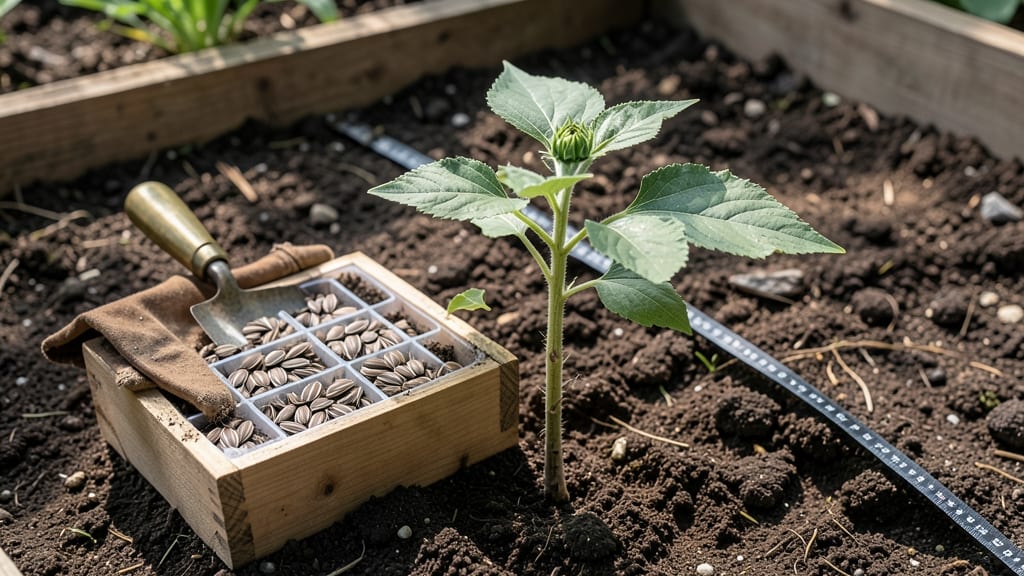
To plant sunflowers 🌻 for towering blooms, start by sowing seeds 1 inch deep in well-drained soil after your last frost—typically mid-April in zone 6a.
Sunflowers aren’t just beautiful—they’re easy to grow, drought-resistant, and can reach towering heights of 12 feet or more. But if you’ve ever planted them only to watch them flop over or fail to bloom, you’re missing the science behind proper spacing and depth.
This guide breaks down the exact depth and spacing tricks that keep stems sturdy and blooms abundant, whether you’re growing dwarf varieties or giants. We’ll cover soil prep, sunlight needs, and the 3 biggest mistakes that sabotage growth.
By the end, you’ll know how to plant sunflowers for maximum height, prevent lodging, and enjoy vibrant blooms from July through September—no green thumb required.
The perfect sunflower planting depth and spacing guide
Sunflowers thrive when planted with precision—too shallow, and their roots won't anchor properly; too crowded, and they'll compete for nutrients, leading to lodging (those dreaded floppy stems). The secret lies in 1-2 inches of soil depth and variety-specific spacing to ensure strong stems and vibrant blooms.
Whether you're growing dwarf varieties for containers or giant sunflowers as statement plants, these science-backed techniques will maximize your harvest and minimize flopping.
Start with well-draining soil enriched with compost. Sunflowers hate soggy roots, so amend heavy clay with sand or organic matter. The key to depth is planting seeds just 1 inch below soil level—any deeper, and they may rot; any shallower, and they won’t germinate.
Use your finger to create small holes, drop in 2-3 seeds per spot (they germinate quickly), and cover lightly with soil. A gentle pat with your hand ensures good seed-to-soil contact without compacting the earth too much.
Spacing is where most gardeners go wrong. Dwarf sunflowers (2-4 feet tall) need 12 inches apart in rows spaced 18 inches apart, while standard varieties (6-10 feet) require 18-24 inches apart in rows 3 feet apart.
Giant sunflowers (10+ feet) demand even more room—30 inches apart in rows 4 feet apart. This spacing prevents overcrowding, which stresses plants and invites diseases like powdery mildew.
Here’s the science behind spacing: Sunflowers need unobstructed sunlight for at least 6-8 hours daily. Crowding blocks light, weakening stems and reducing flower size. Place rows north-south to maximize sunlight exposure, especially in USDA Zones 3-9.
In cooler zones, plant after the last frost (typically April 15), while warmer zones can start as early as March.
| Variety Type | Planting Depth | Spacing (inches) | Row Spacing (feet) | Sunlight Needs |
|---|---|---|---|---|
| Dwarf (e.g., 'Teddy Bear') | 1 inch | 12 inches | 1.5 feet | 6+ hours |
| Semi-Dwarf (e.g., 'ProCut') | 1-2 inches | 18 inches | 2 feet | 8+ hours |
| Standard (e.g., 'Mammoth') | 1-2 inches | 24 inches | 3 feet | 8+ hours |
| Giant (e.g., 'Russian Giant') | 1-2 inches | 30 inches | 4 feet | 10+ hours |
After planting, water deeply to settle the soil and encourage root growth. Avoid overhead watering, which can spread fungal spores. Instead, use a soaker hose or water at the base of the plant.
Mulch with straw or wood chips to retain moisture and suppress weeds, which compete for nutrients. This is especially critical during summer months when evaporation rates soar.
Watch for lodging signs—stems leaning or snapping—as plants reach maturity. To prevent this, plant taller varieties in well-draining soil and stake them early if needed. Use soft ties (like old T-shirts) to support stems without damaging them.
Lodging often occurs when plants are overcrowded or nutrient-deficient, so follow the spacing guidelines religiously.
For container growers, choose dwarf varieties and plant one seed per 5-gallon pot. Use a lightweight potting mix to prevent root-bound stress. Place containers in full sun and rotate them weekly to ensure even growth.
Container sunflowers may not reach their full height, but they’ll still produce stunning blooms with proper care.
Timing matters too. Plant seeds when soil temperatures reach 55°F or warmer. In cooler climates, start seeds indoors 4-6 weeks before the last frost and transplant seedlings outdoors after hardening them off. Hardening off means gradually exposing seedlings to outdoor conditions over 7-10 days to reduce transplant shock.
Remember, sunflowers are self-pollinating, so spacing doesn’t affect seed production—but it does impact stem strength and bloom size. By following these depth and spacing rules, you’ll grow sunflowers that stand tall, resist lodging, and reward you with vibrant, long-lasting blooms from July through September. 🌻
Sunflower variety-specific planting tips for biggest blooms
Not all sunflowers are created equal! Choosing the right variety and planting it correctly can mean the difference between floppy stems and towering blooms that reach 12 feet or more. Whether you want edible seeds, disease-resistant plants, or compact varieties for small spaces, each type has unique needs.
Let’s break down the best planting strategies for popular sunflower varieties like Mammoth, Teddy Bear, and ProCut.
Proper spacing and depth are critical—planting too close can lead to lodging (flopping stems), while incorrect depth may stunt growth. For example, giant varieties like Mammoth need 18-24 inches of space, while dwarf types like Teddy Bear thrive with just 12 inches.
Pairing the right variety with the right companion plants can also boost growth and deter pests.
| Variety | Height | Spacing | Planting Depth | Best For | Companion Plants |
|---|---|---|---|---|---|
| Mammoth | 10-16 ft | 18-24" | 1-2" | Edible seeds, tall blooms | Basil, beans, radishes |
| Teddy Bear | 2-4 ft | 12" | 1" | Small spaces, cut flowers | Marigolds, lettuce |
| ProCut | 5-8 ft | 14-18" | 1-2" | Long vase life, commercial cuts | Zinnias, cosmos |
| Autumn Beauty | 8-12 ft | 18" | 1-2" | Color-changing blooms | Nasturtiums, borage |
For Mammoth sunflowers, focus on deep planting (1-2 inches) and sturdy soil to prevent flopping. These giants love full sun and well-draining soil, so amend clay soil with compost to improve drainage.
Plant them in rows with 18-24 inches between plants to give their massive stems room to grow without competing for nutrients.
If you’re growing Teddy Bear sunflowers for their compact size, space them 12 inches apart in well-composted soil. These varieties are perfect for container gardening or small gardens, and they pair beautifully with marigolds to deter pests like aphids.
Plant them 1 inch deep and keep soil consistently moist until they establish roots.
For ProCut sunflowers, prioritize disease resistance by choosing healthy seeds and rotating crops if you planted sunflowers in the same spot last year. These varieties thrive with 14-18 inches of spacing and deep watering (1-2 inches per week).
Plant them alongside zinnias or cosmos to attract pollinators and boost bloom production.
No matter which variety you choose, companion planting is your secret weapon. Pair sunflowers with basil to improve flavor and growth, or plant radishes nearby to deter pests. Avoid planting sunflowers near potatoes, as they compete for nutrients.
With the right variety and care, your sunflowers will reward you with vibrant blooms and bountiful seeds!