
Flowers
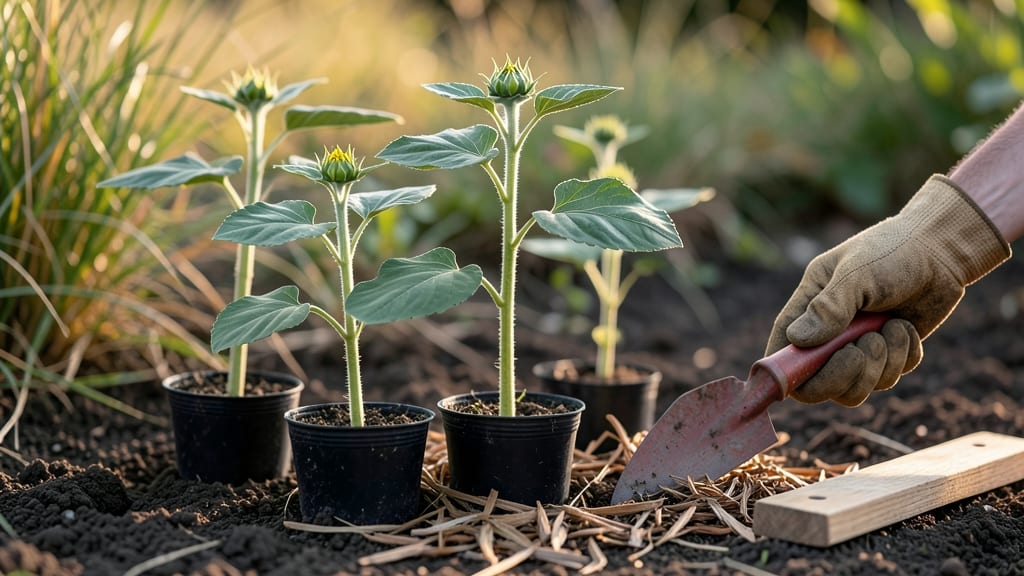
Planting sunflowers in Florida lets you enjoy their towering 🌻 blooms year-round, but the best months depend on your zone and heat tolerance.
Sunflowers aren’t just beautiful—they’re Florida’s secret weapon for instant summer joy, but timing is everything to avoid wilting before they bloom. Plant too early, and frost lurks in North Florida; too late, and the heat zaps their energy. Here’s the exact science-backed schedule for Florida’s three distinct growing zones.
Most Floridians can plant sunflowers from January through November, but the sweet spot for vibrant blooms is early spring (February–March) or late summer (August–September). Warmer zones like Miami (Zone 10–11) can grow them year-round, while North Florida (Zone 8b–9a) should wait until after the rare frosts in January.
Below, I’ll break down the ideal planting windows by zone, soil prep tips to boost germination, and how to choose heat-resistant varieties for Florida’s intense summers.
Florida sunflower planting calendar by zone: exact months for peak blooms
Florida’s climate lets you grow sunflowers almost year-round, but timing makes all the difference. The state’s three zones—North, Central, and South—have distinct frost-free windows and heat thresholds. Plant too early in North Florida, and you risk light frosts (yes, they happen!).
Plant too late in peak summer, and the 90°F+ heat stunts growth. Here’s the exact schedule for peak blooms in each zone.
Most Florida gardeners focus on two planting cycles: spring (for summer blooms) and fall (for winter/early spring flowers). South Florida’s Zone 10-11 can plant year-round, while North Florida’s Zone 8b must time carefully to avoid January frosts.
Choose heat-tolerant varieties like ‘Moulin Rouge’ for summer plantings or ‘Autumn Beauty’ for cooler fall seasons.
🌱 Key Rule: Soil should be at least 55°F for germination. Use a soil thermometer to check—especially in spring or fall. In summer, shade young plants to prevent heat stress until they’re 12 inches tall.
For North Florida, aim to plant by March 31 for summer blooms. If you miss that window, your second chance is August 1–September 30 for fall plantings. Varieties like ‘Autumn Beauty’ handle cooler temps better, while ‘Teddy Bear’ is perfect for containers if space is limited.
Mulch heavily in winter to protect roots from chilly nights.
Central Florida gardeners have the most flexibility, with two clear windows: January–March for summer flowers and August–October for winter blooms. The ‘Moulin Rouge’ variety is a top pick here—its deep red blooms thrive in heat and attract pollinators like bees and butterflies.
If you plant in June or July, provide afternoon shade until seedlings are established.
South Florida’s tropical climate lets you plant sunflowers almost anytime, but timing still matters. For the most vibrant blooms, focus on October–December (for spring flowers) or February–April (for summer blooms).
Avoid planting tall varieties like ‘Russian Giant’ in peak summer—opt for ‘Lemon Queen’ instead, which handles humidity better and blooms faster.
Pro tip: Use black plastic mulch in summer to warm soil faster and reduce water evaporation. In fall, switch to straw mulch to insulate roots. Both tricks help sunflowers establish roots quickly, so they’re ready to bolt to bloom in 60–90 days.
Remember, sunflowers are fast growers—some varieties like ‘ProCut’ mature in just 45 days! But if you’re growing ‘Russian Giant’, give it 120 days to reach its full 14-foot height.
Start seeds indoors 4–6 weeks before your zone’s last frost date (or anytime in South Florida) for a head start.
🌻 Final Tip: Mark your calendar for July 15—this is the unofficial “last call” for summer plantings in most of Florida. After that, the heat and humidity make germination tricky. If you miss it, wait until August 15 for fall’s second chance.
5 Critical factors that determine your sunflower’s planting success in Florida
Florida’s sunflowers need more than just the right month—they thrive when you align planting with soil temperature, humidity patterns, and sunlight intensity. Unlike northern states, Florida’s subtropical climate means year-round planting is possible, but these 5 factors separate success from struggle.
Let’s break down the science so your sunflowers grow tall and proud, not leggy and weak.
First, soil temperature is your secret weapon. Sunflower seeds won’t germinate until the soil reaches 60°F or warmer. In North Florida, this typically means waiting until mid-March, while South Florida gardeners can start as early as January.
Use a soil thermometer to check—cold soil delays germination by weeks, leaving your plants vulnerable to damping-off disease.
🌱
- Soil Temperature: Wait until soil hits 60°F+ (use a thermometer!). North FL: March; South FL: January.
- Humidity Management: High humidity (80%+) increases fungal risks. Space plants 12–24" apart for airflow.
- Sunlight Requirements: 6+ hours of direct sun daily. South-facing beds or raised beds work best.
- Rainfall Timing: Florida’s summer downpours can drown seeds. Plant in well-draining soil or use raised beds.
- Disease Prevention: Avoid overhead watering. Use drip irrigation or soaker hoses to keep foliage dry.
Next, humidity management is non-negotiable. Florida’s average humidity hovers around 80%+, creating the perfect storm for powdery mildew and stem rot. The fix? Spacing. Plant sunflowers 12–24 inches apart (depending on variety) to improve airflow.
Tall varieties like ‘Russian Giant’ need extra room—2 feet between plants—to prevent crowded, disease-prone stems.
Don’t overlook sunlight requirements. While Florida’s long days provide plenty of light, 6+ hours of direct sun is non-negotiable for sunflowers. If your yard has afternoon shade, opt for dwarf varieties like ‘Teddy Bear’ or plant in raised beds where soil warms faster.
A south-facing bed gets the most consistent sunlight, but even east- or west-facing spots work if they avoid deep shade.
Florida’s unpredictable summer rains can sink sunflower seedlings faster than you can say “damping-off.” Unlike northern climates, where steady rain is ideal, Florida’s intense downpours can waterlog seeds before they sprout. To outsmart this, plant in well-draining soil or use raised beds.
Add a 2-inch layer of mulch (straw or pine bark) to keep moisture even and prevent soil crusting, which suffocates young roots.
Finally, disease prevention starts at planting. Overhead watering is a recipe for disaster in Florida’s humidity. Swap your hose for drip irrigation or soaker hoses to deliver water at the soil level. This keeps foliage dry and reduces fungal spores.
If you spot yellowing leaves or white powder on stems, act fast: remove affected plants and spray with a neem oil solution (1 tsp per quart of water) to stop the spread.
With these 5 factors in check, your sunflowers will shoot up 3–4 feet in just 2 weeks, reaching their full height with minimal fuss. Now’s the time to grab those seeds—Florida’s growing season is long, and your sunflowers are waiting for their chance to shine! ☀️