
Watering
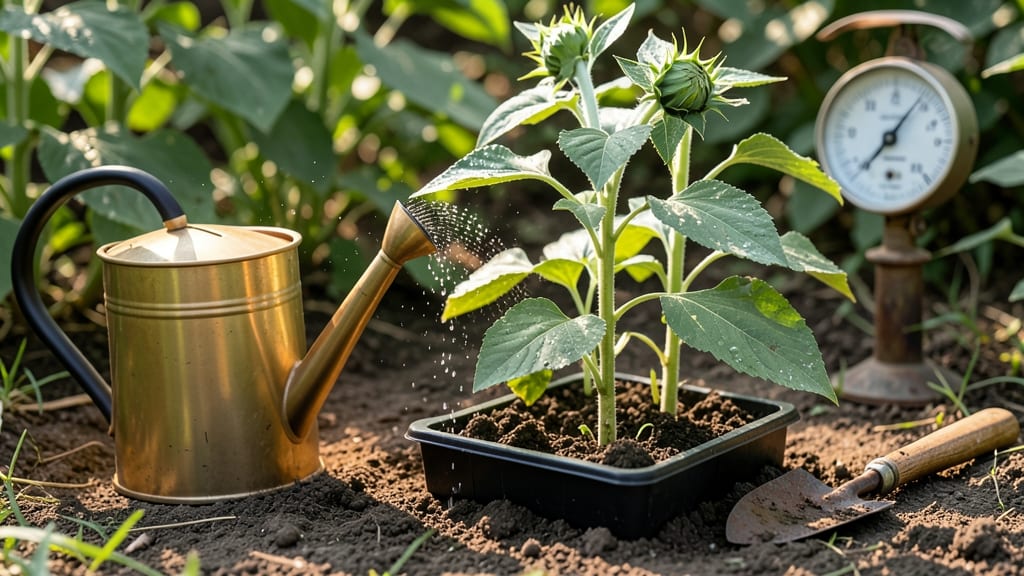
Watering sunflower seedlings too often or too little can stunt their growth before they even reach 3 feet tall—but the right schedule keeps them thriving from seed to towering 🌻.
Sunflower seedlings need consistent moisture to grow into towering giants—but overwatering can drown them before they even sprout. The key? A simple soil-moisture check that balances hydration without risking root rot.
In USDA Zone 6a, where spring planting kicks off in April, seedlings need water every 2-3 days—but that changes as they mature. Too much water suffocates roots, while too little stunts growth, so timing matters.
Below, I’ll break down the exact watering rhythm for each stage of growth, how to test soil moisture without a meter, and adjustments for hot or rainy weather to keep your sunflowers on track.
The perfect watering schedule for sunflower seedlings by growth stage
Sunflower seedlings are delicate but resilient, and their watering needs change dramatically as they grow. During the germination stage, keeping soil consistently moist is critical—too little water and seeds won’t sprout, while too much can cause rot.
As seedlings develop 2-4 leaves, they need slightly less frequent watering but still require deep hydration to encourage strong root systems. By the time they reach the flowering stage, their water needs adjust again to support rapid growth and blooming.
Your local climate plays a huge role in this balance. In arid regions, sunflowers need more frequent watering to compensate for rapid evaporation, while humid climates may require less to avoid fungal diseases.
The key is monitoring soil moisture at the right depth—never just guessing. Let’s break down the ideal watering schedule for each growth phase, so your sunflowers thrive from seed to towering bloom.
🌱
During the germination stage, your top priority is maintaining a consistently moist soil environment. Seeds need to stay hydrated to break dormancy and sprout, but avoid soaking the soil—this can suffocate seeds before they even emerge.
I recommend using a spray bottle or gentle watering can to keep the top 1 inch of soil damp. If you’re in a hot, dry climate, consider covering the seed tray with plastic wrap (remove it once sprouts appear) to retain moisture without overwatering.
Once your seedlings develop their first true leaves (typically around 7-14 days), you can ease up slightly on watering frequency. At this stage, aim to water every 2-3 days, but always check the soil before watering.
Stick your finger 2 inches deep—if it feels dry, it’s time to water. In humid climates, you might only need to water every 3-4 days, as excess moisture can lead to damping off, a fungal disease that attacks young seedlings.
As sunflowers enter the vegetative growth phase (around 14-30 days old), their roots deepen significantly, and watering needs shift to encourage this growth. Water every 3-5 days, ensuring the soil is moist down to 3 inches deep.
This is also the time to introduce mulch—a 2-inch layer of straw or wood chips will help retain moisture and suppress weeds. In arid regions, water deeply in the early morning to reduce evaporation, while in humid areas, reduce frequency by 20% to prevent fungal issues.
When your sunflowers reach the flowering stage (around 30-60 days), they’ll need less frequent but deeper watering to support their rapid growth. Water every 5-7 days, soaking the soil down to 4 inches deep. This encourages roots to grow deeper, making the plant more drought-resistant.
Avoid wetting the leaves or flower heads, as this can promote disease. In hot climates, consider using drip irrigation to deliver water directly to the roots without wasting it on evaporation.
For mature sunflowers (60+ days old), you can further reduce watering to every 7-10 days, focusing on deep soaks that reach 6 inches down. At this point, your plants are established and can handle slightly drier conditions.
However, if you notice the leaves wilting or the stem becoming soft, it’s a sign of underwatering or overwatering, respectively. Adjust your schedule based on your local climate—arid zones may need weekly deep watering, while humid areas might only require watering after heavy rain.
💧
Pro tip: Always water in the early morning (between 6-9 AM) to allow excess moisture to evaporate during the day, reducing the risk of fungal diseases. If you must water in the evening, avoid getting water on the leaves to prevent prolonged dampness.
And remember, consistency is key—sunflowers hate fluctuations in soil moisture, so stick to your schedule once you’ve found what works for your climate and growth stage.
By following this stage-specific watering guide, your sunflower seedlings will develop into healthy, robust plants with strong
How to perform the soil-moisture check (without a moisture meter)
Checking soil moisture for sunflower seedlings doesn’t require fancy tools—just your hands and eyes. The finger probe method is my go-to because it gives real-time feedback about root zone hydration.
Start by gently inserting your index finger 1-2 inches deep into the soil near the plant’s base. This depth mirrors where most seedling roots actively absorb water.
If the soil feels light and crumbly, your seedlings are thirsty and need watering. Think of it like squeezing a damp sponge—if it easily falls apart, it’s dry.
For young sunflowers, this usually means watering every 2-3 days, but always confirm with your finger before reaching for the hose. Overwatering is just as damaging as underwatering.
🌱
⚠️ Warning: Overwatering Red Flags
- Yellowing leaves on seedlings signal root suffocation from soggy soil.
- Mold or fungus on soil surface means excess moisture and poor drainage.
- Seedlings leaning or falling over? Roots lack oxygen from over-saturated soil.
Sunflowers hate "wet feet." Let the top 1 inch of soil dry between waterings to prevent rot.
Another quick check is the visual soil-crack test. Healthy, well-watered soil holds its structure but won’t be muddy. If the surface develops wide cracks (like dried clay), it’s a clear sign your seedlings need deep watering.
For container-grown sunflowers, lift the pot—if it feels light as a feather, the roots are begging for hydration.
For weight assessment, compare your pot or garden bed to a similar one you know is moist. A properly hydrated container should feel solid and heavy, while a dry one feels hollow.
This method works best for container sunflowers where you can easily monitor weight changes. Pro tip: Use a spray bottle for top-ups between deep waterings to maintain even moisture.
Adjust your watering based on weather and soil type. Sandy soil drains faster, so you may need to water daily in hot climates, while clay soil holds moisture longer and might only need watering every 4-5 days.
Always water in the morning to let foliage dry before evening—this prevents fungal diseases like powdery mildew, which loves damp leaves.
Remember, sunflower seedlings thrive on consistency. A quick soil check every 2-3 days keeps your young plants happy without the guesswork.
Once they reach 4-6 inches tall, you can gradually reduce frequency to every 5-7 days, but never skip the finger test—especially during heatwaves or after heavy rains. 💧