
Shrubs
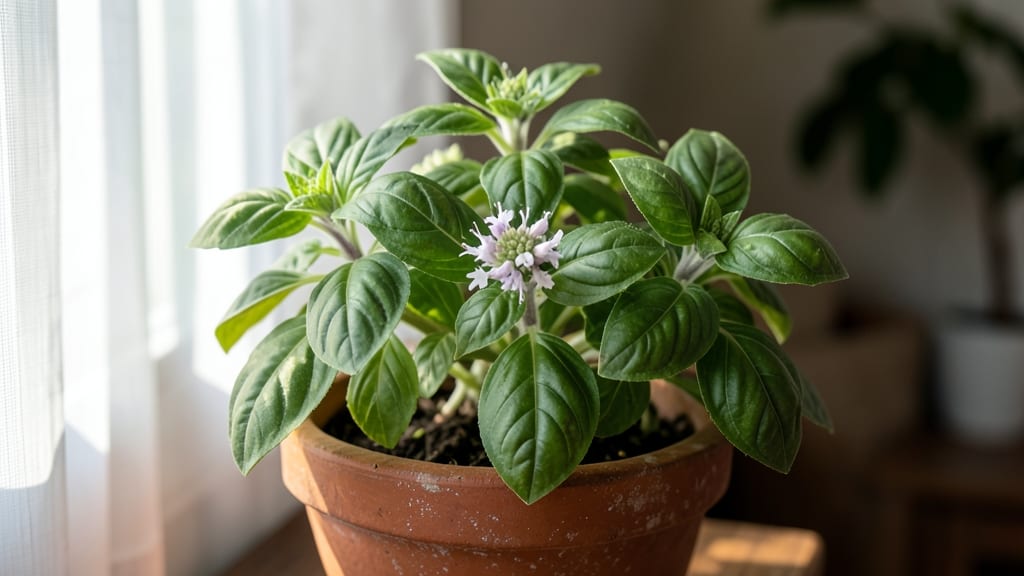
Telling if your basil 🌿 is flowering means spotting those tiny white or purple buds before they steal its sweet flavor and stunted growth.
You’re not alone if you’ve ever reached for your basil plant, only to find it’s already sent up flowers—turning what should be a flavor-packed harvest into a bitter disappointment. The good news?
Recognizing the early signs gives you time to act, and I’ll show you exactly what to look for and how to prune them back before it’s too late.
Flowering usually happens when basil senses it’s getting older or stressed, whether from heat, overcrowding, or too little light. Those little blooms might look harmless, but they signal the plant to shift its energy from leaves to seeds, leaving you with tougher, less aromatic foliage.
The key is catching them early—before the stems elongate and the leaves start to yellow.
In this guide, I’ll walk you through the visual cues, the best pruning techniques to revive your plant, and how to keep your basil producing flavorful leaves all season long. No more wasted harvests—just lush, tasty basil ready for your next pasta dish.
Visual signs your basil plant is flowering (and why it matters)
When your basil plant starts flowering, it’s not just a pretty sight—it’s a flavor and yield warning. Those delicate white, purple, or yellow flowers signal your plant is shifting energy from leaf production to seed creation.
If ignored, your sweet basil can become bitter and woody, ruining your harvest. The key is catching these signs early, before the plant dedicates too much energy to blooms.
Flowering basil often shows three telltale signs: elongated stems, smaller leaves, and tiny buds forming at the leaf nodes. These changes happen gradually, so regular weekly inspections are your best defense.
The earlier you spot them, the easier it is to prune and restore your plant’s leafy growth. Don’t wait until the flowers open—by then, it’s often too late to save the flavor.
Here’s what to watch for: white flowers are the most common in sweet basil varieties, while purple or yellow blooms may appear in Thai or lemon basil. Each type follows a similar progression, but the speed of change varies.
For example, Thai basil can bolt (flower rapidly) in as little as 2 weeks under stress, while Genovese basil may take 3-4 weeks to show full symptoms.
🌱
| Sign | Early-Stage Flowering | Late-Stage Flowering | Impact on Plant |
|---|---|---|---|
| Flower Color | Tiny green buds at leaf nodes | White, purple, or yellow open blooms | Early buds are reversible; open flowers mean flavor loss. |
| Stem Growth | Stems elongate 1-2 inches faster | Stems become woody and stiff | Elongation is a stress response; woodiness reduces leaf quality. |
| Leaf Size | Leaves shrink by 20-30% | Leaves turn thin and sparse | Smaller leaves = less harvestable foliage. |
| Leaf Texture | Leaves feel softer but less fragrant | Leaves taste bitter or dull | Flavor compounds shift from sweet to bitter. |
| Growth Focus | Plant prioritizes flower buds | Plant focuses on seed production | Leaf growth stops completely in late stages. |
The leaf changes are often the first clue that something’s off. Your basil’s dark green leaves will start looking pale or yellowish as nutrients shift toward the flowers. This is your plant’s way of saying, “I’m stressed—help me focus on leaves again!”
Common triggers include heat stress, overcrowding, or nutrient deficiencies. For example, if your basil is in a small container, it may bolt faster due to root competition.
Another red flag is the stem elongation. Healthy basil grows bushy with compact stems, but flowering basil sends up tall, sparse stems reaching for sunlight. This isn’t just a cosmetic issue—it’s a growth priority shift.
The plant is allocating energy to reproductive growth instead of leaf production. If you notice stems stretching more than 3 inches beyond the usual height, it’s time to act.
🌿
Flowering also dramatically reduces your basil’s flavor intensity. The essential oils that give basil its signature taste—like eugenol and linalool—dwindle as the plant focuses on seeds. What was once a sweet, aromatic herb can turn bitter and medicinal within days.
This is why chefs and gardeners alike prune flowers immediately—to preserve the flavor you’re growing for.
If you’re growing basil for cooking, the stakes are even higher. A single flowering stem can ruin an entire harvest if left unchecked. For instance, a Genovese basil plant that bolts may produce only 20% of its original flavor within a week.
That’s why I always check my plants twice a week during peak growing months (June–August) and prune aggressively at the first sign of buds.
💡
Don’t assume all basil flowers look the same. Thai basil, for example, has purple flowers and a stronger tendency to bolt, while lemon basil may produce tiny yellow blooms. Even within sweet basil varieties, Genovese and Cinnamon basil flower differently.
Genovese tends to bolt later but more aggressively, while Cinnamon basil may show smaller, clustered flowers. Knowing your variety helps you predict and prevent flowering.
Step-by-step guide to pruning flowering basil (save your harvest)
Once you spot those tiny white or purple flowers on your basil, time is critical. Pruning them back immediately prevents the plant from shifting energy toward seed production, which dulls flavor and reduces leaf growth.
The key is to act fast—within 24-48 hours of noticing flowers—to preserve your plant’s productivity and restore that sweet, aromatic taste.
You’ll need just a few tools: clean, sharp pruning shears (or your fingers for pinching), a small container of water, and a balanced fertilizer (like 10-10-10). Avoid dull tools—they crush stems and invite disease. Work in the morning hours when the plant is hydrated and ready for recovery.
How to Prune Flowering Basil (Step-by-Step)
- 1
- 2
- 3
- 4
- 5
Timing matters more than you think. Prune in the early morning when the plant’s turgor pressure is highest—this minimizes stress. Avoid pruning after 10 AM in hot climates, as the sun can dry out freshly cut stems faster than basil can recover.
If your basil is already woody or leggy, pruning may not fully restore it. In this case, take 3-4 inch cuttings from healthy stems, root them in water, and propagate new plants. This ensures you’ll have a fresh batch of flavorful basil in just 2-3 weeks.
Remember: Consistent pruning keeps your basil bushy and productive. Set a reminder to check your plants weekly during peak growing months. A little effort now means months of sweet, aromatic leaves for your kitchen.