
Flowers
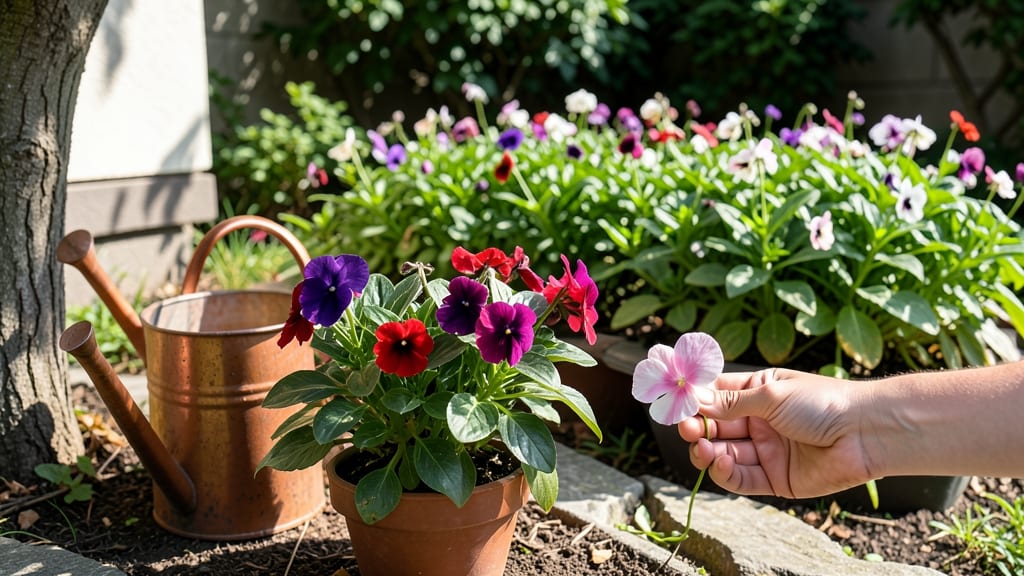
Impatiens flowers prefer shade over sun, but their light needs are often misunderstood 🌸 — and getting it wrong can mean the difference between a lush, blooming plant and a sad, leggy shadow.
Picture this: You’ve sunk time and care into planting your impatiens, only to watch them stretch toward the light or fade into nothing. The truth? These vibrant annuals thrive in partial shade, but they can handle some sun—if you know the rules.
In this guide, I’ll break down exactly where to place them for the most stunning blooms, whether you’re working with a shady corner or a dappled garden spot.
Most gardeners assume impatiens are all about shade, but the reality is more nuanced. Too much sun can scorch their delicate leaves, while too little light means fewer blooms. The key is finding that sweet spot—bright, indirect light that keeps them happy without stressing them out.
I’ll also share my top tips for adjusting care based on your garden’s light conditions, so you can keep those colorful blooms coming all season.
Ready to transform your garden into a nonstop impatiens paradise? Let’s dive into the best ways to nurture these shade-loving stars, from soil prep to watering hacks that make all the difference.
You’ll learn how to troubleshoot common issues and pick the perfect varieties for your light situation—so your impatiens stay as vibrant as the day you planted them.
 Best Window Placement
The truth about impatiens in sun vs shade: ideal light conditions explained
If you've ever wondered why your impatiens flowers look sad and sparse, the answer might be hiding in plain sight—your light conditions. Many gardeners assume these vibrant annuals thrive in full shade, but the truth is more nuanced.
While impatiens love shade, they also need the right balance of bright indirect light to produce lush blooms. Let's debunk the myths and uncover the ideal light conditions for these showstopping plants.
The classic impatiens (like Impatiens walleriana) are often labeled as shade-lovers, but they actually crave partial shade—meaning filtered sunlight or morning sun with afternoon shade. New Guinea impatiens, on the other hand, are slightly more tolerant of morning sunlight and can handle a few hours of direct sun, especially in cooler climates.
Understanding these differences is key to keeping your impatiens thriving.
Here’s the critical insight: too much direct sun causes leaf scorch and faded blooms, while too little light leads to leggy, sparse growth. The sweet spot is 4-6 hours of bright, indirect light daily—think dappled shade under trees or an east-facing garden bed.
This balance ensures vibrant flowers and healthy foliage all season long.
Regional variations also play a role. In hot, humid climates (like the Southeast U.S.), impatiens need afternoon shade protection to avoid wilting. Meanwhile, in cooler Pacific Northwest gardens, they can tolerate more morning sun.
Always observe your plants: if leaves yellow or flowers fade, they’re getting too much sun. If they stretch and look weak, they need more light.
Seasonal adjustments are equally important. In spring and fall, when sunlight is gentler, impatiens can handle a bit more direct light. But during peak summer heat, even partial shade may need to be adjusted to full shade in the afternoon.
A simple trick? Use a light meter app to track sunlight levels in your garden and adjust placement accordingly.
One common mistake is assuming all impatiens are created equal. New Guinea impatiens (like Impatiens hawkeri) are the exception—they can tolerate more sunlight and even thrive in bright indirect light for up to 6 hours daily.
Their larger leaves and thicker stems make them more resilient to morning sun exposure. If you’re growing these varieties, test their tolerance by gradually increasing sunlight over a few weeks.
For container gardeners, light conditions become even more critical. Impatiens in pots can overheat quickly in direct afternoon sun, so opt for terracotta containers (which breathe better) and place them on patio umbrellas or under porch awnings during peak heat.
A pro tip: rotate containers weekly to ensure even light exposure on all sides, preventing lopsided growth.
Seasonal transitions require extra attention. When moving impatiens from indoor starts to outdoor beds, acclimate them gradually over 7-10 days to avoid sunburn shock. Start with 2-3 hours of morning light and slowly increase exposure.
Conversely, if your impatiens are struggling in summer heat, provide temporary shade with lightweight shade cloth (30-50% coverage) until temperatures drop.
Don’t overlook the role of reflective surfaces in your garden. Light-colored walls, fences, or gravel can intensify sunlight, turning partial shade into harsh conditions for impatiens. If your garden has reflective elements, position impatiens where they receive filtered light or use lattice screens to diffuse the glare.
This simple adjustment can make all the difference in preventing leaf burn.
Remember, the goal is continuous blooms, not just survival. When impatiens get the right light, they reward you with nonstop color from spring to frost. Start by assessing your garden’s light map, then experiment with placement.
With the right balance, your impatiens will become the star of your shade garden—or even brighten up sun-drenched spots with the right varieties.
How to adapt impatiens care for different light conditions: tips for sun or shade gardens
Impatiens flowers may seem like low-maintenance plants, but their care changes dramatically based on whether they're planted in sun or shade. While they're famous for thriving in shady spots, some varieties can handle morning sun—if you adjust your approach.
The key lies in understanding how light affects their water needs, soil moisture, and even companion plants to prevent stress.
Most gardeners assume impatiens can't tolerate any sun, but New Guinea impatiens (a hybrid variety) actually perform well with 2-3 hours of morning sunlight.
The challenge isn't just about placing them correctly—it's about adapting your watering schedule, soil prep, and fertilizer routine to match their new light conditions. Get this wrong, and you'll end up with leggy stems, faded blooms, or even leaf burn—all signs your impatiens are struggling.
Sun-exposed impatiens need 50% more frequent watering than shade varieties. Their soil dries out faster, and roots can overheat if left too dry. Morning sun is safer than afternoon—it prevents leaf scorch while still giving them enough light to bloom. If your garden gets harsh afternoon sun, provide dappled shade with a sheer curtain or nearby trees.
✅ Do this: Test soil moisture daily in sunny spots. Stick your finger 1 inch deep—if dry, water immediately. In shade, wait until 2 inches deep feels dry.
For shade gardens, focus on rich, moist soil with organic matter. Amend your planting area with compost or peat moss to retain moisture, since impatiens in shade won't dry out as quickly.
A mulch layer (2-3 inches of shredded bark or leaves) helps regulate soil temperature and reduces evaporation. In shade, you'll also notice fewer pests like aphids, but watch for powdery mildew if humidity is high.
If your impatiens are in partial sun, choose well-draining soil to prevent root rot from overwatering. A mix of 50% potting soil and 50% perlite works well for containers.
For in-ground plants, raise beds slightly to improve drainage. Fertilize lightly in sunny spots—too much nitrogen leads to leafy growth at the expense of blooms. Use a balanced 10-10-10 fertilizer every 6 weeks, but cut back in late summer to encourage fall blooming.
Companion planting makes a difference too. In shade, pair impatiens with hostas or ferns to create a lush, layered look. In sun, plant them near coleus or begonias—these thrive in similar conditions and provide color contrast.
Avoid placing them next to succulents or lavender, which compete for water and prefer drier soil. Prune regularly to encourage bushier growth, pinching back leggy stems to promote more blooms and a fuller shape.
Troubleshooting is easier once you know the signs. Brown leaf edges in sun? You're overwatering. Pale, sparse blooms in shade? They need more light or fertilizer. Leggy stems mean they're stretching for light—move them to a brighter spot (but not direct sun) and prune back by one-third.
With these adjustments, your impatiens will reward you with nonstop color from spring through fall, no matter where you plant them.