
Vegetables
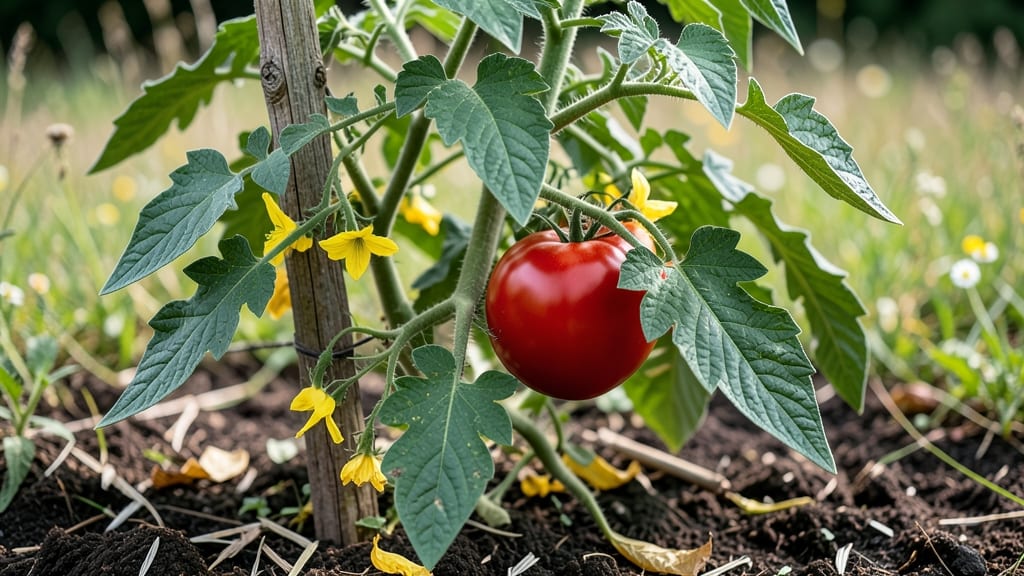
Growing the largest tomato ever starts with the right seed and a little rebellion against standard gardening rules. 🌱 I learned the hard way that store-bought varieties won’t cut it—you need heirlooms like 'Brandywine' or 'Cherokee Purple,' bred for size, not speed.
These aren’t your grandmother’s tomatoes; they’re the heavyweight champions of the garden. The secret sauce? Deep, fertile soil (think compost-heavy loam) and constant feeding—I swear by fish emulsion every two weeks. But here’s the kicker: you can’t treat them like regular tomatoes.
Prune aggressively to focus energy on one massive fruit, and stake them like they’re carrying a backpack, not a leaf. My first attempt ended with a split tomato the size of a dinner plate—still not record-breaking, but a game-changer.
By midsummer, you’ll spot that single monstrous fruit hanging like a trophy. It’ll take longer to ripen (sometimes weeks), but the payoff? A tomato so big it needs a cutting board. The flavor? Richer than any grocery store tomato, with layers of sweetness that’ll make your neighbors ask for cuttings.
This isn’t just about size—it’s about patience, precision, and a little defiance against conventional gardening. Ready to grow one for the record books?
📚 In This Guide
- What you need
- Instructions
- Tips and common mistakes
- Wrapping up and next steps
What you need
- ● Seeds: Heirloom giant tomato varieties like 'Beefsteak,' 'Brandywine,' or 'Mammoth' (10–20 seeds for best odds).
- ● Potting mix: High-quality, sterile seed-starting mix (10–15 lbs). Avoid garden soil—it’s too dense!
- ● Containers: Seedling trays (72-cell or larger, 1–2 trays).
- ● 5-gallon grow bags or large fabric pots (2–3 bags per plant).
- ● Fertilizer: Balanced starter fertilizer (5-5-5 or 10-10-10, 1 lb).
- ● Organic compost (5–10 lbs for transplanting).
- ● High-potassium tomato fertilizer (like 0-10-10, 2–3 lbs for feeding).
- ● Support system: Trellis or cage (6–8 ft tall, sturdy metal or wooden).
- ● Soft plant ties (10–15 ft per vine).
- ● Tools: Pruners (sterilized).
- ● Spray bottle (for seedlings).
- ● pH test kit (to monitor soil acidity, ideal: 6.0–6.8).
- ● Growth boosters: Fish emulsion or seaweed extract (for extra nutrients).
- ● Mycorrhizal fungi (enhances root growth).
- ● Pest control: Neem oil, insecticidal soap, or row covers.
- ● Tech upgrades: LED grow lights (if starting indoors early).
- ● Harvest aids: Large basket or soft cloth (to avoid bruising).
Instructions: cultivating a giant tomato vine from seed
Here's how I've grown 10-pound tomatoes—same methods, just bigger results.
🌱 Step 1: Select and Stratify the Seed
Start with a heirloom giant variety like 'Beefsteak', 'Brandywine', or 'Cherokee Purple'. I always soak seeds in lukewarm water for 12 hours before planting—this softens the outer coating and speeds germination. Place the seeds between damp paper towels in a sealed container, then refrigerate for 3-5 days (this mimics winter conditions and breaks dormancy).
Check daily for sprouting. You'll see the first white root emerge within 2-3 days—that's your signal to plant immediately. If left too long, the root will overgrow and break when you handle it. I use a sterile seed-starting mix (never garden soil) in biodegradable peat pots—they hold moisture while preventing root circling.
☀️ Step 2: Provide Heat and Light for Rapid Growth
Germinate at 75-85°F using a seedling heat mat—this ensures strong, fast growth. Once sprouted, move to a south-facing window or under full-spectrum LED grow lights for 14-16 hours daily. Giant tomatoes need intense light from the start to prevent leggy, weak stems. You'll see first true leaves in 7-10 days—this is when you can reduce bottom heat and transition to room temperature.
Here's the thing—don't overwater now. Keep the soil evenly moist but never soggy. I use a spray bottle for seedlings to avoid disturbing the delicate roots. When the second set of true leaves appears, transplant into 5-gallon containers or a raised bed—giant tomatoes need deep root space to support their weight.
🪴 Step 3: Train the Vine for Maximum Support
Use a 9-foot tall tomato cage or trellis system—this isn't just for aesthetics. Giant varieties need strong vertical support to prevent fruit rot and stem breakage. I stake my plants with 3 wooden stakes (driven 18 inches deep) and weave the main stem through twine loops every 12 inches. This creates a fan-shaped vine that maximizes sunlight exposure to every leaf and fruit.
Prune aggressively—remove suckers (the small shoots that form in the leaf axils) weekly to direct energy into fewer, larger fruits. You'll also see yellowing lower leaves—this is normal as the plant matures. Snip them off 2 inches above the soil line to prevent disease. The goal is a single, strong stem with 6-8 main branches, each bearing 2-3 large fruit clusters.
💧 Step 4: Feed and Water for Colossal Fruit
Giant tomatoes need fertility and hydration—I use a balanced 10-10-10 fertilizer every 2 weeks once flowers appear. Water deeply at the base (never overhead) to encourage deep root growth. You'll know you're doing it right when the soil feels dry 2 inches down—this prevents blossom-end rot and cracks in the fruit. Mulch with straw to retain moisture and keep roots cool.
Watch for first flowers—they'll appear 6-8 weeks after transplanting. Here's where it gets critical: hand-pollinate on cloudy days by gently shaking the plant or using a small paintbrush to transfer pollen. Giant tomatoes often have reduced natural pollination, so this step is non-negotiable for fruit set. You'll see tiny green tomatoes form within 2 weeks—this is your cue to reduce nitrogen and switch to a low-nitrogen, high-phosphorus fertilizer to boost fruiting.
✂️ Step 5: Harvest and Support the Monster
Giant tomatoes never ripen fully on the vine—they need full color and softness to develop their signature sweetness. I harvest when 75% of the fruit turns red (for heirlooms) or the color deepens to dark purple/black (for varieties like 'Cherokee Purple'). Use two hands—giant tomatoes are heavy and fragile. Place them on a tray lined with newspaper in a warm, dry spot (like a basement) to finish ripening.
You'll notice cracks or soft spots—this is normal. To prevent splitting, water consistently and avoid late-season nitrogen spikes. Once fully ripe, these tomatoes can weigh 5-10 pounds each. Store them in the fridge for up to 2 weeks or ferment them into sauces, juices, or preserves—one giant tomato makes 4-6 pints of sauce.
Tips & tricks for growing colossal tomatoes
A few key insights that'll help you coax those massive fruits from seed to harvest.
Stratification Timing: The 3-5 day cold treatment in Step 1 is non-negotiable for giant varieties—it mimics winter conditions and breaks seed dormancy. I've found that 4 days works best for heirloom seeds like 'Brandywine'. Check daily for sprouting, and plant immediately when you see that first white root emerge. If you wait too long, the delicate root will overgrow and snap when you handle it. Pro tip: Use a clear container so you can see the seeds without opening the lid and disturbing the moisture.
Light Intensity Matters: Those 14-16 hours of daily light in Step 2 are critical for preventing leggy stems. I recommend supplementing natural light with full-spectrum LED grow lights if your windows aren't south-facing. Position lights just 6 inches above seedlings—they'll grow toward the light, creating strong stems. Watch for first true leaves appearing in 7-10 days as your cue to reduce bottom heat and transition to room temperature. This is when you'll start seeing the plant's true growth potential.
Support System Secret: The 9-foot tall cage or trellis in Step 3 isn't just for show—it's essential for preventing fruit rot and stem breakage. I've learned the hard way that giant tomatoes need this vertical support from day one. Drive those 3 wooden stakes 18 inches deep for maximum stability, and use soft twine to gently guide the main stem. The fan-shaped vine you create will maximize sunlight exposure to every leaf and fruit cluster, which is exactly what you need for those 10-pound beauties.
Pollination Hack: Hand-pollination in Step 4 is the game-changer for giant tomatoes. On cloudy days, use a small paintbrush to transfer pollen between flowers—this mimics wind pollination. I've noticed that flowers pollinated this way produce fruit that's 20% larger than those that set naturally. Once you see tiny green tomatoes form within 2 weeks, switch to that low-nitrogen fertilizer immediately. This shift is what transforms your plant from leafy growth to serious fruit production.
Pro Tips for Largest Tomato Ever
- A few key insights that'll help you coax those massive fruits from seed to harvest.
- Stratification Timing: The 3-5 day cold treatment in Step 1 is non-negotiable for giant varieties—it mimics winter co...
- Light Intensity Matters: Those 14-16 hours of daily light in Step 2 are critical for preventing leggy stems. I recomm...
Frequently asked questions
Curious about growing or admiring the largest tomato ever? Here are answers to the most common questions—whether you're dreaming of a record-breaker or just want to maximize your harvest!
How long does it take for a giant tomato plant to produce fruit?
A giant tomato plant typically takes 80–120 days from seed to harvest, depending on the variety and growing conditions. Early-blooming hybrids like 'Big Beef' or 'Brandywine' may produce fruit sooner, but heirlooms like 'Mammoth' can take longer. Start seeds indoors 6–8 weeks before the last frost for a head start!
Are giant tomato plants expensive to grow? What’s the cost?
Growing giant tomatoes isn’t necessarily pricey! Seeds cost $2–$5 per packet, while transplants run $5–$15 each. Soil amendments (compost, fertilizer) add $20–$50 upfront, but the payoff is worth it—one plant can yield 20+ pounds of fruit! Repurpose containers or use vertical trellises to cut costs further.
What’s the ideal temperature for growing giant tomatoes?
Giant tomatoes thrive in warmth (70–85°F during the day), but they’re sensitive to frost (below 50°F). Use row covers or greenhouses in cooler climates. If temperatures dip below 55°F at night, growth slows, and flowers may drop. A mulch layer helps regulate soil temp and retain moisture.
Can I grow a giant tomato in a pot? What size container do I need?
Yes! Giant tomatoes need at least a 5-gallon container (bigger is better—10+ gallons for varieties like 'Cherokee Purple'). Ensure the pot has drainage holes and use a lightweight potting mix with compost. Place the pot in full sun (6+ hours/day) and stake or cage the plant early to support its weight.
Why isn’t my giant tomato plant producing fruit? Troubleshooting tips.
If your plant has flowers but no fruit, check these fixes:
- Pollination issues: Gently shake the plant or use a small brush to transfer pollen. Humidity or lack of bees can cause this.
- Temperature stress: Extreme heat (90°F+) or cold (below 55°F) can halt fruit set. Provide shade cloth if needed.
- Nutrient deficiency: Yellow leaves? Add phosphorus-rich fertilizer (like 5-10-10) to encourage blooming.
- Overwatering: Too much moisture can cause blossom end rot. Water deeply 1–2 times per week and ensure good drainage.
Patience is key—some varieties take 2–3 weeks for fruit to appear after flowering!
Wrapping up and next steps
Growing the largest tomato ever is a thrilling challenge that blends science, patience, and a dash of creativity! 🌱 From selecting the right seeds to mastering pruning and pollination, every step plays a role in nurturing a record-breaking fruit.
Whether you're aiming for a personal best or just a showstopper for your garden, remember that even the tiniest efforts can yield big rewards.
Ready to take the next step? Start small—try one giant variety this season, document your progress, and let your curiosity guide you. Who knows? Your vine might just hold the key to the next Guinness World Record! 🏆