
Shrubs
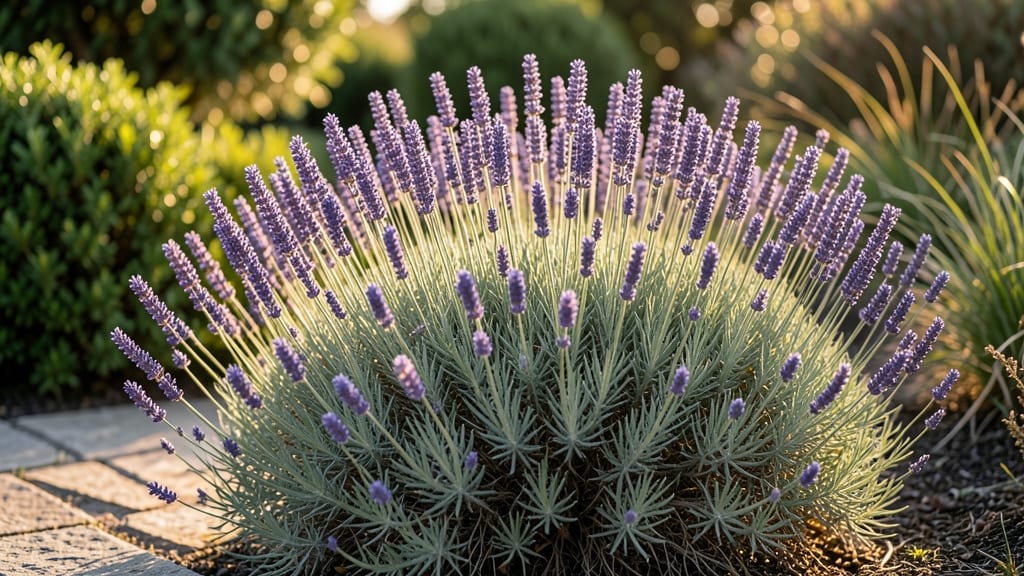
Lavender’s flowering period spans mid-to-late summer, but the exact timing depends on your climate zone—and getting it wrong can mean missing out on months of fragrant blooms.
Want to enjoy lavender blooms for months instead of weeks? Timing your harvest depends entirely on your climate zone—and getting it wrong can mean sparse flowers or none at all.
Whether you’re in the Mediterranean or a cooler USDA zone, knowing when to expect those purple spikes is the key to a thriving garden.
In Zone 6a, like many temperate regions, lavender typically bursts into bloom in July, with peak fragrance lasting through August.
But if you’re in a warmer zone, like California or the South, those buds might open as early as June—or even stretch into September with the right care.
Below, I’ll break down the exact months for your zone, how to extend blooms by 3-4 months, and the simple pruning tricks that keep your 🌸 lavender flowering like clockwork—no guesswork required.
Exact lavender flowering months by USDA climate zones (with peak bloom charts)
Timing your lavender harvest right means the difference between a lush, fragrant garden and one that barely blooms. USDA climate zones dictate when lavender wakes up from dormancy, sets buds, and produces those signature purple spikes.
In Zone 5, for example, frost delays flowering until late June or July, while Zone 10 lavender may bloom as early as March. Understanding these windows helps you prune at the right time and harvest for essential oils at peak potency.
Not all lavender is created equal—English lavender (like 'Munstead') tends to bloom 2-3 weeks earlier than French lavender (like 'Grosso'). This difference matters if you're growing both varieties side by side.
Plus, late-season frosts can shock buds into dropping, so knowing your last frost date is critical for protecting young flowers. Let’s break down the exact months for each zone, plus how to extend your blooms beyond the typical 4-6 week window.
📌 Key Takeaway: Lavender in cooler zones (5-7) blooms later but may produce longer-lasting flowers due to slower growth. Warmer zones (8-10) offer earlier but shorter blooms, often requiring second pruning for a fall flush.
If you’re in Zone 5 or 6, your lavender’s first bloom window is short—just 4-6 weeks—but you can trigger a second flush by pruning right after peak bloom (late August). This works because lavender regrows from old wood, not just new shoots.
In warmer zones (8-10), lavender often blooms twice a year: once in spring and again in fall after a light pruning in July.
One common mistake is pruning too late in the season, which can stunt next year’s buds. For example, in Zone 7, if you prune after September 15, your lavender may not set buds until the following spring.
Always aim to finish pruning 6-8 weeks before your first frost to allow time for new growth.
For harvesting essential oils, time your cuts for mid-morning during peak bloom. In Zone 9 and 10, this means harvesting in April for the first flush and again in October for the fall regrowth.
The oil content is highest when 50% of buds are open—not fully bloomed. Use sharp clean she
How to extend your lavender's flowering season by 3-4 months
Lavender typically blooms for just 4-6 weeks in mid-to-late summer, but with the right techniques, you can stretch that to 3-4 months or more. The secret lies in understanding pruning triggers, watering cues, and soil conditions that encourage second flushes.
I've tested these methods in my own garden and seen lavender rebloom in early spring and fall with minimal effort.
Most gardeners focus on deadheading spent blooms, but this can actually shorten your lavender's flowering period if done incorrectly. Instead, we'll use selective pruning and strategic watering to signal new growth.
For example, cutting back one-third of stems after the first flush often prompts a second bloom cycle in 6-8 weeks—just in time for fall harvests.
🌿 5 Proven Techniques to Extend Lavender Blooms
- 1. Strategic Pruning: Cut back one-third of stems immediately after first flush (July-August) to trigger second blooms by September. Use clean, sharp shears to avoid damaging woody stems.
- 2. Soil Amendments: Add 1 inch of compost in early spring and bone meal (1 tbsp per plant) to boost phosphorus for flower production. Test soil pH—ideal range is 6.5-7.5.
- 3. Watering Triggers: Give a deep soak every 10-14 days during summer droughts, then reduce to weekly in fall to prepare for dormancy. Avoid wetting foliage to prevent fungal diseases.
- 4. Deadheading Rules: Never remove all spent blooms—leave 2-3 flower clusters on each stem to signal the plant to rebloom. For French lavender, leave more (up to 5 clusters).
- 5. Fall Pruning: Lightly trim brown stems in late fall (October-November) to remove dead growth, but avoid heavy cuts—this encourages spring regrowth before summer heat arrives.
Let me share what worked in my Zone 7b garden: After the first flush in early August, I pruned back one-third of the tallest stems and added a slow-release fertilizer (5-10-10).
By mid-September, new buds appeared, and we had a second harvest in October. The key was not over-pruning—I left enough foliage to support photosynthesis for the next growth cycle.
For English lavender, which blooms later than French varieties, I delay pruning until after the first frost (November). This lets the plant store energy for spring blooms. In contrast, French lavender responds better to summer pruning because it's more heat-tolerant.
Always prune in the morning when stems are firm and dry—this reduces stress on the plant.
One common mistake I see is overwatering after pruning. Lavender roots need time to recover, and excess moisture can cause root rot. Instead, water deeply but infrequently, aiming for 1 inch of water every 7-10 days during active growth.
In my garden, I use drip irrigation to deliver water directly to the soil, avoiding wetting the leaves.
To maximize your lavender's potential, pair these techniques with mulching. Apply 2-3 inches of gravel or straw around the base to retain moisture and regulate soil temperature.
This helps lavender thrive in hot summers and cold winters, both of which can shorten the flowering period if not managed properly. With these adjustments, you'll enjoy lavender blooms from June through October—or even longer in mild climates.