
Advice
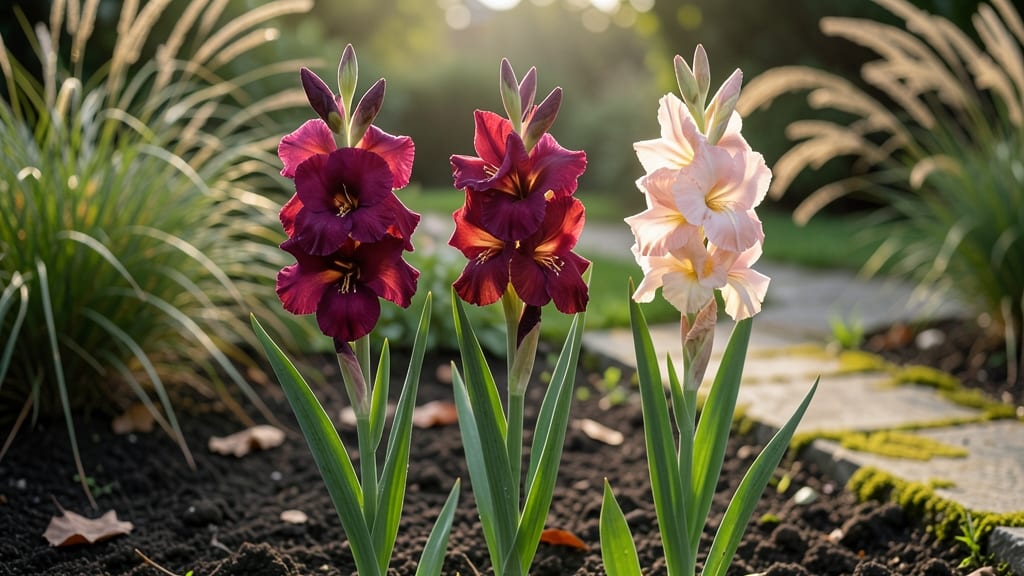
The gladiolus flowering period depends on heat accumulation after planting, not just calendar dates — and getting it right means summer-long color instead of missed blooms.
Picture this: you’ve spent weeks preparing your garden beds, only to watch your 🌸 gladiolus corms sprout too late or fade before peak season. That’s the difference between a well-timed planting and a frustrating gamble.
In USDA Zone 6a, where most gardeners live, gladiolus typically bloom 8-10 weeks after planting — but that window shifts dramatically in hotter or cooler climates. Too early, and the heat stunts growth; too late, and frost cuts blooms short.
Below, I’ll break down how to calculate your exact planting timeline, adjust for your zone’s heat patterns, and even stretch your blooms across multiple summer weeks with simple tricks.
Understanding gladiolus flowering periods by USDA zone and heat needs
Gladiolus flowers are famous for their dramatic spikes of color, but their 8-10 week flowering period depends heavily on your USDA zone and heat requirements. These plants need 60°F+ for sprouting and 75°F+ for blooming, which means timing varies dramatically from Zone 3 to Zone 11.
Getting this right ensures you enjoy summer blooms instead of missed opportunities.
In cooler zones like USDA Zone 3-5, gladiolus corms need protection from late frosts and benefit from extended growing seasons. Meanwhile, Zones 8-11 face challenges with heat stress and may require shade or staggered planting.
Understanding these regional differences helps you plan for peak bloom timing that aligns with your local climate.
The summary table below breaks down flowering periods by zone, including planting windows, bloom timing, and heat management tips to maximize your success.
In USDA Zones 3-5, where summers are short, gladiolus corms need to be planted 6-8 weeks before your first frost to complete their 8-10 week growth cycle. For example, if your first frost is October 15, aim to plant by late May to early June.
This ensures blooms appear in late July or August, just before cooler weather arrives.
Gardeners in Zones 6-7 enjoy longer growing seasons, allowing for two planting cycles: one in spring for summer blooms and another in early summer for fall color.
The key here is to maintain consistent soil moisture and fertility, as gladiolus thrive on rich, well-draining soil with balanced nutrients.
For Zones 8-9, where heat can be intense, I recommend planting in early spring to avoid the peak summer heat that can stress the plants.
If you want fall blooms, try a late summer planting (August) and use shade cloth to protect the foliage from direct afternoon sun.
In Zones 10-11, gladiolus can bloom in winter if planted in fall. This is a unique opportunity for tropical gardeners to enjoy holiday-season color. However, these zones require extra care to prevent heat stress during the hottest months.
Mulching with straw or wood chips helps retain moisture and keeps roots cool.
One common mistake is assuming gladiolus will bloom immediately after planting. In reality, they need 60°F+ soil temperatures to sprout and consistent warmth to develop buds. If your area experiences unpredictable weather, consider using a cold frame or row covers to protect young shoots from late frosts.
To extend your blooming season, try staggered plantings every 2-3 weeks. This technique ensures a continuous display of flowers from early summer to fall.
For example, in Zone 7, plant one batch in early May, another in mid-June, and a final batch in early July for blooms through September.
Remember, gladiolus are heavy feeders, so fertilize every 4-6 weeks with a balanced 10-10-10 formula to encourage strong growth and abundant blooms. Pair this with deep watering in the morning to prevent fungal diseases like botrytis, which thrives in moist, humid conditions.
By aligning your planting schedule with your USDA zone and heat requirements, you’ll enjoy vibrant gladiolus blooms at their peak—whether it’s a summer garden highlight or a w
How to calculate your gladiolus planting timeline for peak blooms
Timing your gladiolus planting is all about math—specifically, understanding your USDA zone and how many growing degree days your region accumulates before summer heat peaks. Gladiolus need 8-10 weeks from planting to bloom, but their growth speed depends entirely on temperature.
In cooler zones (like USDA 3-5), you’ll plant earlier to reach that 75°F+ threshold faster, while warmer zones (like USDA 8-11) can delay planting to avoid summer wilting.
Start by finding your average last frost date—this is your first deadline. Then, work backward from your desired bloom window (typically July-August for peak summer color). For example, if you want blooms by July 15, subtract 10 weeks to land on your ideal planting date.
But here’s the catch: gladiolus won’t sprout until soil temps hit 60°F+, so you’ll need to adjust for your local heat buildup.
🌱 Gladiolus Flowering Timeline Breakdown
- 1. Planting Window: 4-6 weeks before last frost (or when soil reaches 60°F)
- 2. Sprouting Phase: 2-3 weeks (requires 70°F+ soil)
- 3. Vegetative Growth: 4-5 weeks (stem elongation, 75°F+ air temp ideal)
- 4. Bloom Stage: 2-3 weeks (buds open when daytime highs exceed 80°F)
- 5. Post-Bloom: 4-6 weeks (foliage dies back; harvest corms after frost)
🌡️ Pro Tip: Use a growing degree day (GDD) calculator (like the one from USDA ARS) to fine-tune your timeline. Gladiolus need 1,200-1,500 GDDs from planting to bloom.
Next, account for your microclimate. A south-facing bed warms up 2-3 weeks earlier than a north-facing one, while urban areas with heat islands may let you plant 1-2 weeks later without risking blooms.
Test your soil’s warmth by pressing a thermometer 4 inches deep—gladiolus corms won’t sprout until temps hit 60°F+ consistently.
For staggered blooms, plant 1/3 of your corms every 2 weeks starting 4 weeks before your last frost. This spreads your color from early July to late August, giving you a longer display.
In USDA zones 9-11, you can even plant in fall (October-November) for winter blooms, though you’ll need to protect them from freezing temps.
Don’t forget to adjust for heat waves. If your region hits 90°F+ regularly, gladiolus may bolt (send up flower spikes too quickly) or develop blind stems (no blooms). In these cases, use shade cloth (30-50%) during peak afternoon sun to keep temps between 75°F-85°F for optimal blooming.
Finally, mark your planting date on a calendar and set reminders for fertilizing (every 4-6 weeks) and watering (deep soaks weekly). With this timeline, you’ll guarantee vibrant gladiolus blooms right when you want them—no missed opportunities! 🌸