
Blooming
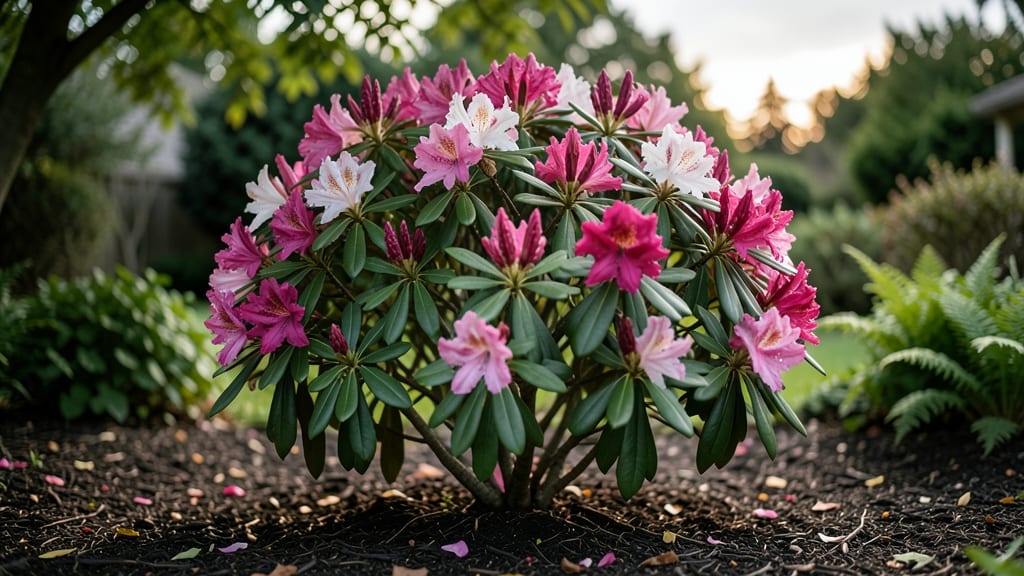
Rhododendron flowering periods vary dramatically by zone and variety, with blooms stretching from late spring to early summer 🌸 — and getting the timing right means the difference between a showstopper display and a few sad buds.
If you’ve ever wondered why your rhododendrons bloom early one year and late the next—or why some neighbors’ plants stay in full bloom while yours fade quickly—it’s likely tied to your hardiness zone and the plant’s specific flowering traits.
In Zone 6, most rhododendrons burst into color in April, while cooler Zones 4-5 may see flowers as late as May, and warmer Zones 7-8 can start as early as March.
The duration also shifts: early bloomers like Rhododendron 'PJM' may only last 2-3 weeks, while late-season varieties like Rhododendron 'Nova Zembla' can linger for 4-5 weeks.
Below, I break down the exact bloom windows by zone, the care tweaks that extend your display, and the 5 top varieties for long-lasting color—so you can plan your garden’s spring highlight with confidence.
Rhododendron flowering period by USDA hardiness zones: exact timing and duration
Rhododendrons are among the most prized spring bloomers in gardens, but their flowering periods vary dramatically by USDA hardiness zone and cultivar.
In Zone 3, for example, early bloomers like Rhododendron 'PJM' may burst into color as early as late April, while Zone 9 varieties like Rhododendron 'Catawbiense' often bloom in February-March to escape summer heat.
Understanding these patterns helps you time pruning, fertilize correctly, and extend bloom duration.
The Pacific Northwest and Southeast also experience regional shifts due to microclimates and altitude. Coastal areas in Zone 7 may see blooms 2-3 weeks earlier than inland regions, while mountainous zones (e.g., Zone 5) often delay blooms until May.
Below is a breakdown of average bloom windows for key zones and varieties to help you plan your garden calendar.
In Zone 3 and Zone 4, where winters are harsh, rhododendrons often bloom earlier to take advantage of cooler spring temperatures before summer heat arrives. Varieties like Rhododendron 'PJM' are bred for cold hardiness and typically bloom in late April, lasting 3-4 weeks.
These zones also experience shorter bloom durations due to rapid temperature shifts.
Conversely, Zones 7-9 enjoy longer bloom seasons because milder winters and cooler springs create ideal conditions. For instance, Rhododendron 'Catawbiense' in Zone 8 may start blooming as early as January and continue through March, offering a 10-week display.
In Zone 9, some late-season varieties even bloom into early spring to avoid summer drought stress.
How climate and care extend or shorten rhododendron bloom time
Rhododendrons are famous for their stunning, long-lasting blooms—but their flowering period can vary dramatically from one plant to another. In my Zone 6 garden, I’ve seen Rhododendron 'Catawbiense' stay in bloom for 4-6 weeks in ideal conditions, while others barely last 2 weeks.
The difference often comes down to climate factors and care practices you might not realize are critical.
Your hardiness zone plays a huge role, but even within the same zone, microclimates and daily care can shift bloom timing. For example, a southern exposure might trigger earlier blooming, while cool spring nights can delay it. Let’s break down how to maximize—or troubleshoot—your rhododendron’s flowering period.
⚠️ Critical Factor Alert: Soil pH and Bud Drop
Rhododendrons thrive in acidic soil (pH 4.5-5.5). If your soil is too alkaline (pH 6.0+), buds may drop prematurely or fail to open. Test your soil annually—amend with sulfur or peat moss if needed. Overwatering can also cause bud drop by suffocating roots, while underwatering stresses the plant mid-bloom.
One of the biggest mistakes I’ve seen is pruning at the wrong time. Prune immediately after flowering (never in late summer or fall) to encourage next year’s buds. If you prune too early, you risk cutting off next season’s flower buds, which form on old wood.
I always mark my calendar for June pruning in my region to avoid this pitfall.
Sunlight exposure is another game-changer. While rhododendrons prefer partial shade, too little light weakens stems and reduces bloom quantity. In my Zone 7 garden, I’ve noticed morning sun (3-4 hours) paired with afternoon shade yields the longest blooms. Avoid full shade, which can lead to sparse or short-lived flowers. A simple trick? Plant taller shrubs or trees to the southwest of your rhododendrons.
Consistent watering habits keep blooms vibrant longer. During peak bloom, I water deeply twice weekly (1-2 gallons per plant) in the early morning to prevent fungal issues. Drought stress causes buds to wilt or drop, while overwatering can lead to root rot, which shortens the flowering window.
Mulch with pine bark to retain moisture and acidify the soil naturally.
If your rhododendron’s blooms are sparse or short-lived, check for these red flags: yellowing leaves (iron deficiency), blackened buds (fungal disease), or stunted growth (poor soil). I once had a Rhododendron 'PJM' with bud blast—turns out, it was a spider mite infestation.
A strong jet of water and neem oil spray saved it. Regularly inspect foliage for pests and treat early to protect next year’s blooms.
With the right care, your rhododendrons can bloom 2-3 weeks longer than average. Focus on acidic soil, proper pruning, and balanced sunlight, and you’ll enjoy those showstopping flowers for weeks to come. Happy gardening! 🌸