
Flowers
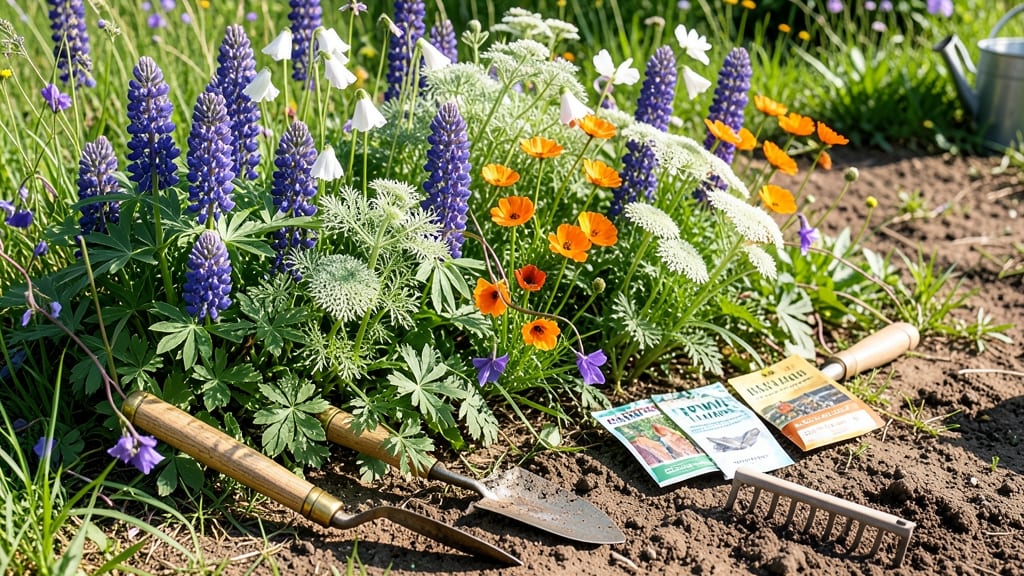
Planting wildflowers in the Pacific Northwest at the right time means the difference between a patchy meadow and a burst of color that lasts from spring to fall.
If you’ve ever stared at a seed packet wondering, "Will these even grow here?"—you’re not alone. The PNW’s mix of coastal fog, inland heat, and unpredictable frost dates turns planting into a high-stakes puzzle.
But with the right timing, you can skip the guesswork and create a thriving wildflower garden that adapts to your microclimate.
From the mild coastal zones (7b) to the drier inland areas (9a), the best planting windows shift between late winter and early fall. Spring sowing gives annuals a head start, while fall planting lets perennials establish roots before winter’s chill.
I’ll break down the exact months for each zone, plus the top native species that bloom year-round with minimal fuss.
Ready to transform your yard into a pollinator paradise? You’ll learn how to prep soil, choose seeds for your specific climate, and keep your wildflowers blooming longer than ever—even when the PNW throws a curveball.
Pacific Northwest wildflower planting calendar by hardiness zones 7-9
The Pacific Northwest’s mild maritime climate creates unique challenges for wildflower planting. Zone 7 (coastal areas like Seattle) enjoys cooler summers and wet winters, while Zone 8 (Willamette Valley) has warmer days and drier summers. Zone 9 (eastern PNW like Wenatchee) experiences hotter summers and colder winters—each requiring precise timing for successful germination.
Understanding these microclimates ensures your wildflowers thrive year-round.
Most annual wildflowers thrive when sown in early spring (March-April) or late summer (August-September), while perennial species benefit from fall planting (September-October). Soil temperatures below 40°F delay germination, and excessive rainfall can wash seeds away.
Coastal areas (Zone 7) have later frost dates (mid-April) compared to inland Zone 9 (late March), so adjust your schedule accordingly.
For annual wildflowers like California poppies (Eschscholzia californica) or lupines (Lupinus polyphyllus), aim for spring sowing in Zone 7 after the last frost date. These species germinate quickly in cool, moist soil and bloom within 6-8 weeks.
In contrast, perennial wildflowers such as yarrow (Achillea millefolium) or blanket flower (Gaillardia aristata) should be planted in early fall (September-October) to establish roots before winter.
Zone 8’s Willamette Valley offers the broadest planting window due to its moderate climate. Spring sowing (February-April) works well for fast-growing annuals, while fall planting (August-September) is ideal for perennials that need time to root before winter. Soil temperatures in this zone often stay above 50°F until late October, giving you flexibility.
In Zone 9, where summers are hotter and drier, prioritize early spring (February-March) or late summer (July-August) planting. Native grasses like blue grama (Bouteloua gracilis) thrive with minimal water once established, making them perfect for xeric landscapes.
Always water deeply after planting to encourage root growth before the first frost in October.
To maximize blooms, layer species by planting early spring varieties (e.g., bachelor’s buttons (Centaurea cyanus)) alongside late summer bloomers (e.g., black-eyed Susans (Rudbeckia hirta)). This creates a continuous color palette from April through October.
In Zone 7, extend the season by planting winter-hardy perennials like heather (Calluna vulgaris) in early fall.
Always prepare your soil 2-3 weeks before planting by loosening the top 6 inches and mixing in compost. Coastal areas (Zone 7) may need amendments for drainage, while Zone 9’s clay soils benefit from organic matter to improve structure. Test your soil’s pH—most PNW wildflowers prefer slightly acidic to neutral (6.0-7.
Best wildflower species for Pacific Northwest seasons and their planting windows
The Pacific Northwest’s diverse climate—from coastal fog to inland dry heat—offers perfect conditions for wildflowers that bloom in every season. The key to a continuous-color meadow lies in selecting native species with staggered planting windows.
Early spring bulbs like Camassia leichtlinii kick off the show, while late-season Solidago (goldenrod) extends color into frost. Let’s explore the best seasonal wildflowers and their ideal planting times to create a year-round floral display.
Layering perennial wildflowers with drought-tolerant natives ensures your garden thrives with minimal water. For example, Lupinus polyphyllus (lupine) thrives in summer, while Helleborus hybrids (hellbore) bring winter interest. Each species has a specific planting window tied to local frost dates and rainfall patterns.
Coastal areas (Zone 7b) can plant earlier than inland zones (Zone 9a), so adjust timing accordingly.
Camassia leichtlinii (Camass Meadows) – Plant bulbs in late winter (Feb-Mar) for April-May blooms. Thrives in moist meadows and attracts pollinators.
Lupinus polyphyllus (Lupine) – Sow seeds in early spring (Apr-May) for June-August blooms. Prefers well-draining soil and full sun.
Solidago spp. (Goldenrod) – Plant in early fall (Aug-Sept) for late summer-fall color. Drought-tolerant and supports butterfly habitats.
Helleborus hybrids (Lenten Rose) – Plant in early fall (Sept-Oct) for winter-spring blooms. Thrives in shady, moist spots and tolerates frost.
For a low-maintenance meadow, combine early bloomers like Eschscholzia californica (California Poppy) (plant in late summer) with late-season stalwarts such as Achillea millefolium (Yarrow) (plant in spring or fall).
These native wildflowers require minimal watering once established and support local ecosystems. Always stratify seeds for perennials to mimic natural conditions and improve germination rates.
Pro tip: Use mulch to retain moisture in drought-prone areas and avoid over-fertilizing, which can reduce flowering. Instead, focus on well-draining soil and full-sun exposure for most PNW wildflowers.
With the right timing and species mix, your garden will burst with color from early spring to late fall—and even through winter with evergreens like Helleborus.
Start small with 5-10 species to test your microclimate, then expand over time. The Pacific Northwest’s mild winters and wet springs create ideal conditions for wildflowers—just give them the right planting window and watch your garden transform into a pollinator paradise.