
Blooming
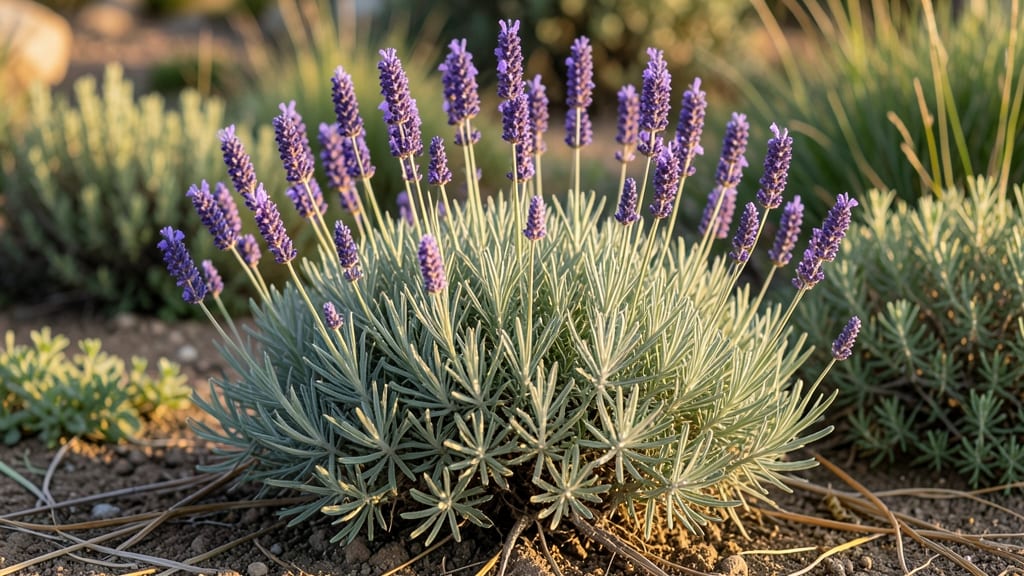
Struggling to keep your lavender blooming year after year? The secret lies in understanding its flowering season—and how your climate zone affects it.
Most lavender varieties—like the classic English lavender—burst into bloom between June and August in Zone 6a, but Mediterranean types like Spanish lavender may start as early as May.
Even a few degrees of temperature shift can delay or advance blooms by weeks, which means your local microclimate matters more than you think.
In this guide, I’ll break down the best flowering windows by zone, share three pruning tricks to extend your lavender’s season, and reveal the top reblooming varieties that keep flowering until frost.
Whether you’re in a hot desert or a cool mountain climate, you’ll learn how to coax more blooms from your plants—and keep them thriving for years.
Lavender flowering season by USDA climate Zones: when to expect blooms
Understanding your USDA climate zone is key to predicting when your lavender will bloom. Most varieties follow a predictable schedule, but microclimates and plant types can shift timelines dramatically. Hardy lavender (Lavandula angustifolia) thrives in cooler zones, while tender varieties like Lavandula stoechas prefer warmer climates.
Let’s break down what to expect in Zones 5 through 10.
In Zones 5-6, lavender typically blooms from mid-June to early August, aligning with the longest daylight hours. However, early varieties like 'Hidcote' may start as early as late May in sheltered microclimates.
Meanwhile, Zones 7-9 see blooms stretching from May to September, with some late-season varieties extending into October.
In Zone 10, lavender can bloom year-round if conditions are ideal, though peak flowering usually occurs in spring and fall. The key difference? Heat tolerance and water needs shift dramatically. Tender varieties may struggle in Zone 5 winters, while hardy types can survive -20°F with proper care.
For extended blooming, focus on deadheading spent flowers and light pruning after the first flush. In Zones 5-6, I’ve seen 'Hidcote' rebloom in late summer if given a second pruning in June.
In warmer zones, Lavandula stoechas often blooms twice yearly—once in spring and again in fall.
Microclimates play a huge role. A south-facing slope in Zone 5 can push blooms 2-3 weeks earlier than a shaded garden bed. Similarly, coastal Zone 9 gardens may see delayed blooming due to cooler ocean breezes. Always monitor your lavender’s response to local conditions.
Tender varieties like Lavandula stoechas (French lavender) bloom earlier in warmer zones but may struggle in Zone 5 winters. If you’re in a borderline zone, opt for hardy hybrids like 'Roberta' or 'Regal Splendour', which tolerate lower temperatures while still producing vibrant blooms.
To encourage reblooming, avoid heavy pruning until after flowering. In Zones 7-10, a light trim in early spring can stimulate new growth. For Zones 5-6, wait until late spring to prune, as early cuts may expose tender stems to late frosts.
Watering strategies also impact bloom timing. Overwatering in summer can delay blooms, while deep, infrequent watering promotes stronger root systems. In Zone 10, lavender may bloom less frequently
How to extend lavender blooming season: pruning, deadheading, and seasonal care
Lavender's natural blooming season typically spans June to August, but with the right care, you can coax reblooming into early fall—or even late spring. The key lies in understanding seasonal triggers and adjusting your approach based on your USDA zone.
Whether you're in Zone 5's chilly climate or Zone 10's desert heat, these techniques will help maximize your lavender's potential.
First, let's address the most common mistake: over-pruning after the first bloom. Many gardeners cut back too aggressively, which signals the plant to enter dormancy early. Instead, focus on light pruning and strategic deadheading to encourage a second flush of flowers.
For English lavender (Lavandula angustifolia), this means keeping 1/3 of the plant's growth intact after the first bloom cycle.
For seasonal adjustments, start with spring fertilization in March or April using a low-nitrogen, high-phosphorus blend (like 5-10-10). This encourages root and flower development without promoting leafy growth.
In summer, reduce watering to once weekly (or bi-weekly in cooler zones) to prevent leggy growth, which weakens blooms.
In winter, Zone 5-7 gardeners should protect lavender with 2-3 inches of mulch and a light frost cloth if temperatures drop below 10°F. For desert climates (Zones 9-10), focus on shade cloth during peak afternoon sun to prevent heat scorch, which can delay or reduce blooming.
Always water deeply but infrequently—lavender hates soggy roots.
To extend the blooming window, try these zone-specific hacks:
- Zones 5-6: Prune lightly in late spring to encourage early summer blooms, then again in early fall for late-season color.
- Zones 7-8: Deadhead through August to push blooms into September or October.
- Zones 9-10: Use drip irrigation to keep roots cool and avoid overhead watering, which can cause fungal issues.
Remember, lavender is a low-maintenance perennial, but these small tweaks can double or triple your blooming season. Start with one plant as a test subject—track its response to your adjustments, and soon, you'll have a year-round fragrant display! 🌸