
Vegetables
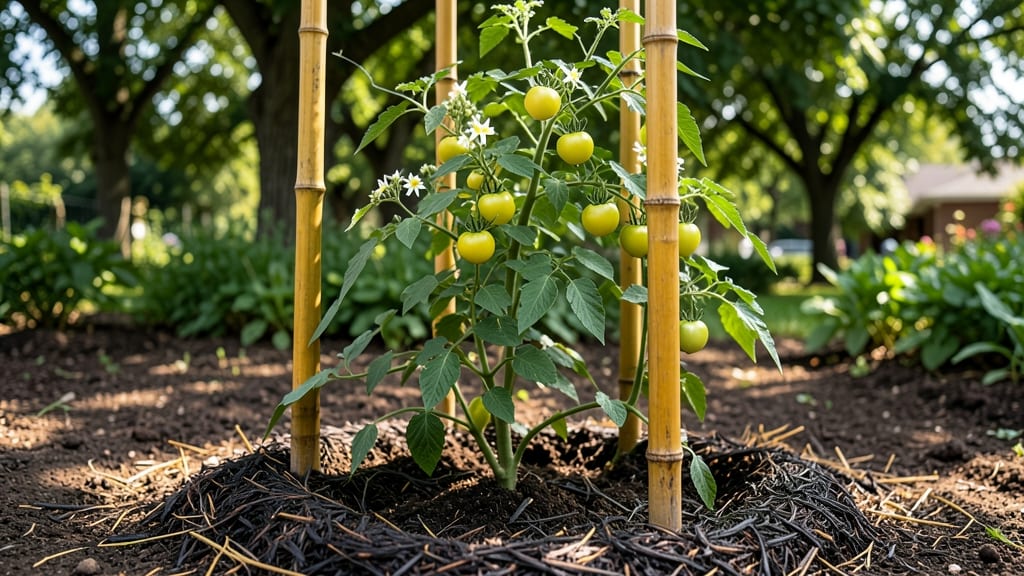
Growing Lemon Drop tomatoes in containers means sunshine bursts of flavor on your patio. 🌿 These tiny, golden-orange tomatoes pack a tangy-sweet punch that store-bought varieties can't match. My first harvest had me reaching for them instead of the salad bowl—something I never expected from a container plant.
The secret lies in their compact growth habit and prolific fruiting. You'll need a 5-gallon container (or larger) with great drainage, a sturdy trellis, and consistent afternoon sun. Lemon Drops thrive in warm climates but can handle cooler summers with proper protection—just don't let temps dip below 50°F at night.
What you end up with is a plant that produces hundreds of 1-inch tomatoes all season long, each one bursting with that signature lemony tang. The flavor profile makes them perfect for fresh eating, salads, or preserving—though I confess to eating most straight off the vine.
Works beautifully in small spaces, balconies, or even large pots on decks. Here's how to coax the best from these flavor powerhouses!
📚 In This Guide
- What you need
- Instructions
- Tips and common mistakes
- Wrapping up and next steps
What you need
- ● Lemon Drop Tomato Seeds or Seedlings: 1–3 plants (choose disease-resistant varieties if possible).
- ● Containers: 5-gallon pots or larger (minimum 18" deep and wide for each plant).
- ○ Optional: Fabric grow bags or self-watering containers for better drainage.
- ● High-Quality Potting Mix: 1 bag (sterilized, well-draining mix with added compost or worm castings).
- ● Tomato Cages or Trellis: 1–2 sturdy cages (4–6 ft tall) or a small trellis to support vines.
- ● Balanced Fertilizer: 10-10-10 or organic option (follow package instructions for application).
- ○ Slow-Release Fertilizer: Optional but recommended (e.g., Osmocote or compost pellets).
- ● Mulch: Straw, shredded leaves, or coconut coir to retain moisture.
- ● Watering Can or Hose with Soft Nozzle: For gentle hydration (avoid overhead watering to prevent disease).
- ● Gloves: Gardening gloves to protect your hands.
- ● Trowel or Small Shovel: For transplanting seedlings or mixing soil.
- ● Pruning Shears: To trim suckers and encourage bushier growth.
- ○ pH Test Kit: Optional but helpful (ideal soil pH: 6.0–6.8).
- ● Sunlight Spot: A location with 6–8 hours of full sun daily (south-facing windowsills or balconies work too!).
- ● Patience & Love: 💖 These sweet tomatoes take 70–85 days to mature!
Step-by-step instructions for growing Lemon Drop tomatoes in containers
Here's my foolproof method for coaxing those bright, tangy fruits from compact plants.
🌱 Step 1: Select the Perfect Container and Soil Mix
Lemon Drop tomatoes thrive in 5-gallon containers with drainage holes—no smaller, or roots will circle and stunt growth. I use black fabric grow bags because they wick excess moisture away from roots, preventing the rot that plagues container tomatoes. Fill each with a mix of 60% potting soil, 30% compost, and 10% perlite for aeration.
Sterilize your container first by soaking it in a 10% bleach solution for 10 minutes, then rinsing thoroughly. This prevents fungal spores from lurking in old pots. The soil mix should feel like a damp sponge—light enough to crumble between fingers but not so dry it repels water. Add a handful of balanced organic fertilizer (10-10-10) to the bottom layer for slow-release nutrition.
🌱 Step 2: Plant Transplants at the Right Depth and Stake Early
Dig a hole deep enough that the top of the root ball sits 1 inch below the soil surface. Lemon Drops grow determinate (bush-type), so burying the stem encourages stronger root development. Gently remove the plant from its nursery pot and tease apart any circling roots with your fingers—this prevents girdling as the plant matures.
Install a 5-foot bamboo stake immediately next to each plant. I drive it in at a 45-degree angle and tie the main stem loosely with soft plant tape. This gives the stake time to settle before you need to secure the plant's rapid growth. Water deeply right after planting to eliminate air pockets around the roots, then let the top inch of soil dry before watering again.
☀️ Step 3: Master Sunlight and Watering for Maximum Flavor
Lemon Drops demand 6-8 hours of direct sunlight daily, but protect them from midday sun in hot climates—leaves burn easily. I place my containers on a rolling dolly so I can move them to partial shade when temperatures exceed 90°F. The fruit's signature tang develops best when days stay between 70-85°F.
Water at the base only, aiming for 1-1.5 gallons per plant every 2-3 days during fruiting. Let the top 2 inches of soil dry between waterings—consistent moisture prevents blossom-end rot, while soggy soil invites root rot. Mulch with 2 inches of straw to retain moisture and keep roots cool. You'll know your watering is perfect when leaves stay deep green and stems feel firm when squeezed.
✂️ Step 4: Prune and Support for Heavy Fruit Loads
Remove all suckers (the shoots that form in the leaf axils) to direct energy into fruit production. Lemon Drops produce so many tomatoes that stems can snap under weight—prune aggressively to prevent this. After the first cluster sets fruit, pinch off any new growth above it to stop the plant from becoming top-heavy.
Tie the main stem to the stake every 4-6 inches as it grows using soft plant ties. When fruit reaches ping-pong ball size, add a second stake and tie a piece of twine between them to create a hammock for the heavy clusters. This prevents stem breakage and keeps tomatoes off the ground where they might rot.
🍅 Step 5: Harvest at Peak Ripeness for Best Flavor
Lemon Drops ripen all at once, so check daily once fruit starts coloring. The ideal time to harvest is when the skin turns a vibrant yellow with just a hint of pink at the stem end—this balance delivers the signature tangy-sweet flavor. Gently twist the tomato to remove it; if it resists, use pruning shears to avoid damaging the stem.
Harvest in the morning when temperatures are coolest to preserve flavor and texture. Store unripe tomatoes at room temperature to finish ripening, but never refrigerate them until fully ripe—cold temperatures destroy their delicate flavor compounds. With proper care, you'll get 10-15 pounds of fruit per plant over a 4-6 week harvest window.
Tips & tricks for perfect Lemon Drop tomatoes in containers
A few key strategies will help you coax the most vibrant, flavor-packed harvest from your compact plants.
Container Selection: While 5-gallon containers are ideal, avoid anything smaller than 3 gallons—roots need room to expand. I've found that black fabric grow bags outperform plastic because they breathe better, preventing the dreaded root rot that can plague container tomatoes. If you must use plastic, drill extra drainage holes near the bottom to improve airflow. The 10-minute bleach soak is non-negotiable—it eliminates fungal spores that could sabotage your plants from day one.
Planting Depth: Burying the stem 1 inch below soil level might seem counterintuitive, but it triggers stronger root development for these bush-type varieties. When teasing apart circling roots, work gently—you're not trying to destroy them, just loosen the spiral so they can spread outward. This simple step prevents girdling, where roots strangle the plant as it grows. The loose plant tape at a 45-degree angle gives you flexibility to adjust as the plant grows without damaging delicate stems.
Sunlight Strategy: Those 6-8 hours of direct sunlight are critical, but heat above 90°F can scorch leaves faster than you can move containers. I've learned to watch the sky—when clouds appear at midday, that's your cue to move plants to partial shade. The 70-85°F range isn't just about flavor; it's where these tomatoes photosynthesize most efficiently. A rolling dolly makes this adjustment effortless, and trust me, your plants will thank you with brighter fruit and fewer sunburnt patches.
Watering Wisdom: The 1-1.5 gallon guideline is your baseline, but adjust based on temperature and humidity. In my experience, container tomatoes dry out faster than in-ground plants—always check that top 2 inches before watering. Mulching with straw isn't just about moisture retention; it creates a microclimate that keeps roots cool and prevents soil-borne diseases from splashing up during watering. When leaves stay deep green and stems feel firm, you're hitting the sweet spot between hydration and overwatering.
Pro Tips for Lemon Drop Tomato
- A few key strategies will help you coax the most vibrant, flavor-packed harvest from your compact plants.
- Container Selection: While 5-gallon containers are ideal, avoid anything smaller than 3 gallons—roots need room to expand.
- Planting Depth: Burying the stem 1 inch below soil level might seem counterintuitive, but it triggers stronger root development for these bush-type varieties.
Frequently asked questions
What’s the best container size for lemon drop tomatoes?
Lemon drop tomatoes thrive in 5-gallon containers or larger. A minimum of 12–18 inches deep ensures strong root growth and prevents overcrowding. Use well-draining potting mix with added compost for optimal performance. Pro tip: Add a trellis or cage to support their vining habit!
How long does it take for lemon drop tomatoes to produce fruit?
From transplanting, expect 60–75 days until your first ripe fruit. Factors like sunlight (6–8 hours daily), warmth, and consistent watering speed up the process. Patience pays off! Early blooms may drop if nights are chilly—wait for warm, stable weather.
Why are my lemon drop tomatoes turning yellow or splitting?
Yellowing leaves often signal overwatering or nutrient deficiency (like nitrogen). Splitting? It’s usually due to inconsistent watering—soak the soil regularly but avoid soggy roots. Fix it: Prune lower leaves for airflow and mulch to retain moisture.
Can I grow lemon drop tomatoes in small spaces like balconies?
These compact plants are perfect for balconies, patios, or windowsills with 5-gallon pots. Just ensure they get full sun and rotate containers weekly for even growth. Dwarf varieties (like ‘Tiny Tim’) are ideal for tight spaces!
What’s a good alternative if I can’t grow lemon drop tomatoes?
Try these similar container-friendly varieties:
- ‘Sweet 100’ cherry tomatoes – Juicy and prolific
- ‘Sun Gold’ tomatoes – Sweet with a golden hue
- ‘Patio Princess’ – Compact and disease-resistant
Wrapping up and next steps
The Lemon Drop tomato isn’t just a pretty face—it’s a flavor-packed superstar perfect for small spaces and big dreams! 🌱 Whether you’re a seasoned gardener or a curious beginner, these tangy, sweet gems prove that great things come in tiny packages.
Ready to grow your own? Start by grabbing seeds or seedlings this season—your taste buds (and Instagram feed) will thank you!
Next steps:
- 🌱 Pick your container—even a 5-gallon bucket will do!
- 📅 Plant in early spring or late summer for the best harvest.
- 🍅 Savor the rewards—salads, sauces, or straight off the vine!