
Blooming
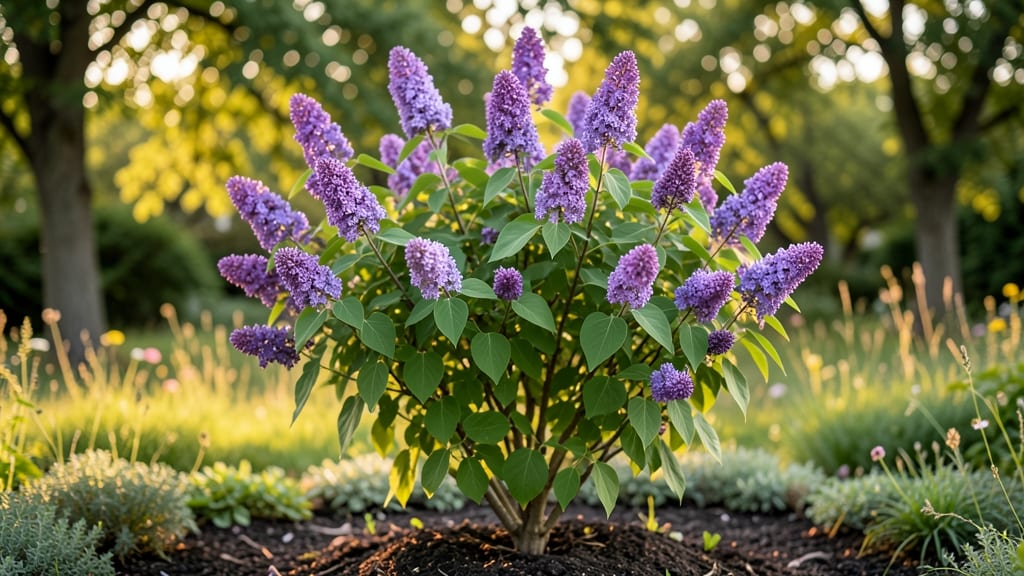
Lilacs bloom in late spring 🌸, with their exact flowering time depending on your USDA zone and the variety you’ve planted.
If you’ve ever wondered why your lilac bushes bloom early one year and late the next, the answer lies in your climate zone—and understanding it can help you predict—and even influence—their flowering schedule.
In Zone 6a, where most gardeners live, lilacs typically burst into color between mid-April and early June, but a single late frost or warm winter can shift that window by weeks.
Below, I’ll break down the exact months for your region, how to read your plant’s signals, and the simple tweaks that can make your lilacs bloom earlier—or last longer—than ever before.
When do lilacs bloom? Exact months by USDA climate zone
Lilacs are one of the most beloved spring shrubs, but their flowering time varies dramatically depending on your USDA climate zone. In cooler northern zones, lilacs often burst into bloom as early as late April, while southern gardeners may not see flowers until mid-June.
Understanding these patterns helps you choose the right varieties and prepare for their stunning displays.
The key factors influencing lilac blooming are chill hours (cold winter temperatures) and spring warmth. Most lilacs need between 300-1,500 chill hours to set buds properly, which explains why they bloom later in milder climates. Even within the same zone, regional microclimates can shift bloom times by weeks.
Early bloomers like 'Katherine Havemeyer' often flower in late April to early May, while late varieties such as 'Miss Perkin's Gem' may wait until June. Coastal areas tend to have delayed blooms due to moderating ocean influences, while inland zones see earlier flowering.
Pacific Northwest gardeners (Zones 7-9) typically enjoy lilacs from mid-April to late May, while Midwest growers (Zones 4-6) see peak blooms in May. Southern gardeners in Zones 7-9 may experience a second flush of blooms in early summer if conditions are ideal.
In Zone 3-4, where winters are harsh, lilacs often bloom earliest because they've accumulated sufficient chill hours by spring. The 'Dwarf Korean' variety is particularly reliable for late April blooms in these northern climates, while 'Charles J. Fox' extends the season into May.
Zone 5-6 gardeners experience the most dramatic range, with some varieties blooming as early as mid-April and others waiting until late May. The 'Katherine Havemeyer' remains a classic early bloomer, while 'Miss Perkin's Gem' offers late-season color. Midwest regions typically see blooms 2 weeks earlier than Northeast locations due to continental climates.
Southern gardeners in Zones 7-9 often face challenges with lilac blooming because many varieties need more chill hours than these regions provide. However, 'Sensation' and 'President Lincoln' are well-adapted, with blooms spanning from late April to early June. Coastal areas may experience 3-week delays compared to inland locations.
For Zones 9-10, selecting varieties like 'Mme. Lemoine' ensures some blooms in May, though many gardeners need to provide artificial chill treatment (like refrigeration) for reliable flowering. The 'Lilac Beauty' variety often extends the season into June when conditions are ideal.
To extend your lilac's bloom time, consider planting a mix of early, mid, and late varieties. This creates a continuous display from April through June. Additionally, proper pruning after flowering and maintaining well-draining soil can help ensure healthy blooms each season.
Remember that last frost dates also play a role—lilacs planted in frost-prone areas may suffer bud damage if cold snaps occur after buds swell. Monitoring your local frost forecast helps time your planting and care routines for optimal results.
How climate affects lilac flowering time: chill hours vs. heat waves
Lilacs are famously finicky about timing—one year they burst into bloom by late April, and the next, they barely bud until mid-May. The culprit? Your local climate, specifically the balance between winter chill hours and spring heat waves.
These two factors work together (or against each other) to trigger—or delay—your lilacs’ flowering schedule. Understanding them lets you predict—and even adjust—when your bushes will perfume your yard with their signature fragrance.
Most lilacs need between 300 and 1,500 chill hours (temperatures between 32°F and 45°F) to break dormancy and form flower buds.
Too few chill hours—common in mild-winter climates like Zone 7b or warmer—can leave buds dormant, while excessive chill (like Zone 4’s harsh winters) might push blooms earlier than expected.
Then, once buds form, spring heat waves can either rush blooms along or stall them entirely, depending on timing and intensity.
If you live in a warmer climate (Zones 7–9), your lilacs might need a little help meeting their chill hour requirements. Try winter mulching with 4–6 inches of straw or leaves to protect roots from ground heat and encourage cooler soil temps.
For colder climates (Zones 3–5), focus on spring protection—like light shade cloth during early heat waves—to prevent buds from opening too soon and getting fried.
Spring heat waves are the wildcard in lilac timing. A sudden 80°F+ spike in April or early May can cause buds to open prematurely, only to wilt if cooler temps return. This is especially common with late-blooming varieties like 'Miss Kim' or 'Dwarf Korean'.
To mitigate, water deeply at the base of the plant during heat waves—aim for 1–2 inches of water per week—to keep roots cool and buds hydrated.
Microclimates play a huge role too. Lilacs planted near south-facing walls or paved surfaces (which absorb and radiate heat) may bloom 1–2 weeks earlier than those in open, breezy areas.
If your yard has hot microclimates, consider planting lilacs in morning sun with afternoon shade or grouping them with taller plants to break up direct heat. Conversely, cooler microclimates (like near water features) can delay blooms—so adjust your expectations accordingly.
Pay attention to your lilacs’ bud development in late winter. Healthy buds should swell by February or March, turning from tight green clusters to plump, purple-tinged buds. If buds stay small or dry out, it’s a sign of insufficient chill hours or winter desiccation.
In this case, prune back dead or damaged stems in early spring to redirect energy into new growth—and watch for blooms to arrive a little later than usual.
With a little observation and microclimate tweaking, you can nudge your lilacs’ blooming time closer to your ideal schedule. Whether you’re chasing earlier fragrance or prolonging summer blooms, understanding chill hours and heat waves puts you in the driver’s seat.
Next time you see those first buds swell, you’ll know exactly what your climate is telling your lilacs—and how to give them the perfect conditions to shine.