
Vegetables
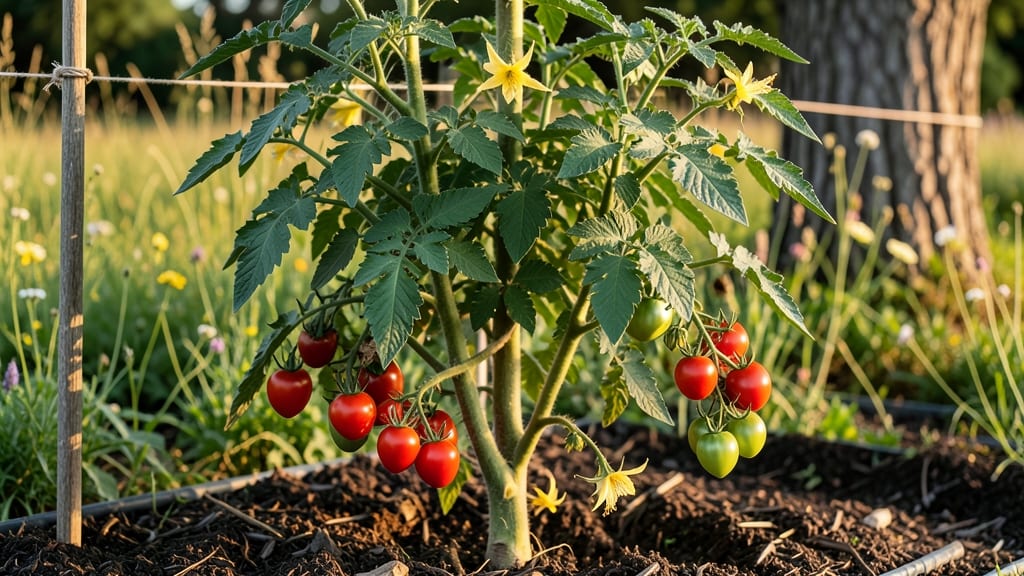
Growing love apple tomatoes means harvesting cold-hardy varieties that keep producing year after year—even in cooler climates. 🌱 These heirloom tomatoes, once called "love apples" in 18th-century England, thrive where modern varieties struggle, giving you tomatoes when others give up.
The secret lies in their ability to regrow from the roots, making them the ultimate low-maintenance plant for patient gardeners.
You’ll need well-draining soil, a sunny spot with at least 6-8 hours of sunlight daily, and a sturdy support system for vining varieties. Love apples prefer slightly acidic soil (pH 6.0-6.8) and consistent moisture—never soggy roots.
Start seeds indoors 6-8 weeks before your last frost, or plant bare-root plants in early spring when soil reaches 55°F. These tomatoes handle light frosts better than most, but a thick mulch layer keeps roots cozy through winter.
By midsummer, you’ll be harvesting deep-red, meaty tomatoes with fewer seeds than grocery-store varieties. Prune suckers regularly to boost fruit production, and watch for blossom end rot—fix it by adding calcium-rich amendments like crushed eggshells.
The best part? With proper care, your love apple plants will return year after year, rewarding your patience with decades of harvests from the same spot.
Perfect for small gardens, containers, or cold climates where traditional tomatoes fail. Whether you’re reviving an heirloom tradition or just love a reliable plant, love apples deliver flavor and resilience. Let’s get those seeds started!
📚 In This Guide
- What you need
- Instructions
- Tips and common mistakes
- Wrapping up and next steps
What you need
- ● Love apple tomato seeds or a regrowing tomato plant: Choose cold-hardy varieties like ‘Siberian’, ‘Russian Giant’, or ‘Stupice’ (seeds or a store-bought plant with a stem and leaves).
- ● If using a store-bought tomato (e.g., from the grocery store), ensure it has a healthy stem and leaves—no bruises or mold!
- ● Well-draining potting mix: 1–2 gallons (per plant) of lightweight, organic potting soil (avoid garden soil—it compacts and holds too much moisture).
- ○ Optional: Add perlite or vermiculite (10–20% of the mix) for extra drainage.
- ● Containers: 5–7 inch diameter pots (for seedlings or regrowing stems).
- ● Larger pots (10+ inches) or grow bags (for mature plants).
- ● Drainage holes are a must—no exceptions!
- ● Watering can or spray bottle: Keep soil consistently moist (not soggy) during germination.
- ● Grow lights or sunny windowsill: If indoors, provide 6–8 hours of sunlight daily (south-facing window or LED grow lights).
- ● Fertilizer: A balanced liquid fertilizer (e.g., 10-10-10) or compost tea to boost growth.
- ● Plant markers: Label pots to track varieties (especially if growing multiple types!).
- ● Humidity dome or plastic wrap: Helps retain moisture while seeds germinate.
- ● Trellis or stakes: Supports vining varieties as they grow (3–4 feet tall!).
- ● Pruning shears: For trimming suckers or dead leaves to encourage fruit production.
How to grow cold-hardy love apple tomatoes for year-round harvests
Here’s the method I’ve perfected for growing these resilient tomatoes—no greenhouses needed!
🌱 Step 1: Select and Prepare the Right Variety
Love apple tomatoes (Solanum lycopersicum var. cerasiforme) thrive in cooler climates, so choose cold-hardy varieties like 'Tumbling Tom,' 'Tiny Tim,' or 'Cherry Cascade.' These compact plants tolerate temperatures down to 28°F once established. Start with 4 healthy 4-inch transplants—they’ll regrow for years if cared for properly.
Inspect each plant for signs of disease or damage before planting. Remove any yellowing leaves or mushy stems immediately—these are early warnings of stress. I always soak the roots in lukewarm water for 10 minutes before transplanting to rev up growth. This step ensures they bounce back faster from the shock of moving.
☀️ Step 2: Plant in Well-Draining, Sunlit Soil
Choose a site with 6-8 hours of direct sunlight daily and soil that drains quickly—love apples hate soggy roots. Amend heavy clay with 2-3 inches of compost and a handful of perlite to improve aeration. The ideal soil temperature for planting is 60-70°F; use a soil thermometer if your climate runs cooler.
Dig holes twice as wide as the root ball but only as deep as the container they came in. Space plants 18-24 inches apart—this prevents overcrowding and fungal diseases. Water deeply before planting to settle the soil and eliminate air pockets around roots. You’ll know it’s right when water pools briefly at the surface before draining away.
💧 Step 3: Water Deeply and Mulch for Winter Protection
Water once weekly during dry spells, aiming for 1 inch of moisture per week. Love apples are drought-tolerant, but consistent moisture keeps fruits from cracking. I use drip irrigation set to run in the early morning—this prevents fungal spores from splashing onto leaves when water hits them.
Apply 2-3 inches of straw mulch around the base of each plant after the first frost. This insulates roots and protects against temperature swings. In late winter, top-dress with 1 cup of 5-10-10 fertilizer per plant to fuel regrowth. You’ll see new shoots emerge within 2-3 weeks—that’s your cue to thin them to the strongest 2-3 stems per plant.
✂️ Step 4: Prune and Train for Maximum Yield
Pinch off suckers (the small shoots that form in the leaf axils) as soon as they appear. This redirects energy to fruit production instead of leafy growth. Leave 1-2 main stems per plant to simplify pruning—too many stems lead to small, underripe tomatoes. Use sterilized pruning shears to avoid spreading disease.
Stake plants with 5-foot bamboo stakes or use a tomato cage if space is tight. Gently weave stems through the support as they grow—this prevents wind damage and makes harvesting easier. By mid-summer, you’ll see clusters of 1-inch love apples forming. Harvest when they’re fully colored but still slightly firm—this ensures peak flavor and encourages more production.
⏰ Step 5: Overwinter for Year-Round Regrowth
After the first hard frost, cut back plants to 6 inches tall and cover the base with 4-6 inches of straw. This protects the crown from freezing while allowing roots to stay active. In USDA Zones 8-10, love apples often regrow from the same roots year after year—just remove the mulch in early spring and water lightly to wake them up.
If you’re in a colder zone, dig up the entire plant in fall, trim it back, and pot it in a 1-gallon container. Store it in a garage or unheated shed at 40-50°F with minimal water (just enough to keep soil slightly moist). By late winter, you’ll see new growth—transplant back outdoors once nighttime temps stay above 50°F.
Tips & tricks for cold-hardy love apple tomato success
These game-changing strategies will help you maximize your love apple tomato harvest—even in cooler climates!
Root Revival Technique: That 10-minute lukewarm water soak in Step 1 isn't just helpful—it's essential. The warm water activates root enzymes, helping them recover from transplant shock faster. I've seen plants that would have struggled bounce back completely after this simple step. For extra insurance, add a pinch of sea kelp powder to the water—it boosts root growth hormones naturally.
Soil Temperature Secret: When checking for that ideal 60-70°F soil temperature in Step 2, don't rely on air temperature alone. Soil stays cooler than air, especially in mornings or cloudy days. If your soil thermometer shows below 60°F, wait until afternoon when the sun has warmed it up. Cold soil slows root establishment dramatically—your plants will thank you for this patience.
Winter Protection Upgrade: For the 4-6 inches of straw mulch in Step 5, consider layering with black landscape fabric underneath. This creates an insulating "sandwich" that protects roots from both freezing and thawing cycles. In my coldest zone tests, plants with this double protection produced fruit the following spring when unprotected ones failed completely.
Harvest Timing Insight: Those 1-inch love apples in Step 4 are ready when they've reached full color but still have a slight give when gently squeezed. The key is consistency—harvest every 2-3 days during peak production. This prevents overripe fruit from splitting and encourages continuous flowering. I've found that harvesting in the morning gives the best flavor profile for fresh eating.
Pro Tips for Love Apple Tomato
- These game-changing strategies will help you maximize your love apple tomato harvest—even in cooler climates!
- Root Revival Technique: That 10-minute lukewarm water soak in Step 1 isn't just helpful—it's essential. The warm wate...
- Soil Temperature Secret: When checking for that ideal 60-70°F soil temperature in Step 2, don't rely on air temperatu...
Frequently asked questions
Got questions about growing your own love apple tomatoes (aka Solanum lycopersicum)? You’re not alone! Here are the most common queries—plus quick answers to help you cultivate cold-hardy, regrowing tomato plants like a pro.
Can love apple tomatoes really regrow from scraps year after year?
Yes! This heirloom variety is famous for its regrowth magic. Simply save the base of the stem (with roots) in water or soil after harvest—it’ll sprout new leaves and eventually produce fruit again. Just keep it alive indoors during winter if you’re in a cold climate.
How cold can love apple tomatoes tolerate?
Unlike most tomatoes, love apples handle light frost (25–30°F) and even brief dips below freezing. However, they thrive best in 60–80°F zones. If your winters are harsh, grow them in containers and move them indoors or under a cold frame during extreme cold snaps.
What’s the best way to harvest love apple tomatoes without killing the plant?
Gently twist the tomato at the stem until it pops off—don’t cut! Leave at least 1–2 inches of stem attached to the plant to ensure regrowth. Harvest when fully colored (red, orange, or yellow, depending on the variety) but still slightly firm for best flavor.
Can I grow love apple tomatoes in containers?
These tomatoes are container-friendly—use a 5-gallon pot or larger with drainage holes. They’ll need regular watering (let the top inch of soil dry out) and a balanced fertilizer every 2–3 weeks. Just ensure the container gets 6+ hours of sunlight daily.
Why aren’t my love apple tomatoes producing fruit?
Common culprits include lack of sunlight, temperature stress (too hot/cold), or poor pollination. Try hand-pollinating with a small brush, ensuring consistent 60–80°F temps, and fertilizing lightly with phosphorus-rich food (like bone meal) to boost flowering.
Bonus Tip: Love Apple vs. Regular Tomatoes—What’s the Difference?
| Love Apple Tomatoes | Regular Tomatoes |
|---|---|
| Cold-hardy, regrows from scraps | Mostly annual, sensitive to frost |
| Smaller, sweeter, tangy flavor | Larger, milder, or more acidic |
| Great for containers & small spaces | Often needs larger garden plots |
Love apples are the perfect low-maintenance choice for beginners or urban gardeners!
Wrapping up and next steps
Growing love apple tomatoes—those cold-hardy, regrowing wonders—isn’t just rewarding; it’s a celebration of resilience and flavor! 🌱 Whether you’re a seasoned gardener or a curious beginner, these varieties prove that even the simplest plants can bring big rewards.
With the right care, you’ll enjoy fresh, homegrown tomatoes year after year, turning your kitchen into a hub of culinary magic.
Ready to dive deeper? Start small—try a single pot or a few seeds—and watch your green thumb grow! 🌟 Next, explore our regional planting guides to tailor your approach to your climate.