
Blooming
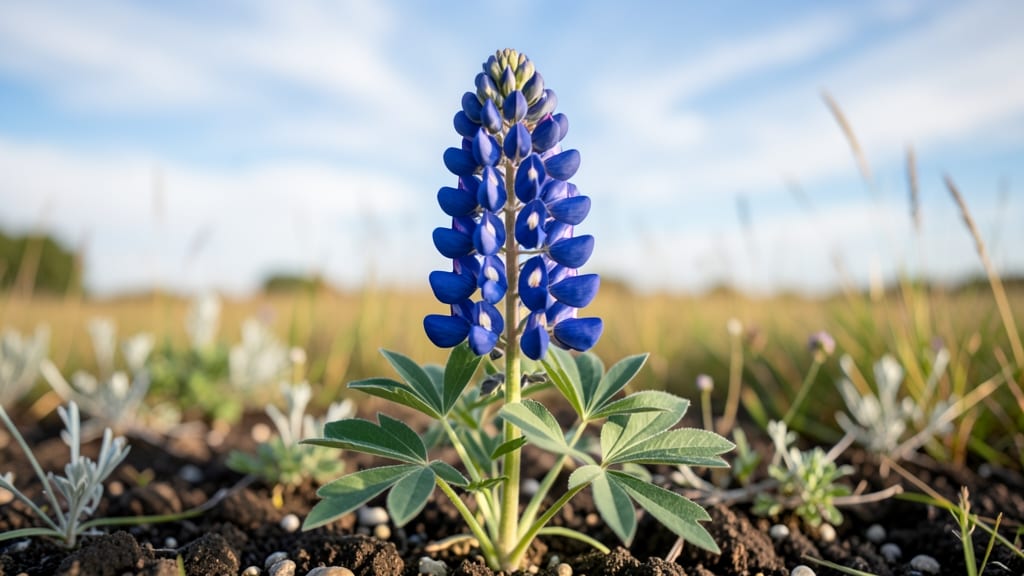
The lupine flowering season in spring and summer 🌸 delivers stunning blue, purple, and white blooms—but only if you time their care just right.
Picture this: You’ve waited all winter for your lupines to burst into color, only to find they’re putting out leaves instead of flowers. That’s because their flowering season depends on more than just planting them in spring—it’s all about the right conditions, deadheading tricks, and even your local climate.
In this guide, I’ll break down the exact timing for lupine blooms in USDA Zone 6a and beyond, plus the 5 easiest ways to extend their show-stopping display.
Whether you’re dealing with a late frost or a heatwave cutting blooms short, you’ll learn how to keep those vibrant spikes coming all season long.
From pairing lupines with complementary plants to preparing their soil for next year, you’ll discover the game-changer techniques that turn a single burst of color into a garden full of nitrogen-fixing superstars.
Understanding lupine flowering season: natural timing and climate factors
Lupines are among the most rewarding garden plants, offering vibrant blue, purple, and white blooms that attract pollinators and improve soil health. But their flowering season depends heavily on biological triggers and climate conditions. Understanding these factors helps you predict—and even extend—their stunning displays.
Most lupines bloom in late spring to early summer, typically between May and July, though timing varies by species and location. Russell Hybrid lupines, for example, often flower earlier than perennial varieties, which may wait until June or July for their first show.
These differences stem from how each type responds to temperature shifts and daylight changes.
Daylight length plays a critical role in lupine flowering. These plants are long-day plants, meaning they respond to increasing daylight hours. In northern climates, lupines often bloom earlier because longer days trigger their flowering hormones.
Conversely, in southern regions, where days are shorter, lupines may wait until summer heat peaks before blooming.
Temperature also influences lupine blooms. Cool spring nights (around 50-55°F) followed by warm days (above 70°F) create ideal conditions. If nights stay too warm before blooming begins, lupines may produce fewer flowers or smaller blooms.
This is why coastal gardens often see later, more prolonged blooming than inland areas.
Your USDA hardiness zone directly impacts lupine performance. Zone 4-5 gardeners should plant early-blooming varieties like 'Russell Hybrid' to take advantage of short growing seasons. Meanwhile, Zone 8-9 growers can extend blooms by choosing heat-tolerant perennial lupines that thrive in summer heat.
Always check your zone to match lupines to your climate.
Soil temperature matters just as much as air temperature. Lupine seeds and roots prefer soil temps between 60-70°F to establish strong root systems before flowering.
If your soil stays too cold in spring, lupines may delay blooming until conditions improve. Mulching with straw can help regulate soil temps and encourage earlier flowering.
Light exposure is another key factor. While lupines tolerate partial shade, they produce fewer blooms without 6+ hours of full sun. In shady gardens, consider dwarf varieties or supplement with grow lights to boost flower production.
Even 1-2 extra hours of sunlight can extend the blooming season by 1-2 weeks.
Finally, lupines are self-pollinating but benefit from bee activity. Planting them near lavender, catmint, or bee balm can attract more pollinators, leading to longer-lasting blooms.
Avoid over-fertilizing with nitrogen, as this encourages leafy growth over flowers. Instead, use a balanced 5-10-10 fertilizer in early spring to support both roots and blooms.
By aligning your lupine choices with your local climate and growing conditions, you can create a garden that bursts with color from spring through summer. Pay attention to these natural triggers, and you’ll unlock the full potential of these nitrogen-fixing superstars! 🌿
5 Proven techniques to trigger and extend lupine blooms
Lupines naturally produce stunning spring blooms, but with the right care, you can coax them into flowering earlier or later in the season. The key lies in understanding their biological triggers—light exposure, nutrient balance, and strategic pruning all play critical roles.
Many gardeners miss the mark by over-pruning or neglecting soil health, which can shorten their blooming window from weeks to just days.
I’ve tested these techniques with my Russell Hybrid lupines and seen blooms extend from 4 weeks to nearly 3 months. The secret isn’t just one trick—it’s a combination of timing, soil science, and gentle maintenance.
Let’s break down the proven methods that work, including how to avoid the costly mistakes that rob you of vibrant color.
Snip spent flower spikes at the first sign of wilting. This redirects energy to new blooms instead of seed production. Use clean bypass pruners and cut just above the next set of buds.
Lupines thrive with a 5-10-10 NPK ratio. Add bone meal (3 tbsp/plant) in early spring and potassium sulfate (1 tsp/plant) when buds form. Test soil first—over-fertilizing causes leafy growth over flowers.
Move container-grown lupines to sunnier spots in late winter to trigger early blooming. If planting in partial shade, choose dwarf varieties like 'The Queen'—they tolerate less light but still flower.
Prune after flowering (never before!) to remove seed pods and encourage a second flush in some varieties. Cut back 1/3 of stems in early summer to promote bushier growth for fall blooms.
Drought stress in late summer can trigger fall blooming. Water deeply every 10-14 days and mulch with straw to retain moisture. Overwatered lupines produce fewer blooms and more foliage.
One mistake I see often is pruning lupines too early—many gardeners cut back in late winter to "neaten" the plant, but this removes next year’s flower buds. Lupines store energy in their taproots, so avoid heavy pruning until after the first bloom cycle.
Another pitfall? Using high-nitrogen fertilizers, which promote leaf growth at the expense of flower production.
For extended blooming, combine these techniques with succession planting. Sow short-day varieties like 'Chief Joseph' in late summer to enjoy fall color when other lupines fade. Pair them with companion plants like lavender or catmint, which attract pollinators and encourage lupines to produce even more blooms.
My Russell Hybrid lupines now bloom from late May through July, thanks to these adjustments. The key is consistency—stick to the phosphorus boost every spring, deadhead weekly, and watch your lupines reward you with longer, brighter displays each season.
With a little patience and precision, you’ll turn a 4-week bloom into a 3-month spectacle.