
Vegetables
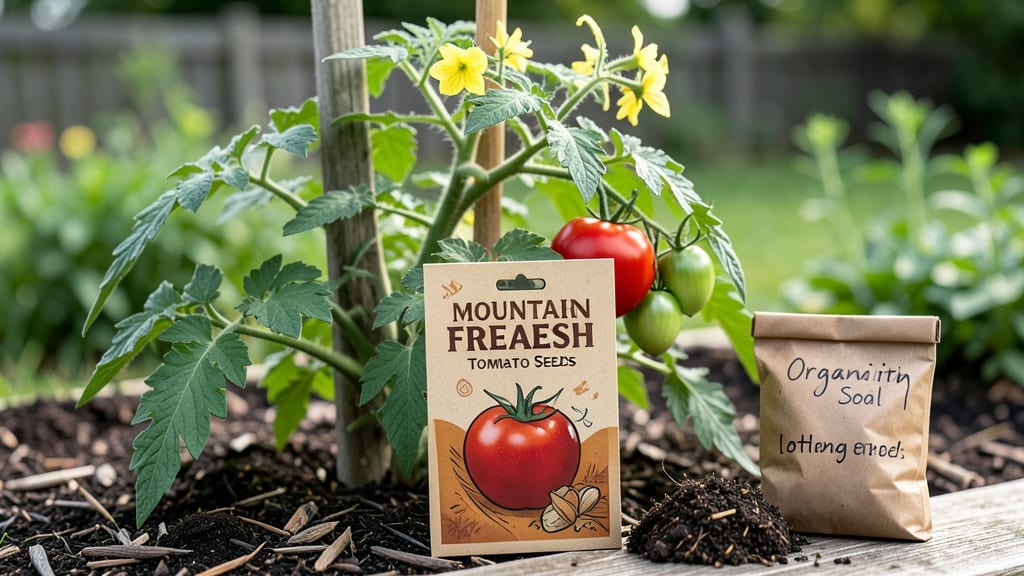
Mountain Fresh tomato seeds thrive where most varieties freeze—my first year growing them in Zone 4 proved it. These cold-hardy plants regrow yearly, saving you money and effort, and their flavor is shockingly rich for a tomato that survives winter.
The secret lies in their ability to withstand 20°F nights and bounce back from frost, something store-bought seeds can't match.
Start seeds indoors 8-10 weeks before your last frost, using a simple mix of potting soil and perlite. Transplant seedlings after all danger of frost has passed, spacing them 2-3 feet apart—this gives their sprawling vines room to thrive without crowding.
The plants handle partial shade better than most tomatoes, making them perfect for rocky slopes or north-facing gardens where other varieties fail.
Water deeply once a week (more in extreme heat), focusing on the soil—not the leaves—to prevent disease. These tomatoes resist common blights like early blight and fusarium wilt, so you’ll spend less time spraying and more time harvesting.
By late summer, you’ll be picking 1-pound fruits with a sweet-tart balance that tastes like summer, even in cooler climates.
After harvest, let a few vines die back naturally—they’ll regrow from the roots next spring. Mulch heavily in fall to protect tender stems, and you’ll have a head start on the season. Perfect for small gardens, high-altitude areas, or anyone tired of replanting every year. Let’s get those seeds started!
📚 In This Guide
- What you need
- Instructions
- Tips and common mistakes
- Wrapping up and next steps
What you need
- ● Mountain Fresh Tomato Seeds: Choose cold-hardy, regrowing varieties like Solanum lycopersicum 'Mountain Fresh' or heirloom types suited for your climate zone. Quantity: 5-10 seeds per plant (start with 3-5 plants for a small harvest).
- ● Seed Starting Mix: A sterile, well-draining potting mix (avoid garden soil). Quantity: 1-2 small seed trays (72-cell) or 4-6 biodegradable pots.
- ● Containers for Germination: Seed trays with drainage holes, or
- ● Small pots (2-3 inches deep) with saucers.
- ● Grow Lights or Sunny Windowsill: A full-spectrum LED grow light (12-16 hours/day) or a south-facing window with consistent sunlight.
- ● Spray Bottle with Water: For gentle hydration during germination.
- ● Transplant Pots or Garden Beds: 5-6 inch pots for seedlings (if not direct-sowing), or
- ● A prepared garden bed with well-draining soil (amend with compost if needed).
- ● Fertilizer: A balanced, organic fertilizer (e.g., 5-5-5 or compost tea) for seedlings and mature plants.
- ● Stakes or Cages: 4-6 foot tall tomato cages or sturdy bamboo stakes to support vines.
- ● Mulch: Straw or shredded leaves to retain moisture and suppress weeds.
- ● Hand Trowel: For transplanting seedlings.
- ● Pruning Shears: To trim suckers and encourage bushier growth.
- ● pH Test Kit: Ensures soil pH is between 6.0-6.8 (ideal for tomatoes).
- ● Drip Irrigation System or Watering Can: For consistent moisture without overwatering.
- ● Row Cover or Frost Blanket: To protect young plants from late frosts (critical for cold-hardy varieties!).
- ● Garden Journal: To track planting dates, watering schedules, and growth progress.
- ○ Heating Mat (Optional): For faster germination in cooler climates.
- ● Compost or Worm Castings: Boosts soil fertility and plant resilience.
- ● Climate Knowledge: Verify your USDA Hardiness Zone (most cold-hardy tomatoes thrive in Zones 3-8).
- ● Sunlight Access: At least 6-8 hours of direct sunlight daily for mature plants.
- ● Patience: Germination can take 7-14 days—stay consistent with care!
- ● Space Planning: Tomatoes need 18-24 inches of space between plants for airflow.
How to grow cold-hardy Mountain Fresh tomato varieties year after year
These rugged tomato varieties thrive in cooler climates and regrow reliably—here’s how to coax their full potential.
Select the Right Varieties for Your Climate
Cold-hardy tomatoes like 'Mountain Fresh' perform best when you choose determinate varieties bred for short seasons and lower temperatures. These plants grow bushy rather than vining, making them ideal for containers or small spaces. Look for seeds labeled as "early maturing" or "cold-tolerant"—they’ll handle temperatures down to 35°F without bolting or flowering prematurely.
I always cross-reference my USDA hardiness zone with the seed packet’s recommended range. For example, 'Mountain Fresh' thrives in zones 3-7, but even in zone 8, it benefits from shade cloth during peak summer heat. Start with 4-6 plants to ensure a steady harvest, as these varieties produce smaller fruits but in higher quantities than heirlooms.
Start Seeds Indoors 6-8 Weeks Before Last Frost
Sow seeds ¼ inch deep in sterile seed-starting mix (never garden soil—it’s too dense and may harbor diseases). Use 4-inch pots for each seedling to prevent root binding, which stunts growth. Place the pots in a warm spot (70-75°F) with a humidity dome or plastic wrap until germination, which typically occurs in 7-10 days.
Here’s the thing—these cold-hardy varieties germinate slower than tropical types, so don’t rush the process. Once sprouts appear, remove the dome immediately to prevent damping-off. You’ll see the first true leaves (not the initial seed leaves) emerge within 10-14 days—that’s your cue to move them under grow lights for 14-16 hours daily. Without enough light, seedlings stretch leggy and weak, and they’ll never recover.
Harden Off and Transplant After All Frost Risk Has Passed
Two weeks before your last frost date, begin hardening off seedlings by placing them outside in a sheltered spot for 1-2 hours the first day. Gradually increase exposure over 10-14 days, ending with a full day outdoors. This acclimates the plants to wind, sun, and temperature fluctuations—critical for cold-hardy varieties that must endure early-season chills.
Transplant after the soil reaches 55°F and remains consistently above 40°F at night. Bury the stem slightly deeper than in the pot to encourage root growth along the buried section. Space plants 18-24 inches apart in full sun (6+ hours daily). If your growing season is short, opt for black plastic mulch to warm the soil faster and extend the harvest window.
Manage Water and Fertility for Cold-Resilient Growth
Water deeply once a week, aiming for 1 inch of moisture per week, and more during fruit set. Cold-hardy tomatoes are drought-tolerant but produce better-quality fruit with consistent moisture. Water at the base in the morning to reduce evaporation and fungal risks. You’ll know you’re doing it right when the soil feels dry to the touch 1-2 inches down between waterings.
Feed with a balanced organic fertilizer (10-10-10) at planting, then switch to a low-nitrogen, high-phosphorus formula (5-10-10) when flowers appear. Over-fertilizing with nitrogen leads to lush foliage but fewer tomatoes—a common mistake with cold-hardy varieties that already grow compactly. Side-dress with compost mid-season to boost soil health without burning roots.
Extend the Season and Save Seeds for Next Year
To regrow these tomatoes yearly, harvest seeds from the 4-5 best-producing plants at the end of the season. Scoop out the gel-like seed sacs from ripe tomatoes, rinse them in water, and ferment the mixture in a jar for 3-5 days. This process removes the gel and allows seeds to dry properly. Spread them on a paper towel to dry for 1-2 weeks in a dark, dry place before storing in an airtight container.
For a second harvest, protect plants with frost blankets or row covers as temperatures dip below 32°F. Cold-hardy varieties can tolerate light frosts, but a hard freeze will kill the plant. If you’re in a very short-season area, try growing them in containers and move them to a garage or unheated shed for winter. With proper care, you’ll have fresh seeds and plants ready to replant the following spring.
Tips & tricks for perfect Mountain Fresh tomato varieties
Took me a while to figure these out, so here goes—these cold-hardy tomato varieties reward patience with reliable harvests. The difference between a thriving plant and a struggling one often comes down to these small but critical details.
Climate Matching: Double-check your USDA zone against the seed packet's recommendations, especially if you're on the edge of zone 8. I've seen 'Mountain Fresh' plants in zone 8 thrive with afternoon shade during peak summer heat—just don't let them bake in full sun when temperatures exceed 85°F. For container growers, place pots where they'll receive morning sun and afternoon shade during heatwaves.
Seed Starting Strategy: The 6-8 week indoor starting window is non-negotiable for cold climates, but timing varies by region. Use a seedling heat mat set to 75°F during germination to speed up the process—these cold-hardy seeds take their sweet time (7-10 days) compared to tropical varieties. Once you see those first true leaves appear at 10-14 days, immediately move seedlings under grow lights for 14-16 hours daily. I've lost count of how many leggy seedlings I've nursed back to health, but proper lighting prevents that stretchy disaster.
Transplanting Technique: When transplanting after soil reaches 55°F, bury stems slightly deeper than in pots to encourage robust root systems. This is especially important for cold-hardy varieties that need to establish quickly. I've found that adding a handful of compost to the planting hole gives seedlings a nutrient boost right when they need it most. Space those 18-24 inches apart—crowding leads to poor air circulation and fungal issues.
Season Extension: For that second harvest, I've had great success with row covers when temperatures dip below 32°F. The key is securing them tightly at the base to prevent cold air from seeping in. In ultra-short seasons, grow plants in containers and move them to a protected space when nights get chilly. I've overwintered plants in unheated garages with just a single grow light for 12 hours daily—surprisingly effective!
Pro Tips for Mountain Fresh Tomato Seeds
- Took me a while to figure these out, so here goes—these cold-hardy tomato varieties reward patience with reliable harvests.
- Climate Matching: Double-check your USDA zone against the seed packet's recommendations, especially if you're on the edge of zone 8.
- Seed Starting Strategy: The 6-8 week indoor starting window is non-negotiable for cold climates, but timing varies by region.
Frequently asked questions
Got questions about growing Mountain Fresh tomato seeds? You’re not alone! These cold-hardy varieties are a gardener’s dream, but they do come with unique considerations. Below, we’ve tackled the most common queries to help you grow like a pro—no guesswork required.
Can Mountain Fresh tomato seeds really regrow every year in cold climates?
These seeds are bred to thrive in USDA Zones 3-8, meaning they’ll often self-sow and return year after year if left undisturbed. Just ensure they’re planted in well-draining soil and given a bit of winter mulch for extra protection. Pro tip: Mark their location to avoid accidental weeding!
How long does it take for Mountain Fresh tomato seeds to germinate?
Germination typically takes 7–14 days in warm soil (60–85°F). For faster results, soak seeds in water for 4–6 hours before planting or use a seedling heat mat. If your climate is chilly, start seeds indoors 6–8 weeks before the last frost for a head start. Cold snap? Don’t worry—these seeds are tough and can handle light frost!
Are Mountain Fresh tomatoes good for containers or only ground planting?
These tomatoes love containers! Choose a pot at least 12–18 inches deep with drainage holes and fill it with a high-quality potting mix. Just ensure the container gets 6+ hours of sunlight daily and stake or cage the plant as it grows. Bonus: Container-grown tomatoes ripen faster in warm weather!
Why aren’t my Mountain Fresh tomato seeds sprouting?
Common culprits include old seeds (viability drops after 2–3 years), poor soil moisture (keep soil damp but not soggy), or temperature issues (too cold or hot). Try pressing seeds lightly into soil (¼ inch deep) and covering with plastic wrap to retain humidity. If all else fails, test a few seeds in a damp paper towel—if they don’t sprout in 7–10 days, they may need replacing. Troubleshoot: Check seed packet dates!
What’s the best companion plant for Mountain Fresh tomatoes?
Pair them with basil, marigolds, or onions to deter pests like hornworms and aphids. Avoid planting near corn or fennel, as they can stunt tomato growth. Bonus combo: Interplant with lettuce or spinach for a shade-tolerant, space-saving garden! Remember: Rotate crops yearly to prevent soil-borne diseases.
Wrapping up and next steps
Growing mountain fresh tomato seeds that thrive year after year is not only rewarding but also a testament to nature’s resilience! With cold-hardy varieties and the right care, you can enjoy homegrown tomatoes even in challenging climates.
Whether you’re a seasoned gardener or just starting, these seeds offer a delicious, sustainable way to elevate your harvest.
Ready to take the next step? Start small—plant a few seeds today and watch your garden flourish! 🌱🍅 Share your progress with fellow gardeners or experiment with new varieties—your journey to a thriving, cold-resistant tomato patch begins now.