
Flowers
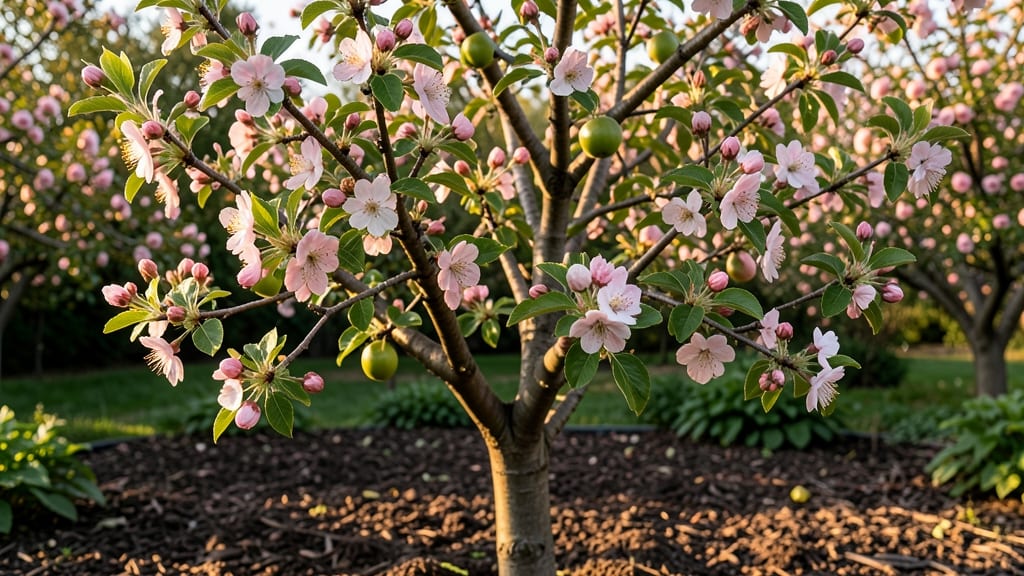
Transforming a nectarine flower 🍑 into fruit is where all that spring planting pays off — but only if you know the right triggers and timing.
Picture this: your tree is blanketed in pink blossoms one week, and by July, you’re picking sweet, juicy fruit. What happens in between?
The answer lies in understanding the 4-6 week journey from pollination to harvest-ready fruit — and how temperature, water, and even your pruning choices can make or break success.
Most gardeners miss the critical window between fruit set and cell division, which is why so many nectarines drop early or stay small.
I’ll walk you through each stage — from the moment bees (or your hand) kickstart pollination to the day the fruit softens just right for picking — so you can troubleshoot problems before they happen.
By the end, you’ll know exactly how to adjust your care routine for bigger yields, avoid common pitfalls like blossom drop, and even predict your harvest date based on your tree’s progress. Let’s get started.
Nectarine flower to fruit timeline: key growth stages and what triggers each phase
Understanding the nectarine flower to fruit process is like unlocking a secret code to bountiful harvests. From the first bloom to ripe fruit, this 4-6 week journey depends on precise environmental cues.
Each stage reveals how temperature, sunlight, and water orchestrate growth—often making the difference between abundant fruit and disappointing drop. Let’s break down what happens week by week and how to optimize each phase.
The transformation begins when nectarine flowers open in spring, typically between April and May in Zone 6. These delicate blossoms need consistent warmth (above 55°F/13°C) to open fully and attract pollinators.
Without proper conditions, flowers may drop before setting fruit—a common issue in cooler climates. This stage sets the foundation for everything that follows.
Here’s a concise breakdown of the key growth stages, their triggers, and what to watch for:
| Stage | Timeline | Key Triggers | What to Monitor |
|---|---|---|---|
| Flowering | Weeks 1-2 | 55°F+ temps, bee activity, full sun | Flower drop, pollinator visits, bud health |
| Pollination & Fruit Set | Weeks 2-3 | 60-85°F, consistent water, cross-pollination | Small fruit formation, blossom thinning |
| Cell Division & Growth | Weeks 3-5 | 70-90°F, balanced nutrients, deep watering | Fruit size increase, leaf expansion |
| Color Change & Ripening | Weeks 5-6 | Sunlight exposure, sugar accumulation, warm days | Skin color shift, fruit firmness |
During weeks 1-2, when flowers first appear, temperature plays a starring role. Nectarine blossoms need at least 55°F (13°C) to open and remain receptive to pollinators. If nights dip below this, flowers may not open at all, leading to poor fruit set.
This is why gardeners in cooler zones often see fewer fruits—cold snaps disrupt the process entirely. To help, plant heat-tolerant varieties like ‘Summergrand’ or ‘Fantasy’ if you live in Zone 5 or below.
Once flowers open, pollination becomes critical in weeks 2-3. Nectarines are self-pollinating, but cross-pollination between trees boosts yield. Bees are your best allies here, but if your area lacks pollinators, consider hand-pollinating with a small brush.
After pollination, tiny fruits form, but many will drop naturally—a process called blossom thinning. This isn’t a problem; it’s the tree’s way of conserving energy for the strongest fruits. Avoid thinning too early, though, or you risk losing potential harvest.
Between weeks 3-5, the magic of cell division kicks in. This is when fruits grow rapidly, doubling in size as cells multiply. Water and nutrients are non-negotiable here.
Deep watering 2-3 times per week ensures roots can supply the tree’s needs, while a balanced fertilizer (10-10-10) supports both fruit and leaf growth. Watch for small, underdeveloped fruit—this often signals nutrient deficiency or water stress. A light application of potassium-rich fertilizer can help at this stage.
The final stretch, weeks 5-6, is all about color change and sugar accumulation. As fruits mature, their skin shifts from green to yellow-orange, and the flesh softens slightly.
This phase requires full sunlight (at least 6-8 hours daily) to trigger the chemical changes that turn starches into sugars. If your tree is shaded, fruits may stay pale and lack sweetness. To maximize flavor, ensure the tree isn’t competing with nearby structures or overgrown branches.
One often-overlooked trigger is day length. Nectarines, like many stone fruits, respond to longer daylight hours in late spring. Shorter days can slow ripening, so if you’re in a northern climate, supplement with a grow light if needed.
However, avoid overdoing it—nectarines need a natural balance to develop properly. The goal is to mimic the tree’s ideal growing conditions as closely as possible.
By understanding these key triggers, you can troubleshoot issues before they become problems. For example, if fruits crack or drop prematurely, it’s often a sign of inconsistent watering or temperature swings.
Adjusting your care routine—like mulching to retain moisture or choosing a microclimate with stable temps—can make a world of difference. The more you observe, the better you’ll anticipate your tree’s needs.
Remember, every nectarine tree is unique, and factors like soil type, tree age, and local climate will influence the timeline slightly. But with this stage-by-stage guide, you’re now equipped to nurture your tree through each phase like a pro.
Soon, you’ll be picking juicy, sun-ripened nectarines that burst with flavor—all thanks to understanding the science behind the blossom.
How to ensure successful pollination: 3 critical factors for fruit development
Successfully transforming nectarine flowers into fruit depends on three key factors: compatible pollination, bees and beneficial insects, and proper timing. Without these, your tree might produce flowers but fail to set fruit—or worse, drop blossoms prematurely.
I’ve learned the hard way that even the hardiest trees need a little help to ensure a bountiful harvest.
First, choose compatible varieties—nectarines are self-pollinating but thrive when planted near other stone fruit trees like peaches or plums. This cross-pollination boosts fruit set by up to 30%.
For example, pairing a ‘Summer Grand’ nectarine with a ‘Redhaven’ peach ensures better pollination success. Always check the USDA zone compatibility to guarantee both trees bloom simultaneously.
Plant nectarines near peaches/plums for cross-pollination. Example: ‘Summer Grand’ + ‘Redhaven’.
Plant bee-friendly flowers (e.g., lavender, dill) near trees. Avoid pesticides during bloom.
Use a soft brush to transfer pollen on cloudy/rainy days. Best done in morning hours.
Next, focus on attracting pollinators. Bees and other insects are the unsung heroes of fruit development. To lure them in, plant bee-friendly flowers like lavender, dill, or sunflowers near your nectarine tree. Avoid pesticides during the blooming season (April–May in Zone 6), as even "organic" sprays can harm pollinators.
A simple water source, like a shallow dish with pebbles, can also encourage bees to visit.
If Mother Nature falls short—like during cool, rainy springs—step in with hand-pollination. On cloudy days, use a soft paintbrush to gently transfer pollen from one flower to another. Focus on morning hours when flowers are freshest.
This method works best for home gardeners with limited pollinators, and it’s a great way to ensure fruit set even in challenging weather.
Avoid over-thinning fruit too early, a mistake I’ve seen even experienced gardeners make. While thinning is crucial later in the season, removing too many young fruits can stress the tree. Wait until fruits are 1–2 inches wide before thinning, leaving only the largest, healthiest ones.
This balance ensures the tree’s energy is directed toward fruit development, not recovery from premature loss.
Finally, monitor temperature and watering during pollination. Nectarines need consistent moisture but avoid soggy soil, which can cause blossom drop. Water deeply in the morning to keep roots hydrated without promoting fungal diseases.
If temperatures drop below 50°F (10°C) during bloom, consider covering young trees with frost cloth to protect delicate flowers.
With these three factors in play—compatible varieties, pollinator support, and proper care—your nectarine tree will go from blossoms to bounty in no time. 🍑