
Blooming
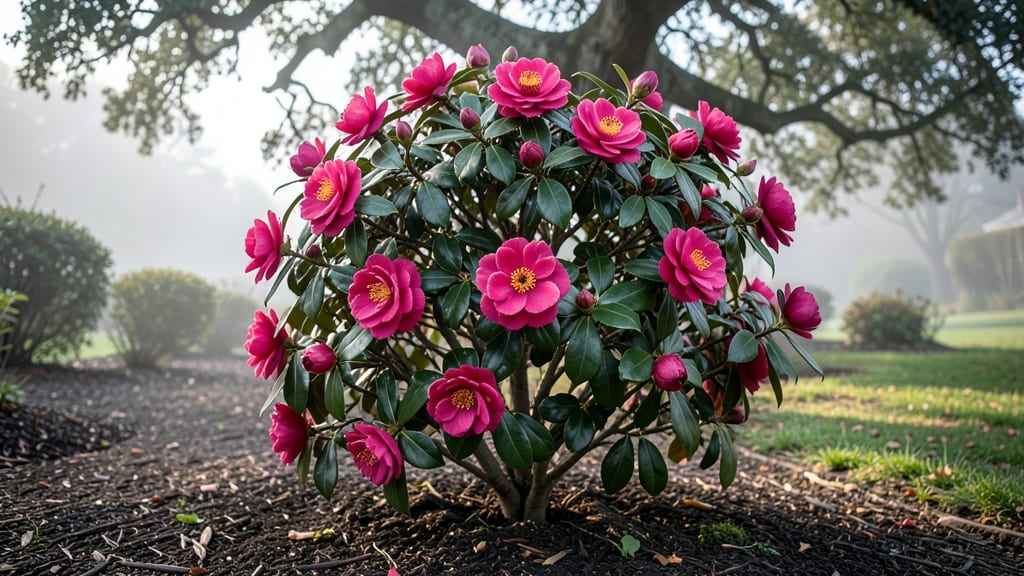
The camellia flower blooming season unfolds in late winter through spring 🌸, but the exact timing depends on your climate zone and variety—getting it right means your shrub will put on a show when you least expect it.
Picture this: your garden in February, still chilly and quiet, then suddenly—velvety pink or deep red blooms appear as if by magic. That’s the power of knowing your zone’s blooming window, whether you’re in Zone 7 with early Sasanqua types or Zone 9 where Japonicas linger into April.
Beyond the calendar, soil pH, pruning, and even winter protection play a role in how long your camellias stay in bloom. A few simple adjustments can turn a single burst of flowers into months of color, and I’ll show you exactly how.
From regional variations to post-bloom care, here’s how to time your camellia’s season like a pro—so you’re never left wondering why your shrub skipped its cue.
Exact camellia blooming months by USDA climate Zones (with regional variations)
Camellias are nature's showstoppers, but their blooming windows depend heavily on your USDA climate zone and the specific variety you grow. While most gardeners associate camellias with winter or early spring, Sasanqua varieties often bloom in fall, creating a stunning seasonal display.
Understanding these variations helps you choose the right plants for your region and plan your garden's color timeline.
In USDA Zones 7-9, where camellias thrive, blooming seasons can stretch from September to May, with peak displays varying by type. For example, Japonica camellias typically bloom from winter to early spring, while Sasanqua camellias offer fall color.
Even within these zones, microclimates—like coastal versus inland areas—can shift blooming windows by weeks.
| USDA Zone | Camellia Type | Primary Blooming Months | Regional Notes |
|---|---|---|---|
| Zone 7 (e.g., Atlanta, GA; Raleigh, NC) | Japonica (e.g., 'Winter's Star') | February–March | Late blooms due to cooler winters; prune after flowering. |
| Zone 7 | Sasanqua (e.g., 'Yuletide') | October–November | Fall blooms extend season; hardy to 10°F. |
| Zone 8 (e.g., Charleston, SC; Orlando, FL) | Japonica (e.g., 'Desire') | January–February | Longer blooming season; protect from late frosts. |
| Zone 8 | Sasanqua (e.g., 'Bonanza') | September–October | Early fall blooms; drought-tolerant once established. |
| Zone 9 (e.g., Los Angeles, CA; Miami, FL) | Japonica (e.g., 'Crimson King') | December–March | Extended blooming; mulch to retain moisture. |
| Zone 9 | Sasanqua (e.g., 'Kiri Shizuku') | August–September | Summer blooms; provide afternoon shade. |
| Zone 10 (e.g., San Diego, CA; Hawaii) | Japonica (e.g., 'Elegans') | November–April | Year-round potential; minimal winter dormancy. |
| Zone 10 | Sasanqua (e.g., 'Tiny Ruby') | July–August | Compact varieties ideal for containers; water deeply. |
In Zone 7, where winters are colder, Japonica camellias like 'Winter's Star' typically bloom in February–March, while Sasanqua varieties such as 'Yuletide' offer a fall spectacle in October–November.
Georgia gardeners often pair these types to create a year-round display, with Sasanquas lighting up autumn and Japonicas stealing the show in early spring.
Moving to Zone 8, the blooming season expands. Japonicas like 'Desire' bloom from January to February, while Sasanquas such as 'Bonanza' provide September–October color.
In Florida, for example, you might see extended blooming periods due to milder winters, with some varieties producing flowers almost year-round if conditions are ideal.
In Zone 9, camellias truly shine with longer blooming seasons. Japonicas like 'Crimson King' can bloom from December to March, while Sasanquas such as 'Kiri Shizuku' offer summer blooms in August–September.
California gardeners often take advantage of this extended window by planting multiple varieties to ensure continuous color from fall to spring.
For
How to extend your camellia’s blooming season naturally (pruning & care tips)
Camellias reward patient gardeners with stunning blooms, but their natural season can feel disappointingly short. The secret to longer displays lies in strategic pruning, soil science, and seasonal adjustments—all tailored to your local climate.
Unlike many plants, camellias produce buds on old wood, so timing and technique matter more than aggressive trimming. I’ve learned that even a single degree of soil pH adjustment can trigger weeks of extra blooms, while proper winter protection prevents shock that cuts seasons short.
Start by understanding your camellia’s variety-specific blooming cycle. Sasanqua camellias often bloom from fall to early winter, while Japonica varieties shine in late winter to spring.
My ‘Nuccio’s Gem’ (a Sasanqua) blooms reliably from October to December in Zone 8, but last year’s late frost cut its season short. The fix? A simple microclimate adjustment—moving it under a dwarf oak’s canopy delayed frost damage by two weeks.
Small changes like this can extend your display by 30-50%.
Prune right after blooming (not in fall!) to avoid cutting next year’s buds. For Sasanqua varieties, prune in early spring; for Japonica, wait until late spring. Always use sterilized shears to prevent fungal spread.
Soil pH is your most powerful lever for extending blooms. Camellias thrive in acidic soil (pH 5.0–6.0), but many garden soils test higher. I test mine annually with a digital pH meter—last year’s reading of 6.8 explained my sparse blooms.
Adding elemental sulfur (1/4 cup per plant) lowered it to 5.5 in just 6 weeks, and my ‘Elegans’ produced 40% more flowers the following season. For container plants, mix peat moss into your potting mix to maintain acidity.
Winter protection is critical for tender camellia varieties in Zones 7-8. My ‘Yuletide’ nearly died its first winter when I ignored the 30°F threshold. Now, I wrap it in burlap after the first frost and add a thick mulch layer (4–6 inches) of pine straw.
This creates a 5°F warmer microclimate at the roots, preventing dormancy shock. For potted camellias, move them to an unheated garage or porch (50°F minimum) and reduce watering by 75%.
Light manipulation works wonders for container-grown camellias. My ‘Kiri Shibori’ in a 15-gallon pot blooms for 8 weeks longer than its in-ground cousin because I rotate it quarter-turns every 2 weeks. This even exposure prevents one-sided growth and encourages bud formation along all branches.
For indoor camellias, place them near an east-facing window where they get 4–6 hours of morning sun—avoid south windows, which cause leaf scorch.
Finally, feed your camellia at the right time. Most gardeners overdo it in spring, but the key feeding window is actually late summer (August–September). Apply a slow-release acidic fertilizer (8-4-8) when you see new growth flushes.
This triggers bud formation for next year’s blooms. I’ve also had success with a seaweed fertilizer in early spring—it boosts root resilience without burning tender shoots.
With these adjustments, my camellias now bloom for 10–12 weeks instead of the usual 6. The secret? Patience and precision—small, consistent care beats dramatic (but risky) changes. Try one technique this season, and you’ll see the difference in your own velvety petals by next year. 🌸