
Planting
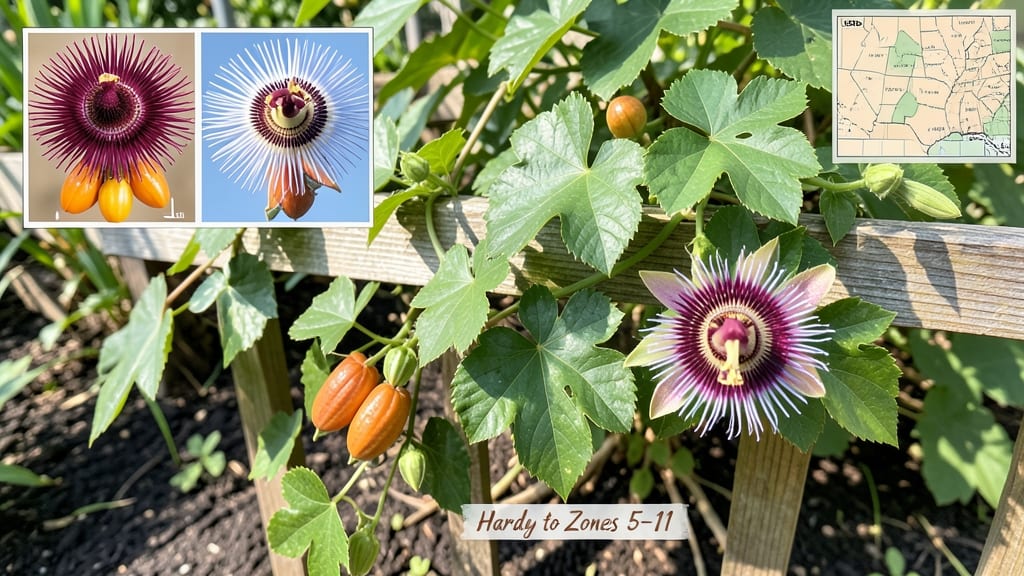
Growing passion flowers thrives in USDA hardiness zones 3 through 11, but knowing your exact zone is the key to avoiding frost damage and maximizing blooms.
Struggling to grow passion flowers in your climate? Discovering the right USDA hardiness zone for your region is the first step to thriving vines and stunning blooms—without costly mistakes.
These tropical vines can handle surprisingly cold temperatures, but varieties like Passiflora incarnata (maypop) are far hardier than tropical species like Passiflora edulis (passionfruit).
Below, I’ll break down how to check your zone, which varieties suit your climate, and proven strategies to extend the growing season in colder regions.
USDA hardiness zones for passion flowers: where they thrive best
Passion flowers (Passiflora species) are stunning vines that thrive in a wide range of climates, but their hardiness varies dramatically. Knowing your USDA hardiness zone helps determine which varieties will survive winter and bloom reliably.
Most passion flowers prefer zones 6-11, but some cold-hardy varieties extend as far north as zone 3 with proper care.
Before planting, check your zone using the USDA Plant Hardiness Zone Map. This interactive tool lets you enter your ZIP code to find your exact zone.
For example, New York City (zone 7b) can grow Passiflora incarnata perennially, while Minnesota (zone 4a) requires winter protection for even the hardiest varieties.
Cold tolerance is the key factor when selecting passion flowers. Most tropical varieties (Passiflora edulis, Passiflora caerulea) die back to the ground in zones 8-10 and must be treated as annuals or overwintered indoors. Meanwhile, Passiflora incarnata (maypop) survives zone 5 winters with mulch and insulation.
Seasonal considerations play a huge role in passion flower success. In zones 6-9, most varieties enter dormancy in winter, dropping leaves but regrowing in spring. Passiflora incarnata in zone 5 may lose foliage but resprouts from the roots if protected from freezing soil.
For zones 10-11, passion flowers grow as evergreen perennials with minimal winter stress. However, even tropical varieties like Passiflora edulis (purple passionfruit) can suffer leaf scorch from 30°F temperatures. In these zones, focus on consistent moisture and full sun exposure to encourage vigorous growth.
If you're in zone 8 or below, consider growing passion flowers in containers for easy winter relocation. Move pots to a garage or shed before temperatures drop below 32°F. This method works well for Passiflora caerulea (blue passionflower), which thrives in zones 6-10 with container care.
Another key factor is spring planting timing. In colder zones (3-7), wait until after the last frost date (typically May 15) to plant seeds or transplants.
In warmer zones (8-11), you can plant year-round, though spring or fall yields the best results for established vines.
For gardeners in transition zones (7b-8a), microclimates make a difference. South-facing walls, greenhouse conditions, or protected courtyards can extend the growing season by 2-4 weeks. Even a 3-foot-tall fence creates enough shelter for Passiflora edulis to overwinter in zone 8.
Remember, hardiness zones are just a starting point. Local factors like altitude, wind exposure, and soil drainage also influence success. Always monitor your plants' response to winter and adjust care accordingly—whether that means adding extra mulch or relocating containers to a sheltered spot.
How to extend passion flower growth in cold climates (zones 3-5)
Living in USDA Zones 3-5 doesn’t mean you have to miss out on growing passion flowers. With the right strategies, you can protect your vines from harsh winters and still enjoy their stunning blooms.
The key lies in understanding how to create a microclimate, use winter protection, and leverage container gardening for flexibility.
Passion flowers like Passiflora incarnata (maypop) are the hardiest varieties for cold climates, but even they need extra care. By selecting the right planting location and implementing protective measures, you can extend the growing season and ensure your vines thrive year after year.
Let’s explore practical techniques that work in colder regions.
- 1 Choose a Microclimate: Plant near south-facing walls or fences to capture extra warmth. These spots can raise temperatures by 10-15°F during cold snaps.
- 2 Use Mulch Heavily: Apply 4-6 inches of mulch around the base in late fall. Straw or shredded leaves insulate roots and prevent soil freeze-thaw cycles that damage vines.
- 3 Container Gardening: Grow passion flowers in large pots (15+ gallons) and move them indoors or to a garage during winter. Use lightweight potting mix to prevent root damage from freezing.
- 4 Winter Protection: Cover vines with burlap or frost cloth when temperatures drop below 20°F. Secure the cover tightly to prevent wind damage and allow airflow to avoid rot.
- 5 Prune Strategically: Cut back dead or damaged growth in early spring before new shoots emerge. This encourages vigorous regrowth and prevents disease buildup from winter damage.
If you’re growing passion flowers in containers, choose varieties like Passiflora caerulea (blue passionflower), which are slightly more cold-tolerant. Move containers to a sheltered spot before the first frost and wrap them in bubble wrap or insulation for extra protection.
This method works especially well for gardeners in Zone 4 or colder.
Another effective strategy is to plant passion flowers near evergreen trees or shrubs. These act as windbreaks and create a warmer microclimate. Additionally, consider using a cold frame or low tunnel to extend the growing season.
These structures trap heat and can push your last frost date back by 2-4 weeks, giving your vines more time to establish.
Remember, passion flowers are perennials in Zones 6-11, but with these techniques, you can successfully grow them in colder zones too. Start by selecting the right variety, then focus on winter protection and microclimate optimization.
With patience and care, you’ll enjoy vibrant blooms even in the coldest climates! 🌱