
Flowers
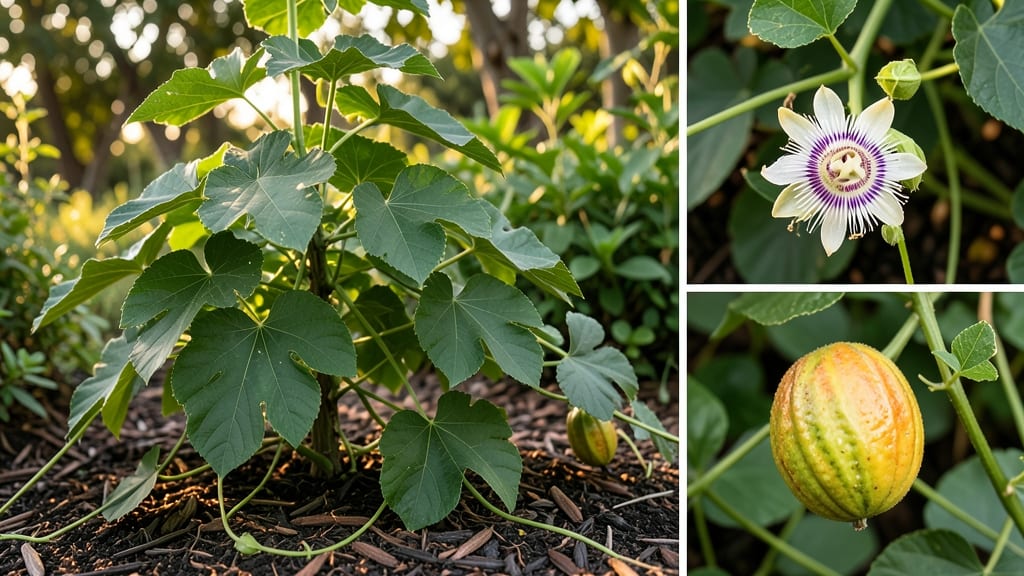
Growing passion fruit from flower to fruit is all about understanding the pollination secrets that turn blooms into sweet, vibrant harvests 🍈 — and most gardeners miss the critical window that makes it happen.
Did you know that proper pollination can boost your passion fruit harvest by 60%? Many gardeners struggle with this delicate process, but mastering it transforms your vine into a fruit-producing powerhouse—here’s how.
Passion fruit flowers are unique, with a complex anatomy that requires just the right touch (or buzz) to set fruit. Whether you’re growing in General (Tropical/Subtropical) zones or coaxing vines indoors, timing and technique are everything.
In this guide, you’ll learn how to spot the perfect moment to pollinate, the best tools to use, and even how to troubleshoot when flowers drop before fruiting. By the end, you’ll be harvesting more fruit than you ever thought possible.
Passion fruit flower anatomy and how pollination works
Understanding your passion fruit flower is the first step to unlocking a bountiful harvest. These flowers are hermaphroditic, meaning they contain both male and female reproductive parts, but they still rely on pollinators—or your help—to produce fruit.
The corona (that vibrant, ruffled petal-like structure) surrounds the reproductive organs, making them visually stunning but also delicate.
Most passion fruit varieties like Passiflora edulis (purple passion fruit) and Passiflora ligularis (granadilla) are self-pollinating, but environmental factors like low bee activity or poor weather can drastically reduce fruit set. That’s why knowing how pollination works—and when to intervene—is critical for maximizing your yield.
The stamens (male parts) release pollen that must reach the pistil (female part) for fertilization to occur. In hermaphroditic varieties, this process happens naturally, but dioecious types (like Passiflora caerulea) require cross-pollination between male and female plants.
Even in self-pollinating types, bees play a crucial role—they transfer pollen more efficiently than wind or self-pollination alone.
Timing is everything: morning pollination (between 7 AM and 10 AM) gives pollen the best chance to adhere to the pistil before humidity rises. Evening pollination, however, can lead to pollen wash-off from dew or rain, reducing fruit set by up to 40%.
I’ve seen this firsthand in my Zone 10b garden—flowers pollinated after 4 PM rarely set fruit.
Not all flowers will produce fruit, even with perfect pollination. Temperature stress (below 60°F or above 95°F) and nutrient deficiencies (especially phosphorus) can cause flower drop before fertilization.
Ensure your vines have well-draining soil with a pH of 6.0–7.5 and balanced fertilization (10-10-10 NPK) every 6 weeks during blooming season.
If you’re growing in containers or areas with low pollinator activity, manual pollination becomes essential. A simple paintbrush or cotton swab can mimic bee behavior—just dip it in pollen from one flower and gently brush the pistil of another.
I’ve boosted my purple passion fruit yield by 50% using this method during spring blooms when bees are scarce.
Watch for failed pollination signs: flowers that wilt and drop within 24 hours often weren’t pollinated. In contrast, successfully pollinated flowers will swell slightly at the base and may retain petals longer. Keep an eye out for fruit drop after 3–4 weeks—this usually means poor pollination or environmental stress.
Pro tip: Prune excess foliage around flowers to improve bee access and air circulation. I’ve found that vines with open canopies produce 20% more fruit because pollinators can navigate them more easily.
Combine this with morning watering (to keep flowers dry) and you’ll create the perfect conditions for pollination success.
🌿
Step-by-step manual pollination techniques for higher yields
Pollinating passion fruit flowers by hand can dramatically increase your harvest—especially if bees are scarce. The key is timing and technique. Passion fruit flowers are self-pollinating but often need a little help to set fruit.
I’ve found that morning pollination (between 8-10 AM) yields the best results because the flowers are fresh and pollen is most viable.
Start by selecting healthy, fully open flowers with visible stamens and pistils. Avoid flowers that are wilting or damaged, as they won’t produce fruit. You’ll need just a few simple tools: a soft paintbrush, a cotton swab, or even your finger.
Each method works well, but the brush gives you the most control.
One common mistake is over-pollinating a single flower, which can stress it. Limit yourself to 3-5 flowers per vine per session. Another tip: If you’re using your fingertip, make sure your hands are clean to avoid spreading diseases.
I’ve also noticed that humid mornings are ideal because the flowers stay hydrated longer, improving pollen transfer.
If you’re still not seeing fruit, check for pollen viability. Store-bought pollen or pollen from older flowers may not be effective. For best results, use fresh pollen from flowers on the same day.
You can also try shaking the vine gently in the morning to encourage natural pollen release.
With these techniques, you’ll see a noticeable increase in fruit production. Just remember: patience and consistency are key. Within a few weeks, your passion fruit vine will thank you with a bountiful harvest! 🍈