
Vegetables
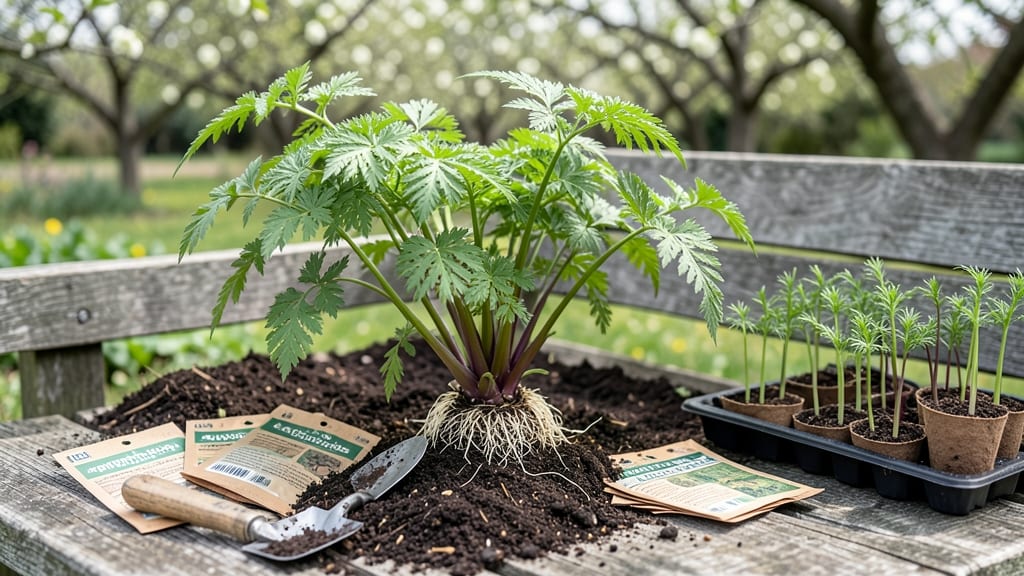
Cold-hardy perennial vegetable seeds are the ultimate game-changer for lazy gardeners like us. 🌱 Once planted, varieties like asparagus and rhubarb return year after year, slashing your work while boosting harvests—no replanting, no starting from scratch.
My first rhubarb crown took three years to mature, but now it produces enough stalks to share with neighbors every spring. The secret lies in patience and soil prep. These plants need rich, well-draining soil with plenty of compost mixed in.
Most thrive in full sun but tolerate partial shade, making them perfect for tricky garden spots. Water consistently during establishment, then let nature take over—drought tolerance improves dramatically after the first year. By year three, you'll harvest bold, vibrant crops with minimal effort.
Asparagus spears emerge in early spring, rhubarb stalks thicken by April, and artichokes reward you with edible buds by summer. The best part? These plants outperform annuals in cold climates, often surviving 10+ years with proper care.
Common challenges like dormancy or pests are easy to manage once you know the tricks. Mulch heavily in winter, watch for slugs in spring, and avoid overwatering. The payoff—decades of harvests from a single planting—makes the initial work worth every minute.
📚 In This Guide
- What you need
- Instructions
- Tips and common mistakes
- Wrapping up and next steps
What you need
- ● Perennial vegetable seeds: Cold-hardy varieties like asparagus (10–15 plants), rhubarb (3–5 crowns), artichokes (3–5 plants), or walking onions (20–30 sets).
- ● Organic, non-hybrid seeds (if available) for best regrowth.
- ● Growing space: Full sun (6+ hours/day) or partial shade (depends on variety).
- ● Well-draining soil (amend with compost if needed).
- ● Space for mature plants (e.g., asparagus needs 18–24" apart).
- ● Tools: Garden trowel or transplanting spade.
- ● Pruners (for harvesting and maintenance).
- ● Garden gloves (to protect your hands!).
- ● Watering can or hose with a gentle nozzle.
- ● Mulch (straw or wood chips) to retain moisture and suppress weeds.
- ● Fertilizer (balanced organic fertilizer or compost tea for established plants).
- ● Row covers or frost cloth (for early-season protection).
- ● Labeling stakes (to track varieties and planting dates).
- ● Drip irrigation system (for consistent watering).
Step-by-Step guide to growing cold-hardy perennial vegetables from seed
Here’s how to transform your garden into a self-sustaining perennial harvest—no replanting required!
🌱 Step 1: Select the Right Perennial Varieties for Your Climate
Start with cold-hardy perennial vegetables like asparagus, rhubarb, or walking onions—these thrive in zones 3-8 and return year after year. Check your USDA hardiness zone to ensure your picks survive winter. I always cross-reference seed packets with local frost dates; some varieties (like Jerusalem artichoke) need 60-90 days to establish before frost.
Look for organic, untreated seeds from reputable suppliers. Avoid hybrid seeds unless labeled "perennial"—many hybrids revert to wild types. For best results, choose open-pollinated varieties, which ensure true-to-type regrowth. I’ve found that asparagus crowns (not seeds) often yield faster, but seeds are cheaper and just as reliable if given proper care.
🌿 Step 2: Prepare the Soil for Long-Term Growth
Perennial vegetables need deep, well-draining soil with a pH of 6.0-7.0. Work in 3-4 inches of compost and a handful of bone meal (for phosphorus) to encourage strong root development. Avoid fresh manure—it can burn tender roots and attract pests. I test my soil annually; perennial crops are finicky about nutrients and won’t forgive poor prep.
Loosen the soil to a depth of 12-18 inches—perennial roots spread deep. If your soil is sandy or clay-heavy, amend with peat moss or coconut coir to improve structure. Water the area thoroughly 24 hours before planting to settle the soil and prevent air pockets around roots.
⏰ Step 3: Plant Seeds at the Correct Depth and Spacing
Most perennial vegetable seeds are tiny and slow to germinate, so precision matters. Plant asparagus seeds ½ inch deep, rhubarb ¼ inch deep, and walking onions ⅛ inch deep. Space seeds 6-12 inches apart—crowding leads to weak stems and disease. I use a seed spacing tool or toothpicks to mark rows, then cover seeds with a light dusting of vermiculite to retain moisture.
Label each row immediately—perennial seedlings take 4-8 weeks to emerge, and you’ll forget what’s what. Water gently with a fine mist to avoid displacing seeds. Keep the soil consistently moist (not soggy) until germination. Real talk: Overwatering here kills more seeds than drought—perennial seeds rot faster than annuals.
☀️ Step 4: Provide Season-Long Care for Establishment
Perennial vegetables need full sun (6-8 hours daily) for the first two growing seasons to build strong roots. Use drip irrigation or soaker hoses to deliver 1 inch of water weekly, adjusting for rain. Mulch with 2-3 inches of straw after germination to suppress weeds and retain moisture. I’ve seen asparagus crowns double in size in their second year with proper mulching.
Fertilize lightly in early spring with a balanced 10-10-10 formula. Avoid high-nitrogen feeds—perennials prioritize root growth over foliage. Watch for voles or slugs in the first year; they adore young perennial shoots. Handpick pests at dusk when they’re most active.
✂️ Step 5: Prune and Protect for Winter Hardiness
In late fall, cut back dead or yellowed foliage to 2 inches above ground level. This prevents disease and helps the plant redirect energy to roots. For asparagus, leave the first year’s growth untouched—harvesting too early weakens the crown. I’ve seen rhubarb survive -30°F with minimal protection, but young plants benefit from a thick layer of leaves or straw mulch for insulation.
Perennial vegetables are low-maintenance after establishment, but first-year care makes or breaks success. If you skip mulching or over-fertilize, you’ll get weak regrowth the following spring. Patience is key—most perennials take 2-3 years to reach full productivity, but the payoff is decades of harvests with zero replanting.
Tips & tricks for growing cold-hardy perennial vegetables
Transforming your garden into a self-sustaining perennial harvest starts with these game-changing strategies that'll set your plants up for success.
Seed Selection Wisdom: When choosing varieties like asparagus or rhubarb, pay special attention to the maturity dates on seed packets. While Jerusalem artichoke needs 60-90 days to establish before frost, other perennials like walking onions can handle shorter seasons. I always verify these dates against my local first frost date—this ensures your plants have enough time to establish strong roots before winter sets in. For maximum reliability, consider starting with asparagus crowns instead of seeds—they establish faster and produce harvestable spears sooner.
Soil Preparation Secret: The 12-18 inch deep soil preparation mentioned in Step 2 is non-negotiable for perennial success. Use a broadfork or digging fork to loosen the soil without turning it over—this preserves soil structure while creating air pockets for root expansion. For heavy clay soils, mix in 2 parts peat moss to 1 part sand to improve drainage. I've found that adding 1 cup of bone meal per 10 square feet of bed goes a long way toward encouraging deep root development, especially for asparagus which needs strong crowns to survive multiple harvest seasons.
Germination Strategy: The 4-8 week germination window for perennial seeds can feel like an eternity, but consistency is key. I've had the most success using seedling heat mats set to 75°F during the germination phase—this speeds up emergence by 2-3 weeks without requiring a greenhouse. Once sprouts appear, transition to bottom watering (placing trays in shallow water) to prevent disturbing delicate seedlings. Remember, these tiny seeds need consistent moisture but zero standing water—perennial seeds rot faster than annuals when overwatered.
Winter Protection Hack: While established rhubarb can handle -30°F temperatures, young plants need extra insulation. Create a mulch volcano around each plant by piling up 12-18 inches of straw in a cone shape, leaving only the top few inches exposed. This creates a microclimate that protects against temperature swings. For additional protection in extreme climates, drape frost cloth over the mulch volcano before the first hard freeze—this simple technique has saved my young asparagus crowns during -20°F winters.
Pro Tips for Perennial Vegetable Seeds
- Transforming your garden into a self-sustaining perennial harvest starts with these game-changing strategies that'll set your plants up for success.
- Seed Selection Wisdom: When choosing varieties like asparagus or rhubarb, pay special attention to the maturity dates on seed packets.
- Soil Preparation Secret: The 12-18 inch deep soil preparation mentioned in Step 2 is non-negotiable for perennial success.
Frequently asked questions
Got questions about perennial vegetable seeds?
You’re not alone! Here are some of the most common concerns—plus straightforward answers to help you grow a low-maintenance, year-after-year harvest.
What’s the easiest perennial vegetable to grow from seed for beginners?
Start with asparagus or rhubarb—both are cold-hardy, forgiving, and thrive in most climates. For faster results, try Jerusalem artichoke (sunchoke), which sprouts aggressively from tubers. Just give them patience (2–3 years for full harvests!) and consistent moisture.
How long does it take for perennial vegetable seeds to produce edible harvests?
Most perennials take 1–3 years to mature, but some (like good King Henry) offer edible greens within weeks. Asparagus crowns may take 2–3 years, while sorrel or walking onion can yield harvests in their first season. Plan ahead—think of it as a long-term investment!
Can I plant perennial vegetable seeds in fall for an early spring harvest?
Many perennials (like rhubarb or strawberries) benefit from fall planting—they establish roots over winter and burst into growth in spring. For seeds, opt for cold-hardy varieties (e.g., winter cress) or sow in late summer/early fall. Just protect young plants with mulch in freezing zones.
Are there perennial vegetables that grow well in containers or small spaces?
Yes! Try walking onions, sunchokes, or microgreens like perennial spinach (e.g., Vitamin A spinach). Even asparagus can thrive in deep pots (18"+). Use lightweight, well-draining soil and rotate containers for even growth. Bonus: Perennials in pots let you move harvests indoors during harsh winters.
Why aren’t my perennial vegetable seeds sprouting? Troubleshooting tips.
Check these first:
- Depth: Most seeds need light—just press them into soil (¼" max). Exceptions: asparagus crowns (1" deep).
- Moisture: Keep soil damp (not soggy) until sprouts appear. A spray bottle helps for tiny seeds.
- Temperature: Some (like rhubarb) need cool temps (40–60°F) to germinate. Use a heat mat if your climate is too warm.
- Age: Old seeds may fail—test viability by soaking in water (floaters = dead). Store seeds in a cool, dry place.
Wrapping up and next steps
Growing perennial vegetable seeds is a game-changer for sustainable, low-maintenance gardening—especially in colder climates! 🌱 These hardy varieties not only thrive year after year but also reduce waste and effort, making them perfect for eco-conscious gardeners.
Whether you're a beginner or a seasoned green thumb, now’s the time to plant with purpose and enjoy a bountiful harvest for seasons to come.
Ready to take the next step? Start small—pick 1-2 cold-hardy perennials to test in your garden this fall, and watch your edible landscape grow! 🌿