
Vegetables
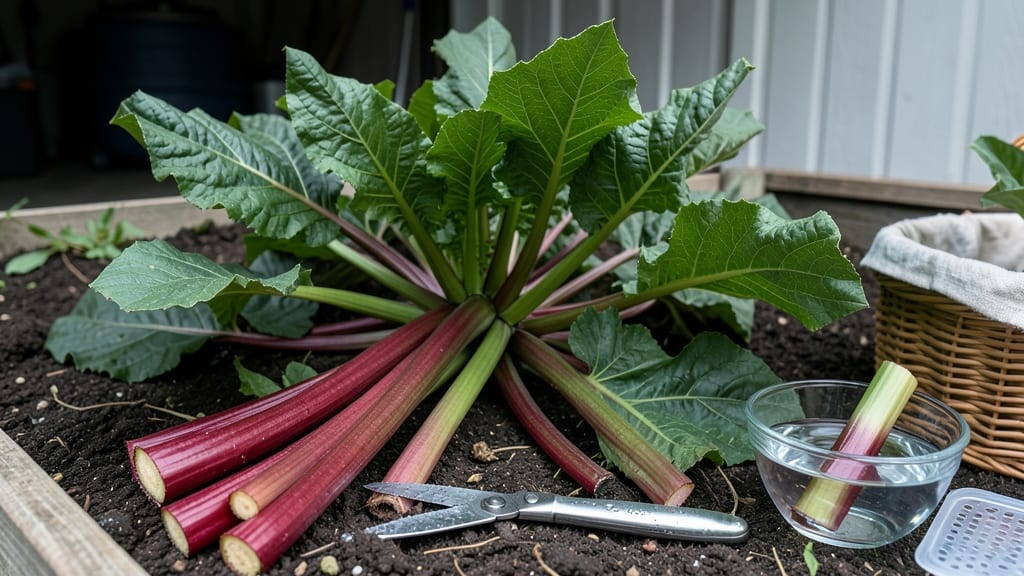
Storing rhubarb properly after picking keeps it crisp and vibrant for weeks—no more mushy stalks or bland flavor. 🌱 I learned the hard way when my first harvest turned to mush in just days, but now I’ve perfected a foolproof cold storage method that preserves rhubarb like it was just picked.
The secret starts with trimming the leaves (they draw moisture) and wrapping stalks loosely in damp paper towels before sealing them in a ventilated plastic bag.
Store them in the crisper drawer of your fridge, where they’ll stay fresh for 2-3 weeks—longer than store-bought rhubarb lasts on the shelf. For even longer storage, blanch and freeze rhubarb in airtight containers. When thawed, it’s perfect for pies, compotes, or smoothies without losing texture.
Just watch for slimy stalks or blackened cut ends—they’re your spoilage warning signs. Avoid washing before storage (moisture speeds up rot) and never stack stalks too tightly in the fridge. With these tricks, you’ll enjoy homegrown rhubarb all season long, even after the harvest ends.
📚 In This Guide
- What you need
- Instructions
- Tips and common mistakes
- Wrapping up and next steps
What you need
- ● Plastic bags (resealable) – 2-3 medium-sized (preferably ziplock or produce bags with ventilation holes).
- ● Paper towels or clean kitchen towels – 1 roll (for drying excess moisture).
- ● Sharp knife or pruning shears – 1 (to trim stalks cleanly).
- ○ Plastic wrap (optional but helpful) – 1 roll (for wrapping individual stalks).
- ● Refrigerator with a crisper drawer – 1 (or a cool, dark pantry if short-term storage is needed).
- ● Labeling marker & sticky notes – 1 each (to track harvest dates).
- ● Wooden crates or perforated storage containers – 1-2 (for long-term dry storage if freezing isn’t an option).
- ● Vacuum sealer – 1 (for extending shelf life beyond 2 weeks).
- ● Freezer-safe bags – 3-4 (if planning to freeze rhubarb for later use).
- ● Hydrogen peroxide (3%) or lemon juice – small bottle (to soak cut ends for freshness).
Step-by-step guide to storing freshly picked rhubarb
Keep your rhubarb crisp and vibrant for weeks with these simple cold storage techniques.
💧 Step 1: Clean and Trim Immediately After Harvest
Rinse the stalks gently under cool water to remove dirt and debris, but avoid soaking them—excess moisture speeds up spoilage. Use a sharp knife to trim off any wilted or discolored leaves and the leafy tops, leaving just the thick, firm stalks. Cut off the bottoms too if they look bruised or damaged.
Here's the thing—don't peel the rhubarb yet. The skin protects the tender flesh inside, so leave it on until you're ready to use it. Pat the stalks dry with a clean towel or paper towels to remove surface moisture. This step is crucial because dampness encourages mold growth in storage.
⏰ Step 2: Bundle and Wrap for Airtight Storage
Gather the stalks into small bundles of 4-5 stalks each (since this serves 4). Wrap each bundle tightly with a damp paper towel—this keeps the rhubarb hydrated without making the storage container soggy. Place the bundles in a single layer inside a plastic bag, then seal it completely.
Don't skip the damp towel—it mimics the natural moisture rhubarb needs while preventing rot. If you see any stalks starting to wilt, give them a quick rinse and rewrap before storing. This method works best when you store the wrapped bundles in the crispest part of your fridge, usually the lower shelves.
🥬 Step 3: Store in the Coldest Part of Your Fridge
Place the sealed bag of rhubarb in the coldest part of your refrigerator, ideally between 32-35°F. The fridge's humidity helps preserve freshness, but check the rhubarb after 2 weeks—it should stay crisp for up to 4 weeks if stored properly.
If you notice any stalks becoming soft or slimy, use them immediately. The key is to avoid temperature fluctuations—don't store rhubarb near the fridge door where warm air cycles in. For even longer storage, freeze the rhubarb after washing and trimming (see tips below).
❄️ Step 4: Freeze for Long-Term Preservation (Optional)
If you won't use the rhubarb within a month, freeze it for up to 12 months. Wash and trim the stalks, then cut them into 1-inch pieces. Spread them on a baking sheet in a single layer and freeze until solid (about 2 hours). Once frozen, transfer the pieces to a labeled freezer bag, squeezing out excess air before sealing.
Here's what I do—label the bag with the date and "rhubarb" in big letters. Thaw frozen rhubarb overnight in the fridge before using it in recipes. The texture changes slightly after freezing, but it still works perfectly in pies, compotes, and baked goods.
🌱 Step 5: Check and Revive Wilted Stalks
If you find a stalk that's lost some crispness, don't toss it. Place the wilted stalk in a glass of cool water for 1-2 hours to rehydrate. This works surprisingly well—just trim off any mushy parts before using. Store revived rhubarb separately from fresh stalks to avoid cross-contamination.
Real talk: rhubarb is tougher than it looks. Even if a stalk looks a little sad, it might still be usable in cooked dishes where texture matters less. The only time you should discard rhubarb is when it develops a sour smell or slimy texture—those are signs of spoilage.
Tips & tricks for storing fresh rhubarb like a pro
These small details make all the difference between rhubarb that lasts weeks and stalks that go limp in days.
The Cleaning Secret: When rinsing your rhubarb stalks, use a colander instead of running them under tap water. This prevents water from pooling at the bottoms where stalks connect, which can cause premature rot. I learned this the hard way after losing half my harvest to mold—those little details matter!
Bundle Size Matters: The instructions mention bundles of 4-5 stalks, but here's the thing: if you have extra-long stalks, trim them to uniform lengths before bundling. This ensures even air circulation around each stalk, preventing hot spots that could cause spoilage. Think of it like organizing your pantry—consistency is key.
Freezing Hack: When prepping rhubarb for freezing, cut the stalks into 1-inch pieces but leave the skin on. The skin acts as a natural barrier that preserves color and texture better after thawing. Plus, frozen rhubarb with skin still attached holds its shape beautifully in baked goods—no more mushy pie fillings!
Temperature Watch: Your fridge's coldest zone is usually the bottom shelf or crisper drawer, but don't assume it's exactly 32-35°F. Use a fridge thermometer for a week to map out your fridge's temperature zones. I found mine runs 5°F cooler on the bottom shelf—this knowledge helps me store rhubarb in the perfect spot every time.
Pro Tips for Store Rhubarb After Picking
- These small details make all the difference between rhubarb that lasts weeks and stalks that go limp in days.
- The Cleaning Secret: When rinsing your rhubarb stalks, use a colander instead of running them under tap water. This p...
- Bundle Size Matters: The instructions mention bundles of 4-5 stalks, but here's the thing: if you have extra-long sta...
Frequently asked questions
Got questions about keeping your rhubarb fresh? You’re not alone! Here are some of the most common concerns—and straightforward answers to help you preserve that tart-sweet harvest like a pro.
How long can I store rhubarb in the fridge?
Freshly picked rhubarb stays crisp for up to 2 weeks in the fridge when stored properly. Wrap stalks loosely in a damp paper towel, place them in a perforated plastic bag, and store them in the crisper drawer. Avoid washing until ready to use—moisture speeds up spoilage!
Can I freeze rhubarb instead of refrigerating it?
Freezing is a great way to extend rhubarb’s shelf life for 6–12 months. Trim the ends, blanch stalks for 2–3 minutes, cool in ice water, drain, and freeze in airtight containers or bags. For convenience, chop and freeze in portions—perfect for pies and compotes later!
What’s the best way to tell if rhubarb has gone bad?
Discard rhubarb if you notice slimy texture, mold, or an off (fermented) smell. Stalks should also snap crisply when bent—if they feel mushy or wrinkled, it’s time to compost them. When in doubt, trust your nose!
Can I store rhubarb at room temperature?
Nope! Rhubarb spoils quickly at room temp (within 1–2 days). The high moisture content makes it prone to bacterial growth. Always refrigerate or freeze to keep it fresh. If you’re short on fridge space, a cool pantry (50°F or below) works as a temporary fix for a day or two.
How do I prep rhubarb for long-term storage?
For maximum freshness, trim the leafy tops (they’re toxic!) and the woody ends before storing. Rinse only if dirty, then pat dry gently. Group stalks in small bundles (like a bouquet) and wrap them in a damp cloth or paper towel—this mimics the humidity they’d get in the garden.
Wrapping up and next steps
Storing rhubarb properly is the secret to keeping its vibrant flavor and crisp texture for weeks—whether you’re prepping for pies, smoothies, or fresh salads! 🌱 By following these cold storage tips, you’ll avoid waste and enjoy homegrown rhubarb like a pro.
Now that you’re armed with the know-how, why not experiment with a new recipe? Try freezing extra stalks for winter baking or sharing your harvest with neighbors—because great storage leads to even greater culinary adventures!