
Vegetables
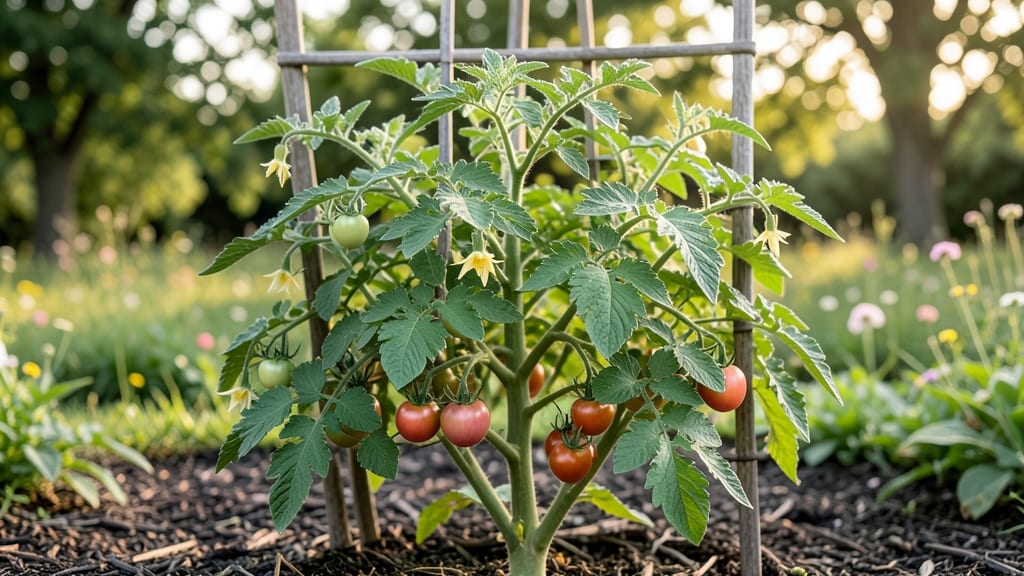
Growing Chef's Choice Pink tomatoes changed how I think about tomatoes—no more annual replanting, no more fussing over frost dates. 🌱 This cold-hardy perennial actually survives winter in zones 5-9, then bursts back with sweet, pink-fleshed fruit every season if you give it the right start.
The secret lies in its roots: plant it in well-draining soil with plenty of organic matter, and it rewards you with 3-4 foot vines that produce 2-3 pounds of tomatoes per plant. Unlike annuals, these thrive with less water once established—just keep the soil moist during fruiting season.
You'll harvest from mid-summer through fall, with flavors that balance tartness and sugar perfectly. The plants handle heat better than most, and their indeterminate growth means you get a steady supply instead of one big flush.
Perfect for gardeners who hate replanting every year or want to grow tomatoes in containers—just give it a sturdy trellis or cage. Here's how to make it work for you.
📚 In This Guide
- What you need
- Instructions
- Tips and common mistakes
- Wrapping up and next steps
What you need
- ● Seeds or Seedlings: 1–3 chef’s choice pink tomato seeds (or 1–2 seedlings from a trusted nursery).
- ● Growing Containers or Garden Beds: Option 1: 5-gallon pots or larger (minimum 18" deep) for container growing.
- ● Option 2: Well-draining garden bed with full sun exposure (6+ hours/day).
- ● Soil: 1–2 bags of high-quality potting mix (or garden soil amended with compost).
- ● Perlite or vermiculite (1 cup per container) for drainage.
- ● Fertilizer: Balanced tomato fertilizer (10-10-10 or 5-5-5) or compost tea.
- ● Support System: 1–2 tomato cages (5–6 ft tall) or bamboo stakes.
- ● Watering Supplies: Watering can or hose with a gentle spray nozzle.
- ● Mulch: Straw or shredded leaves to retain moisture.
- ● Pruning Shears: For shaping plants and removing suckers.
- ● Row Covers: Lightweight fabric to protect seedlings from pests.
- ● pH Test Kit: To ensure soil pH is between 6.0–6.8 (ideal for tomatoes).
- ● Drip Irrigation Kit: For consistent watering in larger gardens.
Step-by-step instructions for growing chef's choice pink tomatoes
Here's the simple method I use to grow these cold-hardy, flavor-packed tomatoes with minimal fuss.
🌱 Step 1: Choose the Right Location and Prepare the Soil
Chef's Choice Pink thrives in full sun—at least 6-8 hours daily—but its cold-hardiness means you can plant earlier than regular tomatoes. Pick a spot with well-draining soil; these tomatoes hate soggy roots. Amend heavy clay with 2-3 inches of compost mixed into the top 12 inches of soil.
I dig a hole about 18 inches deep and wide, then fill it halfway with compost. This gives the roots plenty of room to establish before summer heat sets in. If your soil is sandy, add a handful of organic matter to help retain moisture.
☀️ Step 2: Plant at the Correct Depth and Spacing
Set the plant deep—bury ⅔ of the stem below soil level. The buried stem will develop roots, creating a stronger plant. Space plants 24-36 inches apart in rows 36 inches apart to allow airflow and reduce disease risk.
Water deeply before planting to settle the soil around the roots. I like to firm the soil gently with my hands to eliminate air pockets. Mulch with 2-3 inches of straw or shredded leaves right after planting to conserve moisture and keep roots cool.
💧 Step 3: Water Consistently and Fertilize Lightly
Water at the base 1-2 inches per week, letting the soil dry slightly between waterings. Overwatering leads to blossom-end rot, so check soil moisture by sticking your finger 1 inch deep—if it feels dry, it's time to water.
Feed with a balanced organic fertilizer (5-5-5) every 4-6 weeks starting when flowers appear. Too much nitrogen makes leaves grow fast but reduces fruit quality. I switch to a low-nitrogen, high-phosphorus fertilizer once fruiting begins to boost sweetness.
✂️ Step 4: Prune and Support for Maximum Fruit Production
Remove suckers (small shoots in the leaf axils) to direct energy to fruit production. Prune in the morning so wounds have time to dry before evening moisture sets in. Leave 2-3 main stems for a balanced plant.
Install a cage or stake at planting time—these tomatoes get heavy with fruit. I use 5-foot tall tomato cages for support. Pinch off the first few flowers if the plant looks stressed; it's better to build a strong structure first.
🍅 Step 5: Harvest and Extend the Season
Pick tomatoes when they're fully colored but still slightly firm. Chef's Choice Pinks ripen over time, so check plants every 2-3 days in peak season. Store unripe fruit in a cool, dark place to finish ripening.
This cold-hardy variety often produces into fall. In colder climates, I cover plants with row fabric at night to protect them from early frosts. The longer you leave them, the sweeter the flavor becomes—just don't let temps drop below 28°F.
Tips & tricks for perfect chef's choice pink tomato growth
These little-known strategies will help you coax the most flavor and productivity from your cold-hardy tomato plants.
Sunlight Strategy: While Chef's Choice Pink thrives with 6-8 hours of sun daily, I've found that morning sun (before 10 AM) is especially important for these tomatoes. The cooler morning light helps prevent sun scorch on the tender fruit. If you're in a hot climate, consider providing afternoon shade during peak summer months to maintain that perfect balance.
Soil Preparation Secret: The 2-3 inches of compost we mix into the top 12 inches of soil isn't just about nutrients—it's about creating the perfect moisture-retaining environment. I like to add a handful of perlite to sandy soils to improve water retention without compacting the roots. This helps maintain that crucial 1-2 inches of weekly watering without overwatering, which is especially important for preventing blossom-end rot.
Planting Depth Technique: Burying ⅔ of the stem might seem counterintuitive, but this creates a stronger root system. I've found that using a 1-inch thick layer of compost around the buried stem helps encourage root development at that depth. This technique gives you a more robust plant that can handle the cold-hardiness this variety is known for.
Fertilizer Timing: The switch from balanced 5-5-5 fertilizer to low-nitrogen, high-phosphorus when fruiting begins is crucial for sweetness. I like to make this transition when I see the first green tomatoes forming. This timing helps direct the plant's energy toward fruit development rather than leaf growth, which is exactly what we want for those flavor-packed Chef's Choice Pinks.
Pro Tips for Chef'S Choice Pink Tomato
- These little-known strategies will help you coax the most flavor and productivity from your cold-hardy tomato plants.
- Sunlight Strategy: While Chef's Choice Pink thrives with 6-8 hours of sun daily, I've found that morning sun (before ...
- Soil Preparation Secret: The 2-3 inches of compost we mix into the top 12 inches of soil isn't just about nutrients—i...
Frequently asked questions
Got questions about growing Chef’s Choice pink tomatoes? You’re not alone! Here are some of the most common queries—plus quick, no-fuss answers to help you cultivate these cold-hardy beauties with confidence.
How cold-hardy is the Chef’s Choice pink tomato compared to other varieties?
The Chef’s Choice pink tomato is one of the most cold-resistant tomato varieties, surviving light frosts down to 15°F (-9°C)! Unlike most annual tomatoes, it thrives as a perennial in USDA zones 5–10, making it a low-maintenance favorite for gardeners in cooler climates. Just protect young plants from sudden freezes with row covers or mulch.
How long does it take for Chef’s Choice pink tomatoes to produce fruit?
Expect your first pink tomatoes about 60–70 days after transplanting (varies by climate). In warmer zones, they may fruit earlier, while cooler areas might see a slightly delayed harvest. Patience pays off—these tomatoes keep producing well into fall, often until the first hard frost.
Can I grow Chef’s Choice pink tomatoes in containers? If so, what size pot do I need?
These tomatoes thrive in 5-gallon containers or larger (at least 12–18 inches deep). Use well-draining soil mixed with compost, and stake or cage the plant for support. Just ensure the pot gets 6+ hours of sunlight daily—containers dry out faster, so water consistently.
Why aren’t my Chef’s Choice tomatoes ripening—are they diseased or just slow?
Pink tomatoes often ripen slower in cool weather, but check for these red flags: Yellow leaves = overwatering; spotted fruit = fungal issues (prune affected areas); blossom end rot = calcium deficiency (add crushed eggshells or lime to soil). If the plant is otherwise healthy, just wait—fall’s cooler temps can slow ripening.
Are Chef’s Choice pink tomatoes self-pollinating, or do I need to hand-pollinate them?
Great news—they’re self-pollinating! You won’t need to shake the flowers or use a brush. However, light vibrations (like a gentle tap on the plant) can boost pollination if your garden is very still. These tomatoes are also determinate, meaning they produce fruit in clusters all at once—perfect for canning or fresh eating!
Pro Tip: Extend your harvest!
To keep producing tomatoes late into the season, prune suckers (small shoots in leaf axils) and mulch heavily to insulate roots. Harvest green tomatoes in fall and ripen them indoors with a banana or apple nearby (ethylene gas speeds up ripening!).
Wrapping up and next steps
Growing chef’s choice pink tomatoes is a rewarding journey that blends resilience with delicious results—no green thumb required! 🌱 These cold-hardy perennials thrive with minimal fuss, offering year-after-year harvests of sweet, vibrant fruit.
Whether you’re a seasoned gardener or a curious beginner, this variety proves that growing gourmet tomatoes is simpler than ever.
Ready to level up your garden? Start by planting just one this season—then watch (and taste!) the difference. Happy growing! 🍅✨