
Vegetables
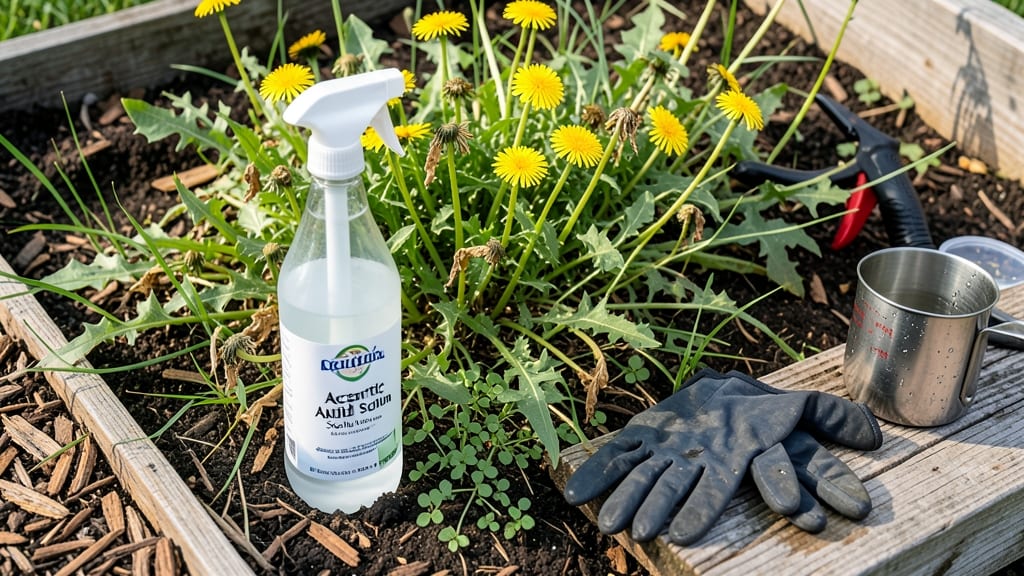
Using vinegar for weed killer works in minutes—if you apply it correctly. 🌱 I’ve sprayed my walkways with it for years, and while it’s not a magic bullet, it works fast for spot treatments—especially on young weeds and driveways where you don’t want to dig. The key is timing, concentration, and knowing what it won’t kill. You’ll need white vinegar (5% acetic acid), a spray bottle, and a sunny day for best results. Mix it straight or dilute with water (1:1 ratio for sensitive areas), but avoid spraying near desirable plants—vinegar doesn’t discriminate. For stubborn weeds, a second application in 24 hours often does the trick. What you’ll get is instant wilting within hours, followed by crispy weeds that crumble away in days. It’s chemical-free, budget-friendly, and works best on small patches where you can target weeds directly. Just don’t expect miracles on thick root systems or lawns—it’s a spot-treatment tool, not a replacement for herbicide. For tougher weeds or larger areas, consider pairing vinegar with boiling water or a vinegar-salt-dish soap mix. And always test a small area first—some surfaces (like stone or concrete) might stain. Ready to give it a try?
📚 In This Guide
- What you need
- Instructions
- Tips and common mistakes
- Wrapping up and next steps
What you need
- ● White vinegar – 5 gallons (19 liters) or more (distilled vinegar with 5-10% acetic acid works best; avoid flavored or colored vinegars). Pro tip: 💡 Check the label for acidity—higher % = stronger weed kill!
- ○ Spray bottle or garden sprayer – A 1-gallon (3.8L) pump sprayer with a fine mist nozzle for even coverage. Optional: 🌡️ Add a 16oz (473mL) spray bottle for small spot treatments.
- ○ Dish soap (optional but recommended) – 1-2 tablespoons (like Dawn) to help the vinegar stick to weeds.
- ○ Salt (optional but effective) – 1 cup (250g) (for tough weeds; adds extra drying power).
- ● Gloves – Nitrile or rubber gloves (vinegar can irritate skin!).
- ● Sunny day & patience – Weeds need 24-48 hours of direct sunlight to fully die off.
- ● Garden trowel or hoe – For loosening soil before spraying (helps vinegar penetrate roots).
- ● Plastic or metal container – A 5-gallon bucket for mixing large batches.
- ● Newspaper or cardboard – To protect nearby plants from accidental spray.
- ● Watering can (with a fine rose) – For diluting vinegar if you prefer a gentler mix.
- ● Label maker or tape – To mark treated areas (vinegar can harm desirable plants too!).
Step-by-step instructions for using vinegar as a weed killer
Here's the straightforward method I use to tackle stubborn weeds without harsh chemicals.
💧 Step 1: Choose the Right Vinegar and Prepare Your Workspace
Grab a bottle of undiluted white vinegar—the higher the acidity (around 5% acetic acid), the better it works. I always use household white vinegar because it's strong enough for most weeds without being overly expensive. Fill a spray bottle with the vinegar, leaving about 1 inch of space at the top to avoid spills.
Clear the area of any plants or mulch you want to protect. Vinegar doesn’t discriminate—it’ll kill whatever it touches. Lay down cardboard or newspaper around the weeds if they’re near desirable plants, and weigh it down with rocks or bricks. This acts as a barrier to prevent accidental damage.
✂️ Step 2: Target the Weeds at the Right Time
Wait for a sunny, dry day to apply the vinegar. The sun helps dry out the weeds faster, making the treatment more effective. Focus on young, small weeds first—they’re easier to kill and won’t require multiple applications. For larger weeds, you’ll need to be patient and might need to repeat the process.
Spray the vinegar directly onto the leaves of the weeds until they’re saturated but not dripping. Avoid spraying the soil around the roots unless the weed is deeply embedded—vinegar can alter soil pH and harm future plantings. If you miss a spot, the weed will likely regrow, so aim for full coverage.
☀️ Step 3: Monitor and Reapply as Needed
Watch the weeds over the next 24-48 hours. You’ll see them wilting and turning brown as the vinegar breaks down their cell structure. For most weeds, this process takes about 3-5 days. If any weeds survive, they’re likely too large or deeply rooted—spray them again with fresh vinegar.
For tough weeds like dandelions or clover, you might need 2-3 applications, spaced 3-4 days apart. The key is persistence. I’ve found that reapplying in the late afternoon gives the vinegar the best chance to work overnight, especially in cooler weather.
🌱 Step 4: Clean Up and Prevent Regrowth
Once the weeds are completely brown and crispy, pull them out by the roots. This prevents them from reseeding or regrowing. Use a garden fork or weeding tool if the roots are stubborn—vinegar weakens them, making them easier to remove. Discard the weeds in the trash, not the compost, since they’re dead and could spread seeds.
To keep new weeds at bay, apply a layer of mulch (like straw or wood chips) around your plants. This blocks sunlight and makes it harder for weeds to take root. I also like to water the area lightly after treating weeds—this helps rinse any residual vinegar from the soil and prevents it from lingering too long.
Tips & tricks for effective vinegar weed control
These simple but powerful tricks will help you get the most out of your vinegar weed killer—without wasting time or effort.
Acidity Matters: While household white vinegar works, you can boost effectiveness by using higher-acidity vinegar (5-10% acetic acid) if available. I've found that 5% vinegar works well for most weeds, but for tougher varieties like dandelions, the extra strength makes a noticeable difference. Just remember—higher acidity means more care around plants you want to protect.
Timing Secret: The instructions mention waiting for a sunny, dry day, but here's what nobody tells you—morning applications work best because the sun is strongest later in the day. I've noticed that spraying in the late morning gives the vinegar the full day to work its magic before evening cools down. Also, avoid spraying when dew is present—the vinegar will dilute and lose effectiveness.
Targeting Technique: When spraying in Step 2, focus on the leaves and stems rather than just the leaves. For weeds with broad leaves like dandelions, aim for the underside where the vinegar can work more efficiently. I've found that a light mist on the underside plus a heavier application on top gives better coverage. For deeply rooted weeds, you might need to spray the base of the stem as well—just be extra careful not to get vinegar on surrounding soil.
Monitoring Hack: Instead of just watching for browning, look for a slight yellowing first—this is your signal that the vinegar is working. I've learned to check weeds 24 hours after application to see this early sign. If you see yellowing but not full browning after 48 hours, that's when you know you need to reapply. This early monitoring helps you catch and treat regrowth before it becomes established.
Pro Tips for Using Vinegar For Weed Killer
- These simple but powerful tricks will help you get the most out of your vinegar weed killer—without wasting time or e...
- Acidity Matters: While household white vinegar works, you can boost effectiveness by using higher-acidity vinegar (5-...
- Timing Secret: The instructions mention waiting for a sunny, dry day, but here's what nobody tells you—morning applic...
Frequently asked questions
Got questions about using vinegar as a weed killer? You’re not alone! Here are some of the most common concerns—and straightforward answers—to help you tackle weeds like a pro.
How long does it take for vinegar to kill weeds?
Vinegar typically kills weeds within 3 to 7 days after application, depending on the weed type, vinegar concentration, and weather conditions. For best results, apply on a sunny day when weeds are actively growing. You’ll often see wilting within 24 hours, but full death may take a bit longer.
What’s the best time of day to spray vinegar for weed control?
The ideal time is late morning or early afternoon—when weeds are dry and the sun is strong. This helps the vinegar absorb faster and maximizes its effectiveness. Avoid spraying in extreme heat (over 90°F/32°C) or when rain is forecasted within 24 hours, as water can dilute the solution.
Will vinegar kill grass too? How can I protect my lawn?
Yes, vinegar can harm grass if not used carefully. To protect your lawn, spot-treat weeds only and avoid overspray. For precise application, use a paintbrush or spray bottle with a fine nozzle. If you’re treating weeds near grass edges, apply vinegar only to the weed leaves and avoid the grass blades.
How often do I need to reapply vinegar for stubborn weeds?
For persistent weeds, reapply vinegar every 7 to 10 days until the weed is completely gone. Some deep-rooted weeds (like dandelions) may require multiple treatments. If the weed regrows, it likely means the roots are still alive—keep at it! For faster results, combine vinegar with salt or dish soap for a stronger solution.
Are there safer alternatives if vinegar doesn’t work for my weeds?
If vinegar isn’t cutting it, try these natural alternatives:
- Boiling water: Pour directly on weeds (great for driveways and cracks).
- Corn gluten meal: A pre-emergent herbicide that prevents weed seeds from sprouting.
- Manual removal: Pull weeds by hand (best for small patches).
- Mulch or landscape fabric: Blocks sunlight and stops weed growth over time.
What should I do if vinegar damages my plants?
If vinegar accidentally touches desired plants, rinse the area immediately with water. Vinegar’s acidity can burn leaves, so always test a small, hidden spot first. For extra safety, mix vinegar with water (1:1 ratio) to reduce potency. If damage occurs, trim affected leaves and monitor the plant’s recovery.
Wrapping up and next steps
Using vinegar as a natural weed killer is a simple, cost-effective, and eco-friendly way to tackle unwanted plants in your garden. With just a few household ingredients and minimal effort, you can reclaim your space without harsh chemicals. Give it a try—your garden (and the planet) will thank you!
Ready to take the next step? Start small:
- Test on a small patch first to see results.
- Experiment with ratios for tougher weeds.
- Share your success (or tips!) with fellow gardeners.