
Vegetables
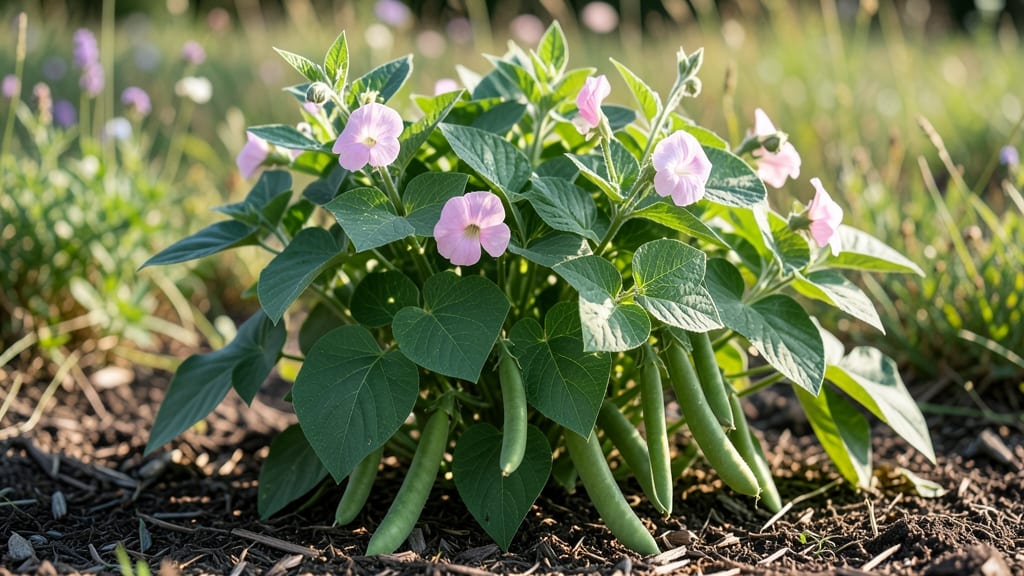
Pink green beans—like the stunning Scarlet Runner Bean—aren’t just edible, they’re showstoppers that climb like vines and bloom in vibrant pink. 🌸 I’ve grown them for years, and the secret to their winter survival starts with planting depth—something most guides skip.
These aren’t your typical annual beans; with the right technique, they’ll return year after year, rewarding you with both beauty and harvests. The magic happens in well-draining soil mixed with compost, planted 1-2 inches deep and 10-12 inches apart along a sturdy trellis.
They crave full sun (6+ hours daily) and consistent moisture, but overwatering is the fastest way to lose them—especially in their first season. Beginners often mistake their slow start for failure, but patience pays off: by midsummer, you’ll have 6-foot vines draped in flowers and pods.
What you’ll end up with is a doubly productive plant—edible beans and ornamental blooms that hummingbirds adore. The pods taste best when harvested young, but even left to dry, they’re a striking addition to winter arrangements. Plus, their perennial roots mean less replanting work for you.
Here’s the twist: mulch heavily in fall to protect those roots through winter. Most gardeners give up too soon—these beans are tougher than they look. Let’s get them thriving!
📚 In This Guide
- What you need
- Instructions
- Tips and common mistakes
- Wrapping up and next steps
What you need
- ● Pink Green Bean Seeds: Choose a cold-hardy, perennial variety like Phaseolus coccineus (Runners). Aim for 10–20 seeds per plant, depending on your harvest goals.
- ● Well-Draining Soil: A mix of 60% garden soil, 30% compost, and 10% perlite or vermiculite (for aeration). Test soil pH—ideal range is 6.0–7.0.
- ● Fertilizer: Balanced organic fertilizer (e.g., 5-5-5 or 10-10-10) for planting.
- ● Slow-release nitrogen (e.g., blood meal or fish emulsion) mid-season for foliage growth.
- ● Support Structures: Trellis or sturdy stakes (6–8 feet tall) for climbing varieties.
- ● Bamboo poles or wire mesh (alternative for smaller gardens).
- ● Watering Tools: Drip irrigation system or soaker hose (to keep soil consistently moist).
- ● Watering can with a fine rose (for seedlings).
- ● Pruning Shears: Sharp, bypass pruners for trimming vines and harvesting.
- ● Mulch: Straw or shredded leaves (2–3 inches thick) to retain moisture and insulate roots in winter.
- ● Row Cover or Frost Blanket: Protects young plants from late frosts (especially critical for winter survival).
- ● Compost Tea: Boosts soil microbes and plant immunity.
- ● Plant Tags or Labels: Mark varieties and planting dates.
- ● Garden Gloves: Protects hands while handling vines or soil.
- ● Harvest Basket or Mesh Bag: Gentle on delicate pods.
How to plant pink green beans for perennial growth and winter hardiness
Pink green beans thrive as perennials with the right technique—here's how to plant them deep enough for winter survival.
🌱 Step 1: Choose the Right Location and Prepare the Soil
Select a sunny spot with 6-8 hours of direct sunlight daily. Pink green beans need well-draining soil with a pH between 6.0 and 7.0—test your soil and amend with compost if needed. I like to work in 2-3 inches of aged compost mixed into the top 12 inches of soil to improve fertility and drainage.
Loosen the soil to a depth of 18 inches using a broadfork or tiller. This breaks up compacted layers that could restrict root growth. If your soil is heavy clay, add sand or perlite to improve aeration. The goal is loose, crumbly soil that holds moisture but doesn’t stay soggy.
🪴 Step 2: Plant Deeply for Winter Survival
Pink green beans are hardy perennials, but they need deep planting to survive winter. Dig a trench 12-18 inches deep—yes, that deep—along your chosen row. Space plants 18-24 inches apart in the trench, placing each seedling so that at least 6 inches of stem remains below soil level. This buried portion acts as an insulated root system.
Backfill the trench with soil, pressing gently to eliminate air pockets. Water deeply to settle the soil around the roots. You’ll notice the plant’s first true leaves emerge from below the soil line—this is your signal that the roots are establishing properly. Mulch heavily with 4-6 inches of straw or shredded leaves to protect the crown from freezing temperatures.
☀️ Step 3: Provide Support and Summer Care
As the plants grow, install 5-6 foot tall trellises or stakes to support their vining habit. Pink green beans produce long, heavy pods that can snap under their own weight. I use bamboo stakes tied with soft twine to avoid damaging the stems. Train the vines upward as they grow, gently weaving them through the support structure.
Water deeply once a week during dry spells, ensuring the soil stays evenly moist but not waterlogged. You’ll see new leaves unfold in 7-10 days after watering—this is your cue that the plant is thriving. Fertilize lightly with a balanced organic fertilizer (10-10-10) every 4-6 weeks to encourage steady growth without promoting excessive foliage.
⏰ Step 4: Winterize for Long-Term Survival
Before the first hard frost, apply an 8-inch layer of mulch around the base of the plants. I use a mix of straw and fallen leaves to insulate the crown. This thick layer prevents soil heaving and protects the buried stems from freezing. In colder climates, consider adding a lightweight row cover over the trellis for extra protection.
Reduce watering in late fall but keep the soil slightly moist—don’t let it dry out completely. The plants will go dormant naturally, and you’ll notice the foliage turn brown and crisp in winter. Come spring, the first true leaves will reappear in 2-3 weeks, signaling that the perennials are ready to produce again.
✂️ Step 5: Prune and Harvest for Next Year’s Growth
In early spring, trim back any dead or damaged foliage but leave the lower leaves intact—they photosynthesize and feed the roots. Harvest pods when they’re 4-6 inches long and firm to the touch, picking every 2-3 days to encourage continuous production. You’ll see new flowers form within 7-10 days of harvesting, ensuring a steady supply.
After the first harvest wave, fertilize again with a low-nitrogen, high-phosphorus blend to support flowering and pod development. Pink green beans are resilient perennials, and with this deep-planting method, they’ll reward you with years of harvests with minimal effort.
Tips & tricks for perfect perennial pink green bean growth
These insights will help you maximize your pink green beans' hardiness and productivity year after year.
Soil Preparation Secret: When loosening your soil to 18 inches deep in Step 1, think of it as creating a fluffy bed for your plants. Use a broadfork to break up compacted layers without disturbing the soil structure too much. I've found that adding a handful of sand or perlite to heavy clay soils makes a noticeable difference in drainage—your plants will thank you with stronger root systems. The goal is soil that crumbles easily between your fingers when moist.
Planting Depth Precision: In Step 2, that 12-18 inch deep trench might seem extreme, but trust me—it's what makes these perennials survive winter. The key is burying at least 6 inches of stem below soil level. I like to make a small notch in the trench wall to mark where the soil line should be, ensuring consistent depth across all plants. This buried portion acts like an underground blanket during freezing temperatures.
Mulching Strategy: The 4-6 inch mulch layer in Step 2 is your first line of defense against winter's chill. I've learned the hard way that straw works better than leaves alone—it stays in place and provides better insulation. For extra protection in cold climates, add a lightweight row cover over your trellis. This creates a microclimate that can raise temperatures by 5-10°F during cold snaps, which makes all the difference for these hardy perennials.
Harvest Timing: Those 4-6 inch pods in Step 5 are perfect when they're firm to the touch but still tender. I've found that harvesting every 2-3 days keeps the plants producing continuously throughout the season. The 7-10 day window for new flowers to appear after harvesting is your cue that the plant is ready for another round. Don't wait too long—overmature pods become tough and less flavorful.
Pro Tips for Pink Green Beans
- These insights will help you maximize your pink green beans' hardiness and productivity year after year.
- Soil Preparation Secret: When loosening your soil to 18 inches deep in Step 1, think of it as creating a fluffy bed f...
- Planting Depth Precision: In Step 2, that 12-18 inch deep trench might seem extreme, but trust me—it's what makes the...
Frequently asked questions
Got questions about growing pink green beans? You’re not alone! Here are some of the most common queries—plus quick, practical answers to help you cultivate this stunning (and edible!) perennial with confidence.
How deep should I plant pink green beans for winter survival?
Plant seeds 1–1.5 inches deep in well-draining soil, spacing them 4–6 inches apart. For perennials, mulch heavily (3–4 inches) with straw or leaves after the first frost to insulate roots. In colder zones (below 5), consider a cloche or row cover for extra protection.
How long does it take for pink green beans to mature?
Expect 60–70 days from planting to harvest for edible pods. If growing as an ornamental, flowers may appear in 40–50 days. Perennial varieties (like Phaseolus coccineus) take 2–3 years to fully establish but reward you with years of harvests!
Can I eat pink green beans raw, or do they need cooking?
Yes! Young pods (under 4 inches) are crunchy and sweet when eaten raw—great in salads or snacking. Older beans (5+ inches) are tougher; blanch or sauté for 3–5 minutes to tenderize. Pro tip: Harvest early for the best flavor!
What’s the best alternative if my pink green beans fail to thrive?
Try these resilient alternatives:
- Scarlet Runner Beans (hardy perennials, similar looks)
- Lima Beans (heat-tolerant, great for containers)
- Bush Beans (faster-growing annuals, less maintenance)
Why are my pink green bean leaves turning yellow or spotted?
Yellowing leaves often signal overwatering or fungal issues (like rust or powdery mildew). Spotty leaves? Check for aphids or spider mites. Fix it:
- Prune affected foliage and improve airflow.
- Spray with neem oil or insecticidal soap.
- Ensure soil drains well—pink beans hate soggy roots!
Bonus Tip: Can I dry or freeze pink green beans?
For drying, harvest pods at peak color, string them, and cure in a 180°F oven for 2–3 hours. Freezing works too: Blanch for 2 minutes, shock in ice water, and store in airtight bags for up to 9 months. Perfect for off-season cooking!
Wrapping up and next steps
Growing pink green beans is a rewarding journey that blends beauty with bounty—whether you're a seasoned gardener or a curious beginner! 🌱 With the right planting depth and winter care, these perennials can thrive year after year, gracing your garden with vibrant foliage and delicious harvests.
Remember, patience and preparation (like choosing the perfect soil mix or protecting roots in cold months) are your secret weapons.
Ready to take the next step? Start by marking your garden plot, gathering supplies, and planting those seeds or tubers this weekend! 🌿 And don’t forget to share your progress—your fellow green thumbs will love seeing (and learning from) your success. Happy growing!