
Vegetables
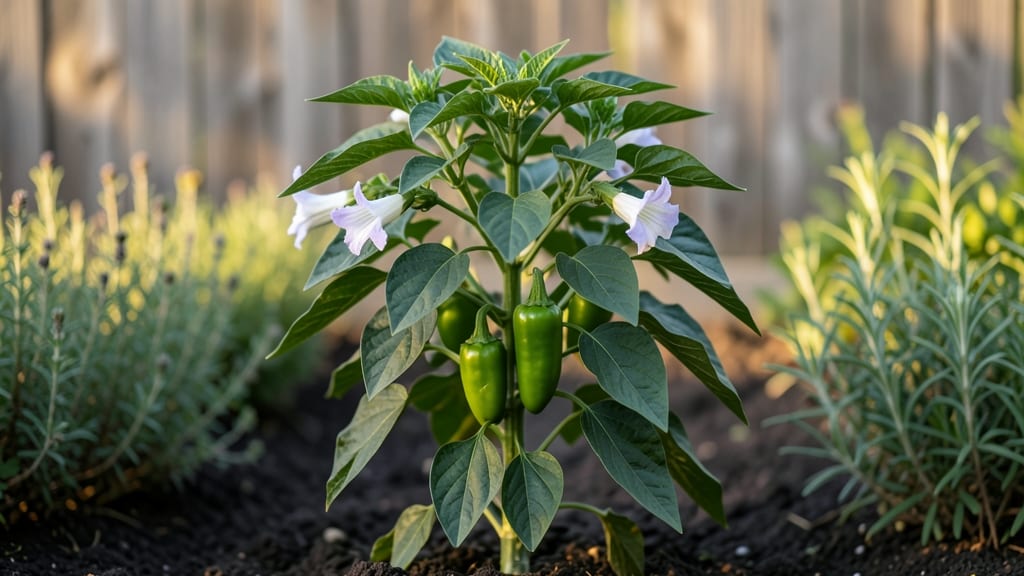
Growing poblano peppers as a cold-hardy perennial changes everything—imagine fresh, smoky peppers year after year without replanting. 🌱 I’ve grown them for three seasons now, and my plants push through winter’s chill to produce bold harvests that outperform annual varieties.
The key? Treating them like the resilient perennials they are, not finicky annuals.
Poblano plants thrive in well-draining soil with 6-8 hours of sunlight daily, but they’ll tolerate partial shade better than most peppers. Unlike their thin-skinned cousins, these thick-walled beauties handle cooler nights (down to 30°F) and even produce light harvests in Zone 8-10 winters.
Start with rich, compost-amended soil and space plants 18-24 inches apart—they spread wider than you’d expect.
By mid-summer, you’ll harvest dark green, football-shaped peppers that ripen to deep red when fully mature. The flavor? Smoky, earthy, and complex—perfect for stuffing, roasting, or drying. My plants produce 10-15 peppers per harvest, and with proper care, they’ll keep yielding for 5+ years.
The secret? Mulching heavily in fall to protect roots and pruning lightly to encourage bushier growth.
Common mistakes? Overwatering (they hate soggy soil) and waiting too long to harvest (peppers turn bitter). But once you master these, you’ll have a self-sustaining pepper patch that outshines store-bought varieties. Ready to grow yours?
📚 In This Guide
- What you need
- Instructions
- Tips and common mistakes
- Wrapping up and next steps
What you need
- ● Poblano pepper seeds or seedlings: Choose cold-hardy varieties like Capsicum annuum (e.g., 'NuMex Big Jim' or 'Anaheim'). Start with 3–5 seeds if planting multiple for better yield.
- ● Well-draining potting mix: A blend of 60% peat moss/compost, 30% perlite or vermiculite, and 10% coco coir (for containers). For in-ground planting, amend soil with 2–3 inches of compost.
- ○ Containers (optional but recommended for cold climates): Minimum 5-gallon pots (1 per plant) with drainage holes.
- ● Fabric grow bags (10–15 gallons) for better root aeration.
- ● Fertilizer: Balanced organic fertilizer (e.g., 5-5-5 or 10-10-10) for seedlings.
- ● Low-nitrogen, high-phosphorus fertilizer (e.g., 3-4-6) once flowering begins.
- ● Hand trowel or small garden fork for transplanting.
- ● Watering can with a rose nozzle (to avoid disturbing soil).
- ● Pruning shears for trimming leggy growth or dead leaves.
- ○ Garden gloves (optional but helpful for handling prickly stems).
- ● Row cover or frost cloth (if growing in USDA Zones 8–10; protects young plants from late frosts).
- ○ Stakes or cages (optional; poblano plants can grow 2–3 feet tall and benefit from support).
- ● Sunlight: 6–8 hours of full sun daily (south-facing windows or greenhouse if indoors).
- ● Temperature: Seedlings: Keep soil at 70–85°F (21–29°C).
- ● Mature plants: Thrives in 60–90°F (15–32°C); can tolerate brief dips to 32°F (0°C) if established.
- ● Water: 1–1.5 inches per week (drip irrigation or soaker hoses preferred; avoid wetting leaves to prevent disease).
- ● pH Level: Ideal soil pH of 6.0–7.0 (test with a soil kit if unsure).
- ● 🌱 Start indoors 8–10 weeks before last frost (if sowing seeds) for a head start.
- ● 🔥 Use black plastic mulch to warm soil and retain moisture in cooler climates.
- ● ✨ Companion plants: Pair poblano peppers with basil, marigolds, or onions to deter pests naturally.
Step-by-step instructions for growing cold-hardy poblano peppers
Here’s how to cultivate these flavorful, resilient peppers—whether you’re starting from seed or transplanting established plants.
🌱 Step 1: Choose the Right Location and Soil
Poblano peppers thrive in full sun (at least 6-8 hours daily) and well-draining soil with a pH between 6.0 and 7.0. I always test my soil first—amending with compost if it’s too sandy or clay-heavy. These plants tolerate cooler temperatures than many peppers, but they still need warmth to set fruit. A sheltered spot near a south-facing wall helps extend the growing season.
If you’re growing in containers, use a large pot (at least 12 inches deep) with drainage holes. Poblano roots spread wider than you’d expect, so shallow pots stunt growth. Mix in aged compost or a balanced fertilizer (like 10-10-10) at planting time to give them a nutrient boost. The goal is loose, fertile soil that holds moisture but doesn’t stay soggy.
🌱 Step 2: Start Seeds Indoors or Transplant Established Plants
For a head start, sow seeds indoors 8-10 weeks before your last frost date in biodegradable pots (they hate root disturbance). Keep the soil warm (75-85°F) with a heat mat until germination, which takes 7-14 days. Once seedlings have 2-3 true leaves, transplant them outdoors after all danger of frost has passed—or wait until soil temps reach 60°F if starting later.
If buying transplants, choose healthy, stocky plants with no signs of disease. Poplanos grow well from nursery starts, but avoid leggy seedlings—they’ll struggle to recover. Harden off seedlings for 7-10 days before planting by gradually exposing them to outdoor conditions. You’ll know they’re ready when they bounce back from a few hours outside without wilting.
☀️ Step 3: Water and Fertilize for Consistent Growth
Water deeply once a week, aiming for 1-1.5 inches of moisture per week. Poblano peppers are drought-tolerant but produce better fruit with steady hydration. Water at the base to avoid wetting leaves, which prevents fungal diseases like powdery mildew. Let the top 1-2 inches of soil dry out between waterings—overwatering leads to blossom-end rot.
Feed every 4-6 weeks with a low-nitrogen fertilizer (like 5-10-10) to encourage fruiting over leafy growth. I also top-dress with compost mid-season to replenish nutrients. Watch for dark green, healthy foliage—pale leaves mean it’s time to fertilize, while yellowing suggests overwatering or nutrient burn.
✂️ Step 4: Prune and Support for Maximum Yield
Prune suckers (the small shoots that form in the leaf axils) to direct energy into fruit production. I remove only the first few suckers—too much pruning stresses the plant. Use bamboo stakes or cages to support heavy pepper pods, especially as they mature. Poblano peppers can grow 12-18 inches tall, but their branches may bow under the weight of fruit.
Deadhead spent flowers if you want fewer but larger peppers, or leave them for a continuous harvest. The key is balance—too much pruning reduces yield, but no pruning leads to crowded, disease-prone plants. Harvest when peppers are 3-5 inches long and still firm for the best flavor. This encourages the plant to keep producing.
⏰ Step 5: Overwintering for Year-Round Harvests
Since poblano peppers are cold-hardy, they can survive mild winters in USDA Zones 9-11 with protection. Before the first frost, cut back foliage by half, leaving 4-6 inches of stem. Mulch heavily with straw or leaves to insulate roots. In colder zones, dig up the plant, trim it back, and pot it for indoor overwintering in a bright, cool spot (50-60°F).
Resume normal care in spring. You’ll often get a second harvest in late fall or early winter before the plant goes dormant. This is why poblano peppers are such a game-changer—they keep producing when most peppers are long gone. Just watch for pests like aphids or spider mites, which love tender new growth in spring.
Tips & tricks for perfect cold-hardy poblano pepper growth
These little-known strategies will help you maximize your poblano pepper harvest while avoiding common pitfalls that waste time and effort.
Soil Temperature Matters: While poblano peppers tolerate cooler climates better than most peppers, soil temperature still plays a crucial role in germination and growth. For indoor seed starting, maintain that 75-85°F range using a heat mat—any cooler and germination slows dramatically. Once outdoors, wait until soil temps reach 60°F before planting, as cooler soil can stunt root development. I always check soil temperature with a thermometer in the morning for accuracy.
Container Size Secret: When growing in pots, don't skimp on depth! The instructions mention 12 inches deep, but I've found poblano roots actually spread wider than most expect. If using containers, opt for 18-inch diameter pots to prevent root binding, which stresses plants and reduces yield. For multiple plants, space containers at least 2 feet apart—crowding leads to poor air circulation and increased disease risk.
Pruning Strategy: The instructions recommend pruning only the first few suckers, but here's what nobody tells you: focus on removing suckers that form below the first flower cluster. These lower suckers compete with fruit production for energy. I also leave the top two suckers unpruned—they often develop into strong branches that produce additional peppers. The goal is balance: enough pruning to direct energy to fruit, but not so much that you sacrifice overall plant health.
Overwintering Hack: For indoor overwintering in colder zones, place your potted poblano near a south-facing window where it gets at least 6 hours of sunlight daily. If natural light is insufficient, supplement with a grow light for 12-14 hours per day. The 50-60°F indoor temperature range is ideal, but avoid drafts—poblano peppers are cold-hardy but not draft-tolerant. This simple adjustment can mean the difference between a thriving winter plant and one that struggles to produce.
Pro Tips for Poblano Pepper Plant
- These little-known strategies will help you maximize your poblano pepper harvest while avoiding common pitfalls that waste time and effort.
- Soil Temperature Matters: While poblano peppers tolerate cooler climates better than most peppers, soil temperature still plays a crucial role in germination and growth.
- Container Size Secret: When growing in pots, don't skimp on depth!
Frequently asked questions
Got questions about growing and caring for your poblano pepper plant? You’re not alone—this cold-hardy perennial is full of surprises! Here are some of the most common queries (and answers) to help you grow like a pro.
How cold can poblano pepper plants tolerate?
Poblano peppers are one of the few peppers that can handle cooler climates! They thrive in USDA zones 9-11 but can survive brief dips to 28°F (-2°C) with proper protection (like mulch or row covers). In colder zones, grow them in containers and move them indoors or under cover during winter. Pro tip: Start seeds indoors 8-10 weeks before the last frost for an early harvest!
How long does it take for poblano peppers to mature?
Poblano plants typically take 70-90 days to mature from seed, but they’re perennials—meaning they’ll keep producing for years if cared for properly! If you’re growing from transplants, expect peppers in about 60-70 days. Patience pays off, as mature plants yield 20-50 peppers per plant in ideal conditions.
Can I grow poblano peppers in containers?
Poblano peppers adapt well to containers, making them perfect for balconies, patios, or small gardens. Use a pot at least 12-18 inches deep with drainage holes and a high-quality potting mix. Since they’re perennials, overwinter them in a sunny indoor spot (like a bright windowsill) or dig them up and store them in a cool, dark place until spring.
What pests or diseases should I watch for with poblano plants?
Poblano peppers are generally low-maintenance, but keep an eye out for aphids, spider mites, and whiteflies—they love pepper leaves too! For fungal issues like powdery mildew, ensure good airflow and avoid overhead watering. If pests strike, spray with neem oil or insecticidal soap. Prevention tip: Rotate crops annually to reduce disease risk.
What’s the difference between poblano and other peppers?
Poblano peppers are mild (1,000-2,000 Scoville units) when green but turn slightly spicier (2,500-5,000 Scoville) when dried (then called ancho chiles). Unlike jalapeños or serranos, they’re thicker-walled and heart-shaped, making them ideal for stuffing, roasting, or blending into sauces. Plus, they’re perennial, so they’ll reward you year after year!
Bonus Tip: How do I harvest poblano peppers for the best flavor?
Harvest poblanos when they’re 3-4 inches long and firm—they’ll ripen further off the vine but stay mildest when picked early. For ancho chiles, let them turn red on the plant before drying. Use pruning shears to avoid damaging the plant, and store harvested peppers in a cool, dark place (or freeze them) for up to 2 weeks.
Wrapping up and next steps
Growing a poblano pepper plant is a rewarding journey that brings bold flavors and year-round harvests to your table—even in cooler climates! 🌱 Whether you’re a seasoned gardener or a curious beginner, this cold-hardy perennial offers versatility, from fresh peppers to smoky dishes.
With the right care, you’ll enjoy a thriving plant that keeps giving season after season.
Ready to dive in? Start by gathering your supplies, then plant your poblanos with confidence—your kitchen (and taste buds) will thank you! 🌶️