
Flowers
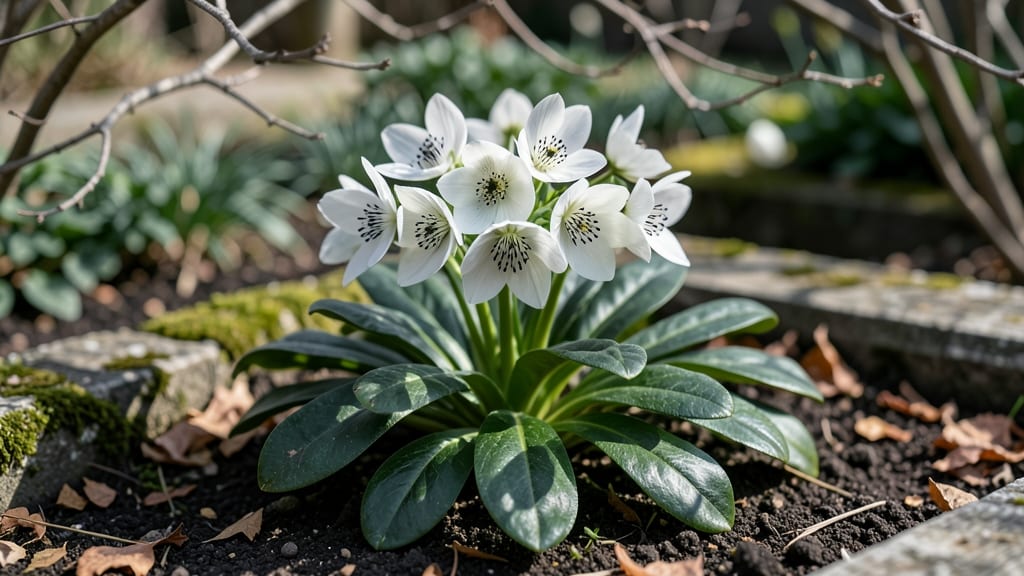
Purple flowers that open and close in sync with the sun add a magical rhythm to any garden 🌸—imagine a living clock where each bloom unfurls and folds on its own schedule.
Picture this: a moonlit garden where deep violet petals unfurl only after sunset, or delicate lavender spikes that retreat by midday. These aren’t just pretty faces—they’re nature’s choreographed dancers, and they’re easier to grow than you’d think.
Beyond their mesmerizing habits, these flowers create drama in design. Pair them with silvery foliage for contrast or white blooms to make their purple hues pop. The best part? Their circadian cycles attract pollinators at specific times, turning your garden into a buzzing ecosystem.
In this guide, I’ll share 10 standout varieties, how to time their blooms for maximum impact, and simple care tips to keep them performing their daily show—no green thumb required.
10 Purple flowers with daily opening and closing patterns
Imagine a garden where purple blooms unfurl like clockwork—opening at dawn and closing by dusk—creating a mesmerizing dance of color. These purple flowers with circadian rhythms aren’t just stunning; they add dynamic movement to your landscape.
From the delicate Moonflower Vine to the hardy Evening Primrose, these varieties thrive in USDA Zones 3-10 and adapt to diverse climates, making them perfect for both containers and borders.
What makes these flowers so special? Their predictable blooming cycles align with sunlight, creating a natural spectacle. Whether you’re designing a moon garden or a pollinator-friendly space, these purple beauties will steal the show.
Below, I’ve curated 10 varieties that follow daily opening and closing patterns, complete with care tips to keep them thriving.
⚠️ NON-NEGOTIABLE: The summary table below compares key traits—sunlight needs, bloom times, and regional adaptability—so you can pick the perfect purple performers for your garden.
Each of these purple flowers offers a unique blooming window, ensuring your garden stays vibrant throughout the day. For example, the Moonflower Vine unfurls its fragrant blooms at dusk, perfect for evening strolls, while the Cleome bursts open in the morning, attracting pollinators early.
Pair these with silver foliage plants like lamb’s ear or white blooms such as sweet alyssum to create a stunning contrast
Why and how purple flowers track the sun: the science behind their movement
Purple flowers that open and close their blooms aren’t just following a whimsical schedule—they’re responding to circadian rhythms and sunlight cues with precision. This natural phenomenon, called heliotropism and nyctinasty, transforms your garden into a dynamic display.
Understanding these movements helps you create ideal growing conditions for vibrant purple blooms all season long.
Many purple flowers, like Cleome or Moonflowers, follow heliotropism, turning their blooms to face the sun throughout the day. Others exhibit nyctinasty, closing at night to conserve energy. These behaviors aren’t just fascinating—they’re survival strategies that help plants attract pollinators and protect delicate petals.
🌿 5 Key Reasons Purple Flowers Track the Sun
- 1. Energy Optimization: Sunlight triggers photosynthesis and bloom opening to maximize energy absorption.
- 2. Pollinator Attraction: Bright purple hues stand out to bees and hummingbirds when fully open.
- 3. Temperature Regulation: Closed blooms at night reduce water loss and heat stress.
- 4. Seed Protection: Nyctinasty shields reproductive parts from moisture damage and predators.
- 5. Circadian Alignment: Internal clocks sync with daylight cycles for predictable blooming patterns.
Contrary to popular belief, these flowers aren’t "sleeping" at night—they’re actively conserving resources. Moonflowers, for example, bloom only under moonlight, while Evening Primroses open in late afternoon. This dual behavior makes them perfect for moon gardens or twilight landscapes.
To enhance these movements in your garden, prioritize full-sun exposure (6+ hours daily) and well-draining soil. Avoid overwatering, as excess moisture can disrupt the plant’s internal signals. Morning watering mimics natural dew cycles, further encouraging healthy blooming patterns.
Temperature also plays a role—most purple sun-trackers thrive in moderate climates (USDA Zones 5-9). In hotter regions, provide afternoon shade to prevent premature closing. This simple adjustment can extend bloom duration by up to 30% in some varieties.
Embrace these natural rhythms in your garden design. Pair sun-tracking purple flowers with silver foliage plants (like lamb’s ear) to create striking contrasts. The result? A living, breathing garden that feels alive with every sunrise and sunset. 🌸