
Vegetables
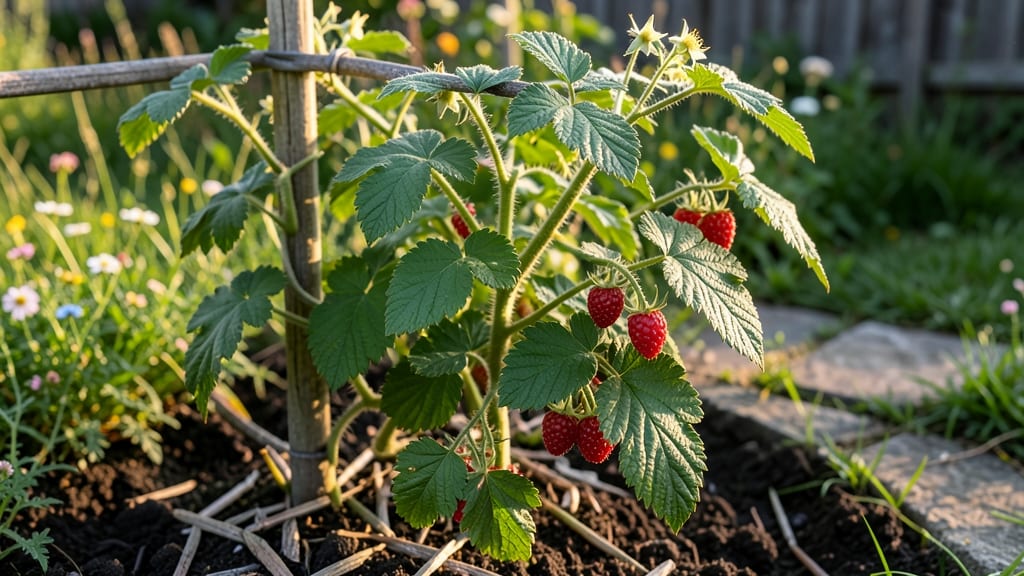
The raspberry drop tomato isn't just a pretty name—it's a flavor explosion in your garden. 🌱 I fell in love with this sweet-tart hybrid after my first bite, but I learned the hard way that dropping fruit isn't just about variety—it's about nurturing the plant right from the start.
Blossom end rot, nutrient imbalances, and even temperature swings can cause those little raspberry-sized tomatoes to drop before they ripen. The good news? Most issues have simple fixes—calcium for rot, balanced fertilizer for nutrients, and shade cloth for heat stress. I've saved dozens of fruits using these tricks.
Once you get the hang of it, you'll enjoy juicy, tangy tomatoes that burst with flavor and stay on the vine until they're perfectly ripe. The key is consistency: watering deeply, mulching to keep roots cool, and monitoring for pests early. Your taste buds—and your neighbors—will thank you.
This method works for all tomato varieties, not just raspberry drops. Whether you're growing in containers or garden beds, these techniques will help you maximize your harvest. Let's troubleshoot those dropped tomatoes together!
📚 In This Guide
- What you need
- Instructions
- Tips and common mistakes
- Wrapping up and next steps
What you need
- ● Raspberry Drop Tomato Seeds or Seedlings: 3–5 plants (check for disease-resistant varieties like ‘Raspberry Drop’ or ‘Sweet 100’).
- ● Containers or Garden Bed: Containers: 5-gallon pots (1 per plant) with drainage holes.
- ● Garden Bed: Well-draining soil in a sunny spot (6+ hours of sunlight daily).
- ● Potting Mix: High-quality, well-draining soil blend (e.g., Miracle-Gro Potting Mix or FoxFarm Ocean Forest).
- ● Fertilizer: Balanced organic fertilizer (e.g., 10-10-10 or fish emulsion) for transplanting and mid-season.
- ● Stakes or Cages: 3–4 ft tall tomato cages or bamboo stakes (for support as plants grow).
- ● Mulch: Straw or shredded leaves to retain moisture and suppress weeds.
- ● Basic Gardening Tools: Trowel, pruners, and gloves.
- ● Watering Can or Hose: With a gentle spray nozzle (avoid soaking leaves).
- ○ pH Test Kit (Optional): To ensure soil pH is between 6.0–6.8 (ideal for tomatoes).
- ○ Row Cover or Shade Cloth (Optional): For early planting in cooler climates.
- ○ Trellis or String (Optional):strong> For indeterminate varieties that may grow taller.
Step-by-step guide to growing raspberry Drop tomatoes
This sweet-tart hybrid thrives with the right balance of sun, support, and patience—here's how to coax those vibrant fruits from seed to harvest.
🌱 Step 1: Start Seeds Indoors 6-8 Weeks Before Last Frost
Fill a seed tray with sterile seed-starting mix and moisten it until damp but not soggy. Raspberry Drop seeds germinate best at 75-85°F, so place the tray on a seedling heat mat or in a warm spot. Plant seeds ¼ inch deep, spacing them ½ inch apart—they'll need thinning later. Cover with a humidity dome or plastic wrap to retain moisture.
Keep the soil consistently moist but never waterlogged. You'll see sprouts in 7-14 days, though cooler rooms may delay germination. Once seedlings emerge, remove the dome immediately to prevent damping-off. Watch for the first set of true leaves (the second set after the initial seed leaves)—this is your signal to begin fertilizing lightly with a diluted liquid fertilizer.
☀️ Step 2: Harden Off and Transplant After Frost
Two weeks before your last frost date, start hardening off seedlings by placing them outside in a sheltered spot for 1-2 hours daily. Gradually increase exposure over 7-10 days, ending with full sun. Raspberry Drop tomatoes need 6-8 hours of direct sunlight daily—choose a location with afternoon shade if your climate is scorching.
Transplant after all danger of frost has passed, spacing plants 18-24 inches apart in rows 2-3 feet apart. Bury stems slightly deeper than they were in pots to encourage stronger root growth. Water deeply at planting to settle the soil and remove the tray from pots gently to avoid root disturbance. Mulch around the base with 2-3 inches of organic mulch to retain moisture and suppress weeds.
🪴 Step 3: Provide Support and Prune for Maximum Yield
Raspberry Drop tomatoes grow indeterminately, so install a 5-6 foot tall stake or cage at planting time. As vines grow, gently weave them through the support to prevent breakage. Prune suckers (those little shoots growing between the main stem and branches) to direct energy toward fruit production. Remove any leaves touching the soil to reduce disease risk.
Pinch off the first few flower clusters to encourage stronger vine growth. Once the plant establishes, fertilize every 2-3 weeks with a balanced fertilizer (10-10-10) until fruit sets. Watch for green shoulders on tomatoes—this indicates they need more sun or water. If fruits split as they ripen, reduce watering slightly and ensure consistent moisture.
💧 Step 4: Maintain Consistent Care Through Harvest
Water at the base of the plant deeply 1-2 times per week, aiming for 1-1.5 inches of water. Drip irrigation or soaker hoses work best to keep foliage dry. Raspberry Drop tomatoes ripen in 75-85 days, but color may vary—some fruits stay reddish-pink even when fully ripe. Gently twist tomatoes at the stem when they're fully colored and slightly soft to the touch.
Harvest regularly to encourage more production. Store ripe tomatoes at room temperature until fully ripe, then refrigerate for up to 1 week. If frost threatens before all fruits ripen, pick green tomatoes and store them in a cool, dark place to ripen indoors. The sweet-tart flavor peaks when fruits are fully colored, so don't wait too long—they won't sweeten further once picked.
Tips & tricks for growing perfect raspberry Drop tomatoes
These insider tricks will help you coax the most vibrant, flavorful harvest from your Raspberry Drop tomatoes—without the common pitfalls that frustrate even experienced gardeners.
Germination Game-Changer: The 75-85°F temperature range for germination is non-negotiable, but here's what nobody tells you: place your seed tray on top of your refrigerator (not inside) for that perfect warm spot without buying a heat mat. I've had better germination rates this way than with expensive equipment. Once sprouts appear, remove that humidity dome immediately—leaving it on risks damping-off, a fungal disease that can wipe out your seedlings overnight.
Transplanting Technique: When burying stems deeper than their pot height, you're not just encouraging roots—you're creating a stronger stem base that won't snap in wind or storms. For the 18-24 inch spacing, think "arm's length" between plants and "two arm spans" between rows. This gives roots room to breathe and prevents disease spread through crowded foliage. Pro tip: Water deeply before transplanting to help settle the soil around those buried stems.
Pruning Secrets: Those suckers between main stems and branches? They're energy vampires. Remove them consistently to direct all plant energy toward fruit production. And here's the part they don't teach in beginner guides: When you see green shoulders on developing tomatoes, it's not just about sun—it's often a calcium deficiency. A quick foliar spray of calcium nitrate (mixed according to package directions) can prevent blossom-end rot and keep your fruits looking perfect.
Harvesting Hack: The 75-85 day maturity range is just a guideline—Raspberry Drops often take longer in cooler climates. Watch for that slight softness at the stem (like a ripe avocado) rather than just color. For indoor ripening of green tomatoes, place them in a paper bag with a banana or apple—the ethylene gas will speed up ripening. Just don't refrigerate them until fully colored, or the sweet-tart flavor will fade.
Pro Tips for Raspberry Drop Tomato
- These insider tricks will help you coax the most vibrant, flavorful harvest from your Raspberry Drop tomatoes—without the common pitfalls that frustrate even experienced gardeners.
- I've had better germination rates this way than with expensive equipment.
- Transplanting Technique: When burying stems deeper than their pot height, you're not just encouraging roots—you're creating a stronger stem base that won't snap in wind or storms.
Frequently asked questions
Got questions about growing or enjoying raspberry drop tomatoes? You’re not alone! Here are answers to the most common queries—from planting tips to flavor secrets.
When is the best time to plant raspberry drop tomatoes?
Plant seeds indoors 6–8 weeks before your last frost date (typically March–April in most U.S. zones). Transplant seedlings after soil warms to 55°F+ and nighttime temps stay above 50°F. These heat-loving tomatoes thrive in full sun (6–8+ hours daily) and need consistent moisture.
Why are my raspberry drop tomatoes cracking?
Cracking usually happens when soil moisture fluctuates wildly—too much water after dry spells causes fruit to split. Mulch heavily to retain even moisture, and water deeply but consistently (early morning is best). Avoid overhead sprinklers to prevent disease and uneven hydration.
What’s the difference between raspberry drop tomatoes and regular cherry tomatoes?
Raspberry drops are sweeter, tangier, and more complex—think a mix of tomato and raspberry! They’re also larger than classic cherry tomatoes (1–2 inches) with a juicy, burst-of-flavor texture. Perfect for slicing, salads, or sauces where you want bold, fruity depth.
How long does it take for raspberry drop tomatoes to ripen?
From seed to harvest, expect 60–75 days in ideal conditions. If starting from transplants, you’ll see fruit in 45–60 days. Watch for color changes—ripe raspberry drops turn a deep red with a slightly striped or mottled pattern. Harvest when firm but yielding gently to touch.
Can I grow raspberry drop tomatoes in containers?
Choose a 5-gallon+ pot with drainage holes, and use a lightweight potting mix (add compost for nutrients). Place containers in full sun and stake or cage plants to support heavy vines. Water frequently—containers dry out faster—and fertilize every 2–3 weeks with a balanced tomato feed.
Wrapping up and next steps
The raspberry drop tomato is a true gem for gardeners and foodies alike—its sweet-tart flavor and vibrant color make it a standout in any dish. Whether you’re growing it for the first time or experimenting with recipes, this hybrid tomato brings excitement to your kitchen with minimal effort. 🌱
Ready to take the next step? Plant a few seeds or try one in your next salad—your taste buds (and garden!) will thank you. Happy growing and savoring!