
Vegetables
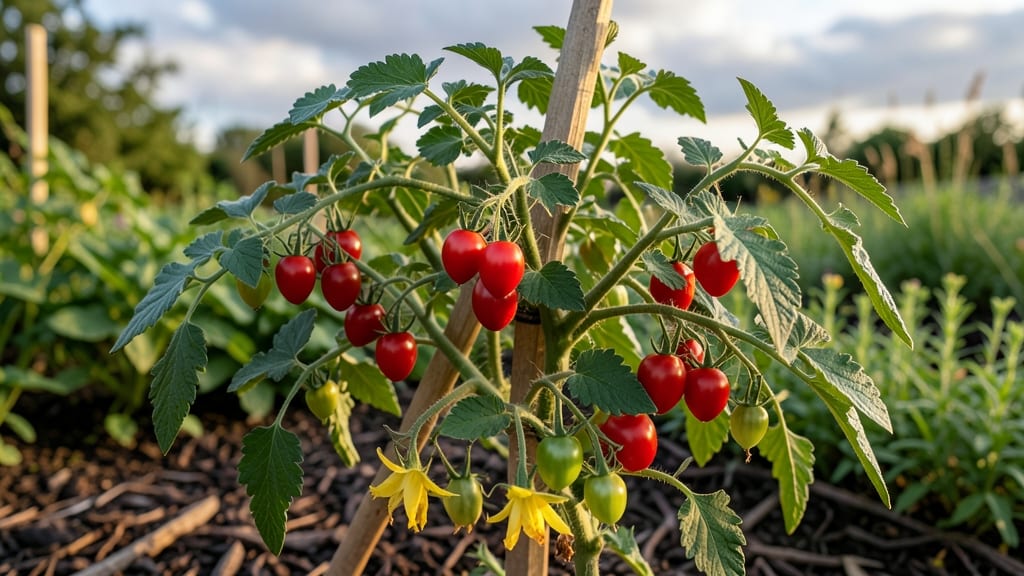
Growing Red Currant tomatoes changed how I think about tomatoes in cold climates. 🌱 These cold-hardy perennials produce sweet-tart fruit year after year, and they thrive where regular tomatoes would freeze. The key? Planting them in the right spot with proper winter protection—once established, they bounce back stronger each spring.
You’ll need full sun (at least 6 hours daily), well-draining soil with plenty of organic matter, and a trellis or stakes to support their vines.
Unlike annual tomatoes, these plants reward patience: first fruit appears in year 2 or 3, but they keep producing for 10+ years with minimal care. Water consistently but avoid soggy soil, and mulch heavily in fall to protect roots from freeze-thaw cycles.
Harvest begins in mid-summer when fruits turn deep red and plump. The flavor? A perfect balance of sweetness and tang—ideal for fresh eating, sauces, or preserving. Prune lightly in early spring to open airflow, and watch for common tomato pests like aphids (spray with neem oil if needed).
With the right setup, these tomatoes outperform annuals in cold zones.
Perfect for gardeners in USDA zones 3-8 who want reliable harvests without replanting every year. The secret to success? Treating them as perennials from day one—mulch, prune, and protect them like the long-term investment they are. Ready to try these cold-climate workhorses?
📚 In This Guide
- What you need
- Instructions
- Tips and common mistakes
- Wrapping up and next steps
What you need
- ● Seeds or seedlings: Red currant tomato seeds (e.g., 'Indigo Rose,' 'Black Cherry,' or 'Sweet 100') or 3-5 healthy seedlings (if starting with transplants).
- ● Containers or garden bed: Containers: 5-gallon pots or fabric grow bags (1 per plant). Ensure they have drainage holes!
- ● Garden bed: A sunny spot (6+ hours of light) with well-draining soil. Raised beds are ideal for cold climates.
- ● Potting mix: High-quality, organic seed-starting mix (or garden soil amended with compost for in-ground planting).
- ● Fertilizer: Seedlings: Balanced 5-5-5 or 10-10-10 fertilizer (follow package rates).
- ● Mature plants: Organic options like fish emulsion or compost tea for a nutrient boost.
- ● Support system: Trellis or cage: 4-6 ft tall (tomatoes grow vine-like!). Use bamboo stakes or tomato cages.
- ● Twine or soft ties: For securing vines as they grow.
- ● Basic tools: Trowel, pruners (sterilized), and a watering can or hose with a gentle spray nozzle.
- ○ Optional but helpful: Mulch (straw or shredded leaves) to retain moisture and suppress weeds.
- ● Row covers (frost cloth) for early/late-season protection in cold climates.
- ● pH test kit (ideal soil pH: 6.0–6.8).
- ● Grow lights (if starting seeds indoors before last frost).
- ● Climate notes: Red currant tomatoes thrive in USDA Zones 3–9 but need 140–160 frost-free days to ripen fully.
- ● If your growing season is short, opt for early-maturing varieties (e.g., 'Tumbling Tom').
How to grow and maintain red currant tomatoes in cold climates
These sweet-tart, cold-hardy tomatoes thrive where traditional varieties fail—here's how to cultivate them successfully.
🌱 Step 1: Select the Right Variety and Planting Location
Red currant tomatoes are a unique, cold-hardy perennial variety that produces cherry-sized fruits with a sweet-tart flavor reminiscent of red currants. Choose a planting location that receives at least 6-8 hours of full sun daily, as this variety needs ample light to set fruit. I always pick a spot with well-draining soil, because these tomatoes hate soggy roots—especially in cold climates where water can pool.
If your soil is heavy clay, amend it with 2-3 inches of compost before planting to improve drainage and fertility. The key is to balance moisture retention with aeration, so avoid compacting the soil when you work it. Red currant tomatoes can survive light frosts, but they need a sheltered location to protect them from harsh winds that can damage tender stems.
☀️ Step 2: Plant and Support for Optimal Growth
Plant your red currant tomato in early spring, after the last frost date, when soil temperatures reach at least 55°F. Dig a hole twice as wide as the root ball but only as deep—planting too deep can suffocate the stem. Gently remove the plant from its container and tease the roots apart if they're circling. This encourages outward growth rather than a root-bound mess.
Install a 4-5 foot tall trellis or sturdy cage at planting time. Red currant tomatoes grow indeterminately, meaning they'll keep producing fruit until frost if supported properly. I like to use a floral wire trellis because it's lightweight but strong enough to handle the weight of clusters. Secure the main stem to the trellis with soft plant ties, leaving 6-8 inches of space between ties to prevent stem damage.
💧 Step 3: Water and Fertilize for Sweet-Tart Flavor
Water deeply 2-3 times per week, aiming for 1-1.5 inches of water per week, including rainfall. The goal is to keep the soil consistently moist but not waterlogged. I water at the base of the plant in the early morning to reduce evaporation and fungal risks. Avoid wetting the leaves, as this can lead to diseases like early blight—common in cold, humid climates.
Feed your red currant tomato with a balanced, organic fertilizer (like 5-5-5) every 4-6 weeks starting when flowers appear. These tomatoes are prolific producers, so they need steady nutrients to maintain their sweet-tart flavor. I also top-dress with compost tea mid-season to boost microbial activity in the soil, which improves nutrient uptake and disease resistance.
✂️ Step 4: Prune and Harvest for Continuous Production
Prune suckers (the shoots that grow between the main stem and branches) weekly to redirect energy into fruit production. I pinch off suckers when they're no larger than a pencil, using sharp pruners to avoid tearing the stem. This keeps the plant focused on producing sweet, tart fruit rather than leafy growth. Also, remove any yellow or diseased leaves immediately to prevent the spread of pathogens.
Harvest when the fruit reaches full color and is slightly soft to the touch—usually 60-70 days after transplanting. Red currant tomatoes are best picked in the morning when their sugar content is highest. I harvest every 2-3 days to encourage more production, and I always use clean pruners to avoid introducing diseases. Store unripe fruit at room temperature to ripen, or refrigerate ripe fruit for up to 5 days.
⏰ Step 5: Overwinter for Perennial Growth
In cold climates, red currant tomatoes are perennial, meaning they'll regrow each year with proper care. After the first frost, cut back the plant to 6-8 inches tall and mulch heavily with 4-6 inches of straw or leaves to insulate the roots. This protects them from freezing temperatures and prepares them for spring regrowth.
I also protect the base of the plant with a thick layer of burlap or frost cloth in the winter to shield it from harsh winds. In early spring, remove the mulch and frost protection once new growth appears. The plant will send up new shoots from the base, and with proper support and care, you'll have another season of sweet-tart fruit.
Tips & tricks for perfect red currant tomato cultivation
A few key strategies will help you maximize your harvest of these cold-hardy, sweet-tart tomatoes—especially in challenging climates.
Sunlight Strategy: While 6-8 hours of sunlight is the minimum, I've found that positioning your plant where it receives morning sun and afternoon shade (especially in hot zones) actually enhances flavor development. The morning light jumpstarts photosynthesis, while afternoon shade prevents stress that can dull the sweet-tart profile these tomatoes are known for.
Soil Preparation Secret: Before amending with 2-3 inches of compost, I recommend adding a handful of perlite or coarse sand to clay soils. This creates tiny air pockets that improve drainage without sacrificing moisture retention—the perfect balance for cold-climate tomatoes. The perlite also helps prevent compacting when you work the soil, which can suffocate roots.
Support System: When installing your 4-5 foot trellis, bury the stakes at least 12 inches deep for maximum stability. I've seen many plants topple in windy conditions because the support wasn't anchored properly. For extra security, use a T-shaped stake configuration—drive a main stake vertically and attach horizontal supports at the top to create a windbreak.
Harvest Timing: The 60-70 day window after transplanting is crucial, but I've learned to watch for color changes more than days. Look for fruits that develop a deep red hue with a slight pink blush at the stem end—this indicates peak sweetness. Harvesting at this stage also prevents overripe fruit from splitting, which is especially important in humid cold climates where moisture levels fluctuate.
Pro Tips for Red Currant Tomato
- A few key strategies will help you maximize your harvest of these cold-hardy, sweet-tart tomatoes—especially in challenging climates.
- Sunlight Strategy: While 6-8 hours of sunlight is the minimum, I've found that positioning your plant where it receives morning sun and afternoon shade (especially in hot zones) actually enhances flavor development.
- Soil Preparation Secret: Before amending with 2-3 inches of compost, I recommend adding a handful of perlite or coarse sand to clay soils.
Frequently asked questions
Got questions about growing and enjoying red currant tomatoes? You’re not alone! Here are some of the most common queries—plus straightforward answers to help you cultivate these cold-hardy beauties like a pro.
How cold can red currant tomatoes tolerate?
These tomatoes are perennial in USDA Zones 4-9, meaning they can survive winter in colder climates (down to -25°F). However, young plants or those in Zone 3 or colder may need winter protection like mulch or row covers. In warmer zones, they thrive as annuals with proper care.
When should I plant red currant tomatoes?
For perennial growth, plant in early spring after the last frost (when soil reaches 50°F). In warmer climates, they can also handle fall planting for a second harvest. If growing as annuals, follow your region’s typical tomato planting timeline—usually 4-6 weeks before the last frost.
Are red currant tomatoes good for sauces or eating raw?
Their sweet-tart flavor makes them perfect for sauces, salsas, and fresh salads. They’re smaller than beefsteak tomatoes but pack a burst of juicy flavor. For sauces, harvest when fully ripe (deep red) for the best balance of sweetness and acidity. Pro tip: Pair them with basil or garlic for a gourmet twist!
Why aren’t my red currant tomatoes fruiting?
Common culprits include:
- Insufficient sunlight: Needs 6+ hours of sun daily.
- Poor pollination: Hand-pollinate with a brush if bees are scarce.
- Over-fertilizing with nitrogen: Too much leafy growth = fewer fruits. Use a balanced fertilizer (10-10-10) instead.
- Cold snaps: Young flowers may drop if temps dip below 50°F.
Try pruning to improve airflow and mulching to stabilize soil temps.
Can I grow red currant tomatoes in containers?
Yes! They adapt well to 5-gallon containers or larger (at least 12 inches deep) with good drainage. Use a lightweight potting mix and a trellis or cage to support vines. Just ensure the container stays consistently moist—they’re drought-sensitive. Bonus: Container-grown plants are easier to move indoors during winter in cold zones!
What’s the best way to store red currant tomatoes?
Store them at room temperature (not in the fridge!) until fully ripe. Once ripe, they’ll last 3-5 days on the counter. For longer storage, harvest slightly firm and ripen indoors. Freezing tip: Blanch and freeze for sauces, or dry them for a sun-dried tomato treat!
Wrapping up and next steps
The red currant tomato is a game-changer for gardeners in cooler climates—packing a burst of sweet-tart flavor while thriving as a hardy perennial. Whether you’re a seasoned grower or a curious beginner, these vibrant little tomatoes prove that delicious harvests aren’t limited by location.
Ready to elevate your garden? Start small—plant a few this season, experiment with recipes, or even share seeds with fellow plant enthusiasts!
🌱 Next step: Grab your gloves, mark your calendar, and let these resilient beauties transform your outdoor (or indoor!) space into a flavor paradise. Your taste buds—and future salads—will thank you!