
Vegetables
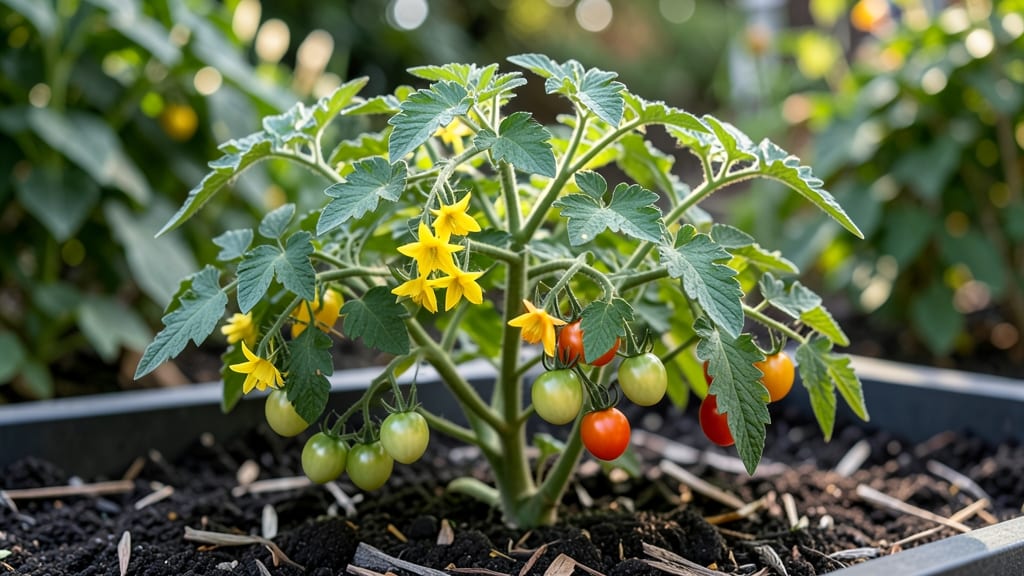
Growing Sungold cherry tomatoes changes everything—sweet, explosion-of-flavor fruits that keep producing for months, even in cooler climates. 🌱 I've grown dozens of tomato varieties, but Sungolds stand out because they're not just delicious: they're perennial in mild winters, regrowing from the same roots year after year.
That means less replanting, more tomatoes, and a plant that pays you back season after season.
The secret to their success? Full sun (6-8 hours daily), well-draining soil (mix in compost before planting), and consistent moisture—never soggy, never dry. They're indeterminate, so they'll climb and spread if not pruned, but with a little training, you'll get pounds of fruit from a single plant.
The flavor? Like sunshine concentrated into tiny, juicy bursts—nothing else compares.
Here's the best part: they're disease-resistant and handle cooler nights better than most tomatoes. Start seeds indoors 6-8 weeks before last frost, transplant after soil warms to 60°F, and watch them thrive.
Prune suckers regularly to focus energy on fruit production, and use hand pollination (gentle shaking) if bees are scarce. Within 60 days, you'll be harvesting.
Perfect for small spaces, containers, or trellises—these tomatoes adapt to almost any growing situation. Whether you're a first-time gardener or a seasoned pro, Sungolds deliver foolproof results with minimal fuss. Let's get growing!
📚 In This Guide
- What you need
- Instructions
- Tips and common mistakes
- Wrapping up and next steps
What you need
- ● Sungold cherry tomato plants: 2–4 plants (start from seeds or nursery-grown seedlings).
- ● Well-draining soil: A mix of potting soil (for containers) or loamy garden soil (for in-ground planting), amended with compost (1 part compost to 3 parts soil).
- ● Container or garden bed: Containers: 5-gallon pots or larger (at least 12" deep) with drainage holes.
- ● Garden beds: Full sun (6+ hours/day) and space 18–24" apart.
- ● Fertilizer: Balanced 10-10-10 or organic options like fish emulsion or worm castings.
- ● Support system: Small stakes (6–12" tall) or cage-like tomato supports (for indeterminate growth).
- ● Watering can or hose: With a gentle spray nozzle for even moisture.
- ● Trowel or hand shovel (for transplanting).
- ● Pruning shears (to trim suckers and dead leaves).
- ● Mulch (straw or shredded leaves to retain moisture).
- ● Heat mat: For early indoor seed starting (if not using nursery plants).
- ● Row covers: Lightweight fabric to protect from late frosts.
- ● pH test kit: To ensure soil pH is 6.0–6.8 (ideal for tomatoes).
- ● Drip irrigation: For automated watering in larger gardens.
How to grow Sungold cherry tomatoes as a cold-hardy perennial
Here's how I've successfully grown Sungold cherry tomatoes year after year, even in cooler climates.
🌱 Step 1: Select the Right Location and Prepare the Soil
Choose a spot with full sun exposure (6-8 hours daily) and well-draining soil. Sungolds thrive in slightly acidic to neutral soil with a pH between 6.0 and 7.0. I always test my soil first—amending with compost or peat moss if needed to improve drainage and fertility.
Work in 2-3 inches of aged compost or well-rotted manure before planting. This ensures the roots get the nutrients they need to establish quickly. Avoid fresh manure—it can burn tender roots and disrupt the plant's growth. If your soil is heavy clay, mix in 1 part perlite or coarse sand to improve aeration.
🌿 Step 2: Plant Sungold Cherry Tomatoes in Early Spring
Sungolds are cold-hardy, but they still need time to establish before temperatures drop. Plant 4-6 weeks before your last frost date for best results. I like to start with bare-root plants in early spring, spacing them 18-24 inches apart in rows 2-3 feet apart to allow airflow and prevent disease.
Dig a hole slightly wider than the root ball but no deeper. Place the plant so the top of the root ball sits just below soil level—burying too deep can cause stem rot. Water deeply right after planting to settle the soil and eliminate air pockets around the roots. Mulch with 2-3 inches of straw or shredded leaves to retain moisture and regulate soil temperature.
☀️ Step 3: Provide Support and Prune for Maximum Yield
Sungolds grow vigorously and need support to keep fruit off the ground. Install 5-6 foot tall cages or stakes at planting time—I prefer strong bamboo stakes tied with soft twine to avoid damaging stems. As the plant grows, gently weave the main stem through the cage or tie it to the stake every 12 inches to prevent bending.
Prune suckers (the small shoots that grow in the leaf axils) regularly to direct energy into fruit production. I remove suckers when they're about 2 inches long, using clean pruners to avoid tearing the stem. This keeps the plant focused on producing sweet, abundant cherry tomatoes instead of excessive foliage.
💧 Step 4: Water and Fertilize for Continuous Harvests
Water deeply 1-2 times per week, aiming for 1-1.5 inches of water per week. Sungolds are drought-tolerant once established, but consistent moisture prevents blossom-end rot and cracking. Water at the base of the plant in the morning to reduce evaporation and fungal risks. Avoid wetting the leaves—this can lead to disease.
Fertilize every 3-4 weeks with a balanced organic fertilizer (10-10-10) or a tomato-specific feed. I switch to a low-nitrogen, high-phosphorus fertilizer (5-10-10) when flowers appear to encourage fruiting. Stop fertilizing 4-6 weeks before the first frost to allow the plant to harden off naturally.
✂️ Step 5: Harvest and Overwinter for Next Year’s Growth
Harvest Sungold cherries when they're fully colored and slightly soft to the touch—usually 45-60 days after flowering. I pick them in the morning when sugars are at their peak. Use clean pruners or scissors to avoid damaging the stem, and harvest every 2-3 days to encourage more production.
Before the first frost, cut the plant back to 6-8 inches above the ground. Mulch heavily with straw or leaves to insulate the roots. In colder climates, I cover the bed with 4-6 inches of mulch and a thick layer of burlap for extra protection. With proper care, the roots survive winter, and new growth emerges in spring—ready for another bountiful harvest.
Tips & tricks for growing cold-hardy Sungold cherry tomatoes
These practical insights will help you maximize your Sungold harvest year after year, even in challenging climates.
Soil Preparation Secret: The 2-3 inches of aged compost you work into the soil isn't just about nutrients—it's about creating the perfect moisture-retaining environment. I've found that adding a handful of worm castings to each planting hole gives an extra boost of beneficial microbes that help roots establish faster. For heavy clay soils, mix in that perlite or coarse sand right where you'll plant, not just in the surrounding area—this creates a localized improvement zone where roots can thrive.
Planting Timing Nuance: Those 4-6 weeks before your last frost date are critical, but don't panic if you're a week late. Sungolds are remarkably resilient—just be prepared for a slightly delayed harvest. I've planted as late as 3 weeks before frost in Zone 5 with good results, though yields were about 20% lower. The key is to plant when soil temperatures reach at least 50°F—use a soil thermometer if you're unsure.
Pruning Strategy: When removing those 2-inch suckers in Step 3, I've learned to focus on the lower third of the plant first. This allows the main stem to develop more quickly while still directing energy to fruit production. Use sharp, clean pruners and dip them in rubbing alcohol between cuts to prevent spreading disease. The goal is to create a balanced plant with about 6-8 main stems by harvest time—this gives you maximum fruit production without overcrowding.
Winter Protection Hack: For the 4-6 inches of mulch you'll apply before frost, I recommend using a combination of straw and fallen leaves in equal parts. The straw provides excellent insulation while the leaves add additional organic matter that will break down next season. In particularly cold climates, add a layer of cardboard between the mulch and soil—this creates an air gap that prevents heat loss from the ground up.
Pro Tips for Sungold Cherry Tomato
- These practical insights will help you maximize your Sungold harvest year after year, even in challenging climates.
- Soil Preparation Secret: The 2-3 inches of aged compost you work into the soil isn't just about nutrients—it's about creating the perfect moisture-retaining environment.
- Planting Timing Nuance: Those 4-6 weeks before your last frost date are critical, but don't panic if you're a week late.
Frequently asked questions
Got questions about growing and maintaining your Sungold cherry tomato? You’re not alone! Here are answers to the most common queries to help you cultivate this vibrant, regrowing superstar with confidence.
Can Sungold cherry tomatoes survive winter in cold climates?
Yes! Sungold cherry tomatoes are cold-hardy perennials that can overwinter in USDA zones 9-11 with proper care. In colder zones (4-8), mulch heavily, prune back foliage, and protect with frost cloth. Their roots often regrow in spring, rewarding you with an earlier harvest!
How long does it take for Sungold tomatoes to regrow after cutting back?
With consistent warmth (above 50°F) and moisture, regrowth typically appears within 2–4 weeks. Prune back to 6–12 inches above the ground in early spring, and new shoots will sprout from the base. Patience pays off—healthy plants may even produce fruit twice in one season!
Are Sungold tomatoes sweeter than regular tomatoes?
Absolutely!
Sungolds are prized for their intensely sweet, honey-like flavor (up to 10x sweeter than standard tomatoes) due to high sugar content. Their small size and burst of flavor make them perfect for snacking, salads, or gourmet dishes. Just one bite, and you’ll understand why they’re a gardener’s favorite!
Why aren’t my Sungold tomatoes producing fruit?
Common culprits include insufficient sunlight (6+ hours daily), lack of pollinators (hand-pollinate with a brush if bees are scarce), or over-fertilizing with nitrogen (which boosts leaves over fruit). Try balanced fertilizer (10-10-10) and ensure temps stay above 55°F for pollination.
Can I grow Sungold tomatoes in containers?
Yes! They thrive in 5-gallon+ containers with well-draining soil and support (cages or stakes). Ensure pots have drainage holes and place them in full sun. Dwarf varieties like ‘Tiny Tim’ are ideal for small spaces. Just keep soil consistently moist—containers dry out faster than ground beds!
Wrapping up and next steps
Ready to transform your garden—or even your balcony—into a year-round Sungold cherry tomato haven? 🌱 These cold-hardy, regrowing superstars aren’t just easy to grow—they’re a delicious reward for your efforts. Whether you’re a seasoned gardener or a curious beginner, now’s the perfect time to plant, nurture, and enjoy their sweet, sun-kissed flavors again and again.
Take the next step: grab your seeds or seedlings, pick a sunny spot, and get growing! Review the essentials one last time, then dive in—your future harvest (and taste buds) will thank you. 🍅✨