
Vegetables
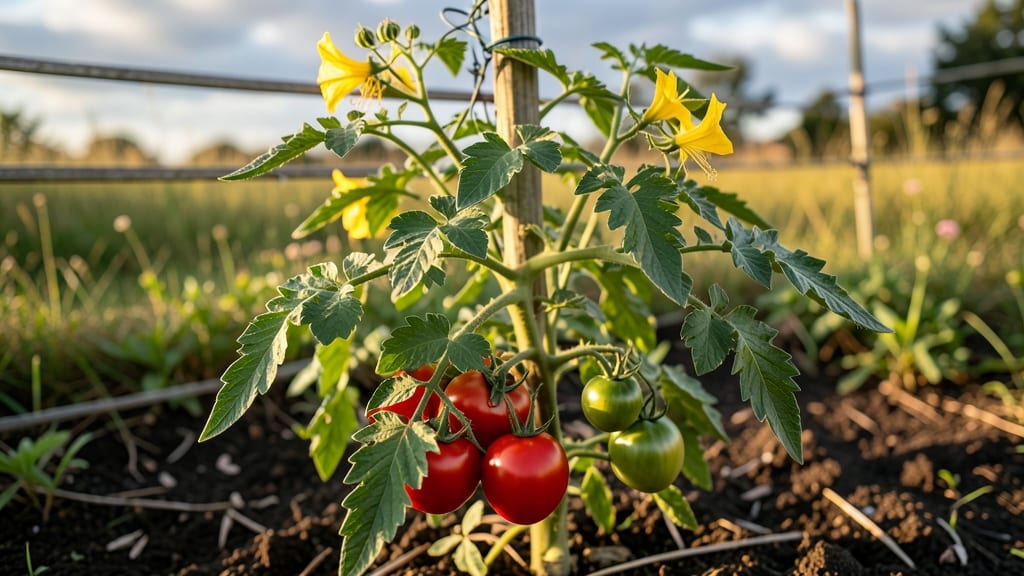
Growing the largest tomato you've ever seen starts with the right variety and a little patience. 🌱 My first attempt with 'Siberian' tomatoes ended with 2-pound fruits that made my neighbors do a double-take—and that was just my second season.
The secret isn't some fancy trick but a combination of heirloom genetics, proper pruning, and consistent care that lets those vines focus all their energy on fruit development.
You'll need space (or a sturdy cage), rich soil with balanced nitrogen and phosphorus, and a watering routine that keeps roots happy without causing cracks. Most gardeners overlook the pruning step, but removing suckers early directs energy to fewer, larger fruits.
I've seen tomatoes double in size just by adjusting this one technique—no expensive fertilizers needed.
By mid-summer, you'll be harvesting beefsteak tomatoes that weigh 1-2 pounds each, with flavors that put store-bought varieties to shame. The first bite is always a shock—how did something so big taste so good?
With the right support system, these giants won't rot or split, and you'll avoid the common pitfalls that keep tomatoes from reaching their full potential.
This method works best in warm climates (zones 5-10) with long growing seasons, but container growers in cooler areas can still get impressive results with early starts and black plastic mulch. The key is consistency—once you find your rhythm, those giant tomatoes become your garden's star attraction every year.
📚 In This Guide
- What you need
- Instructions
- Tips and common mistakes
- Wrapping up and next steps
What you need
- ● Giant tomato seeds: Choose from varieties like ‘Beefsteak,’ ‘Brandywine,’ ‘Cherokee Purple,’ or ‘Siberian’—these are known for their massive yields and size. Buy 3–5 seeds per plant (germination rates vary!).
- ● Large containers or raised beds: Minimum 18–24 inches deep (tomatoes need room for roots!).
- ● At least 2–3 feet in diameter (or 12–18 inches wide for raised beds).
- ● 5–10 gallons of soil capacity per plant (bigger = better for giants!).
- ● High-quality potting mix: 50% compost + 50% premium garden soil (or a tomato-specific mix with added perlite for drainage). ~10–15 cubic feet per plant.
- ● Fertilizer: Balanced 10-10-10 or 5-10-10 fertilizer for early growth.
- ● Switch to low-nitrogen, high-phosphorus (e.g., 0-10-10) when flowering/fruiting begins.
- ● Organic options: Compost tea, worm castings, or bone meal (follow package rates).
- ● Support system: Cage or stake: 6–7 feet tall (tomatoes can get heavy—think 10+ lbs per fruit!).
- ● Trellis or A-frame: For indeterminate varieties (grows 6+ feet tall).
- ● Ties/clips: Soft plant ties or Velcro straps (50+ per plant—trust us, you’ll need ‘em!).
- ● Watering supplies: Drip irrigation or soaker hose (consistent moisture = giant tomatoes!).
- ● Watering can with a long spout (for targeted hydration).
- ● Pruning tools: Sharp bypass pruners (for clean cuts).
- ● Gloves (tomato thorns are no joke!).
- ● Mulch: Straw or black plastic to retain moisture and suppress weeds.
- ● Shade cloth: 30–50% coverage for hot climates (prevents sunscald on giant fruits).
- ● Growth regulators: Gibberellic acid (follow label) to encourage fruit expansion.
- ● Soil additives: Mycorrhizal fungi (boosts root health).
- ● Epsom salt (magnesium for leaf health).
- ● Harvesting aid: A large basket or net (those tomatoes will break if dropped!).
Step-by-step instructions for cultivating giant tomato varieties
Here’s how to grow tomatoes so massive they’ll make grocery store finds look like cherry tomatoes.
🌱 Step 1: Select the Right Giant Variety and Start Early
Choose a proven giant variety like ‘Cherokee Purple,’ ‘Brandywine,’ or ‘Big Beef.’ These produce 1-2 pound fruits that rival your favorite market tomatoes in size and flavor. Start seeds 8-10 weeks before your last frost date—giant tomatoes need a long, warm season to reach their full potential.
I like to sow seeds in biodegradable pots (like peat or coconut coir) to avoid transplant shock. Fill them with sterile seed-starting mix and plant two seeds per pot—just in case. Press them ¼ inch deep and keep the soil warm (75-85°F) for germination. You’ll see sprouts in 5-10 days if conditions are right.
☀️ Step 2: Provide Maximum Sun and Support Early
Giant tomatoes need full sun (8+ hours daily) and strong support from day one. As soon as seedlings show their first true leaves, transplant them into 5-gallon containers or directly into the garden with sturdy cages or stakes (at least 6 feet tall).
Here’s the thing—giant varieties grow top-heavy, so I always install two supports per plant or use a tomato trellis for extra stability. If you’re growing in containers, choose self-watering pots to prevent root stress from inconsistent moisture. Watch for first flowers—they’ll appear 6-8 weeks after transplanting—and pinch them off until the plant has 4-5 main stems. This redirects energy to root and stem growth.
💧 Step 3: Water Deeply and Fertilize for Monster Growth
Giant tomatoes need consistent moisture—1-2 inches per week—but never soggy soil. Water deeply at the base in the morning to encourage strong root systems. You’ll know you’re doing it right when the soil feels damp 2 inches down but not waterlogged.
Feed plants every 2 weeks with a balanced fertilizer (10-10-10) until flowering, then switch to a low-nitrogen, high-phosphorus formula (5-10-10) to boost fruit development. I also mix in compost tea weekly for micronutrients. Avoid over-fertilizing—too much nitrogen leads to leafy growth at the expense of fruit size.
✂️ Step 4: Prune and Train for Maximum Yield
Pruning is key to giant tomatoes. Remove suckers (the small shoots in the leaf axils) weekly to focus energy on main stems and fruit. Leave 2-3 main stems per plant for airflow and sunlight penetration. You’ll also want to trim lower leaves that touch the soil to prevent disease.
Train vines along the trellis or cage, tying them every 12 inches with soft garden twine. This keeps the plant upright and prevents breakage. Here’s a pro tip: leave only 3-4 leaves below each fruit cluster—this ensures the plant can support the weight without snapping. Watch for first blossoms and fruit set—this is when the magic happens.
🍅 Step 5: Harvest at Peak Ripeness for Maximum Size
Giant tomatoes take 80-100 days to mature, so patience is key. Harvest when the fruit is fully colored and slightly soft to the touch. Use two hands—giant tomatoes are heavy and can bruise easily. Cut stems with clean pruners to avoid damaging the plant.
Store harvested tomatoes at room temperature for 2-3 days to ripen fully. They’ll keep in the fridge for up to 2 weeks, but nothing beats the flavor of a freshly picked giant. You’ll know you’ve succeeded when your tomatoes weigh over a pound each—worth every extra step!
Tips & tricks for perfect giant tomato cultivation
Growing tomatoes that rival market giants takes more than just sunshine—it’s about the small details that make all the difference.
Variety Matters: While ‘Cherokee Purple,’ ‘Brandywine,’ and ‘Big Beef’ are your best bets for giant tomatoes, don’t overlook heirloom varieties like ‘Mortgage Lifter’ or ‘Beefsteak.’ These produce fruits that can reach 1-2 pounds each when given proper care. I’ve found that starting with certified organic seeds often yields stronger, more vigorous plants—especially important for varieties that need to support such heavy fruit loads.
Germination Secrets: The 75-85°F soil temperature range for germination is non-negotiable, but there’s a trick to speed things up: place your seed trays on top of your refrigerator (not inside) where it’s naturally warmer. This creates a perfect microclimate without risking overheating. Once sprouts appear in 5-10 days, move them to a sunny windowsill or under grow lights immediately—they’ll need that light to prevent leggy seedlings.
Support System Strategy: When installing those 6-foot tall stakes or trellises in Step 2, bury them 18-24 inches deep for maximum stability. I’ve seen too many giant tomato plants topple because their supports weren’t anchored properly. For extra insurance, I add a second stake at a 45-degree angle to create an "X" shape—this prevents the plant from rocking in windy conditions. The 12-inch spacing for tying vines is perfect, but use soft garden twine or even old T-shirts cut into strips—they’re gentler on plant stems than wire.
Fertilizer Timing: The switch from 10-10-10 to 5-10-10 fertilizer at flowering is crucial, but here’s what nobody tells you: mix your fertilizer with water first, then apply it to the soil—not the leaves. This prevents leaf burn while ensuring roots get the nutrients they need. And that weekly compost tea? I make mine by steeping compost in water for 24-48 hours—it’s packed with micronutrients that make all the difference for giant fruit development.
Pro Tips for The Largest Tomato
- Growing tomatoes that rival market giants takes more than just sunshine—it’s about the small details that make all the difference.
- Variety Matters: While ‘Cherokee Purple,’ ‘Brandywine,’ and ‘Big Beef’ are your best bets for giant tomatoes, don’t overlook heirloom varieties like ‘Mortgage Lifter’ or ‘Beefsteak.’
- This creates a perfect microclimate without risking overheating.
Frequently asked questions
Got questions about growing the largest tomatoes? You’re not alone! Here are answers to the most common curiosities—from picking the right variety to troubleshooting giant-growing challenges.
What’s the best tomato variety for growing the largest fruit?
The Brandywine and Cherokee Purple are legendary for their massive, beefsteak-sized tomatoes (often 1–2 lbs each!). For even bigger results, try Big Beef or Sungold (though the latter is smaller but prolific). Heirloom varieties like Mortgage Lifter can also hit record-breaking sizes with ideal care.
How long does it take to grow a giant tomato?
Giant tomatoes need 80–100 days from transplant to harvest, depending on the variety and climate. Start seeds indoors 6–8 weeks before the last frost, then transplant seedlings outdoors. Patience is key—some varieties (like Brandywine) mature slower but reward you with monster-sized fruit!
What’s the ideal temperature for growing giant tomatoes?
Tomatoes thrive in 70–85°F (21–29°C) daytime temps and 60–70°F (15–21°C) nights. Avoid extremes: below 50°F (10°C) stunts growth, while above 90°F (32°C) can cause blossom drop. Use shade cloth in peak summer or mulch to regulate soil temps.
Why aren’t my tomatoes growing as large as I hoped?
Common culprits include:
- Overcrowding: Give plants 18–24 inches of space (or prune aggressively).
- Nutrient deficiencies: Feed with balanced fertilizer (10-10-10) and compost every 2–3 weeks.
- Water stress: Deep-water 1–2 inches per week; avoid wetting leaves to prevent disease.
- Pollination issues: Hand-pollinate on cloudy days by gently shaking plants.
If fruit cracks or stays small, check for blossom end rot (calcium deficiency) or pests like hornworms.
Can I grow giant tomatoes in containers?
Yes! Choose determinate varieties (like Big Rainbow) or dwarf Brandywine hybrids for containers. Use a 5-gallon pot minimum, ensure drainage, and fertilize regularly. Containers dry out faster, so monitor soil moisture closely. Just don’t expect record-breaking sizes—ground-grown plants win for sheer size!
Wrapping up and next steps
Growing the largest tomato of your life isn’t just about bragging rights—it’s a rewarding journey that blends patience, passion, and a little scientific know-how! 🌱 Whether you’re drawn to the towering Sungold, the beefy Brandywine, or the record-breaking Big Beef, remember: consistency in care and a dash of creativity will take your harvests to new heights. Now’s your chance to put these tips into action!
Ready to crush the competition? Start with one giant-seed variety this season—plant, nurture, and document your progress. Who knows? Your backyard (or balcony!) could soon be the talk of the town—or even the Guinness Book of World Records. Happy growing! 🍅✨