
Vegetables
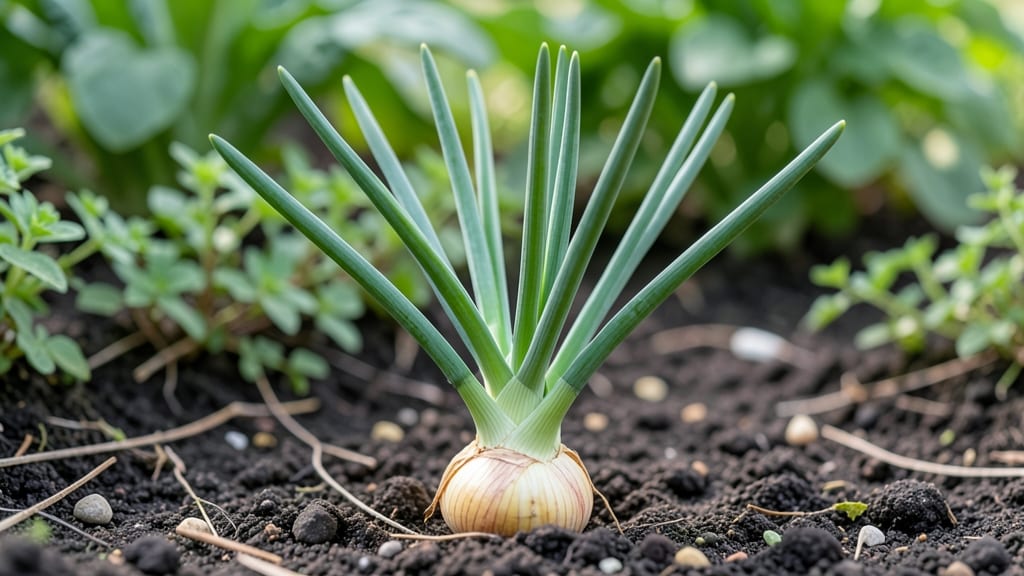
Growing Tokyo bunching onions is like having a perpetual green onion factory in your garden. 🌱 These fast-growing, mild-flavored onions thrive in cool weather and keep producing tender shoots all season long—no replanting needed.
My first batch started in early spring and gave me fresh green onions for months without ever bolting or turning bitter.
They're foolproof for beginners because they forgive mistakes: too much water? They bounce back. Too little? They tell you by slowing growth. Just give them loose, well-draining soil with a sprinkle of compost, and they'll reward you with harvests every 3-4 weeks.
Perfect for containers, raised beds, or garden plots in zones 3-9.
What you'll love most is how easy harvesting is—just snip the outer stalks, and new ones grow in their place. The flavor stays fresh and mild, even after multiple harvests. By midsummer, you'll have enough to share with neighbors who'll be jealous of your endless supply.
They're not true perennials but will regrow for 2-3 seasons if you keep them healthy. The key is consistent moisture and a spot with 4-6 hours of sunlight daily.
Even in small spaces, these onions deliver big results with almost no effort—ideal for busy gardeners who want fresh flavors without the fuss.
📚 In This Guide
- What you need
- Instructions
- Tips and common mistakes
- Wrapping up and next steps
What you need
- ● Tokyo Bunching Onion Seeds or Sets: 1–2 oz (30–60g) of seeds (or 10–20 onion sets for faster growth). Look for Allium fistulosum varieties labeled for bunching onions.
- ● Growing Medium: Well-draining potting mix (for containers) or loose, fertile garden soil (amend with compost if needed).
- ○ Optional: Perlite or vermiculite (¼ cup per 5-gallon pot) to improve drainage.
- ● Containers or Garden Space: Containers: 5–7 inch deep pots (at least 2–3 per plant for better air circulation).
- ● Garden Beds: Full sun (6+ hours/day) and space 6–12 inches apart in rows.
- ● Fertilizer: Balanced organic fertilizer (e.g., 5-5-5 or 10-10-10) or compost tea for a nutrient boost.
- ● Watering Tools: Watering can with a fine rose nozzle or a gentle hose attachment.
- ● Hand Trowel or Transplant Spade (for digging small holes or transplanting sets).
- ● Pruning Shears or Scissors (to trim yellowed leaves and encourage regrowth).
- ● Mulch (Straw or Shredded Leaves) (to retain moisture and suppress weeds).
- ● Garden Gloves (for messy soil or thorny onion tops).
- ● Row Covers or Cloche (to protect seedlings from frost or pests in early stages).
- ○ pH Test Kit (optional but helpful—ideal soil pH: 6.0–7.0).
Step-by-Step instructions for growing Tokyo bunching onions
Here's how I grow tender, sweet Tokyo bunching onions—no fuss, no fussing.
🌱 Step 1: Start Seeds Indoors or Buy Transplants
Tokyo bunching onions thrive when started 6-8 weeks before your last frost date. I opt for transplants from a nursery to skip the waiting game, but if you're sowing seeds, use a seed-starting mix in 2-3 inch deep pots. Plant seeds ¼ inch deep and keep soil moist at 65-75°F until sprouts appear in 10-14 days.
If buying transplants, choose healthy ones with 3-4 inch tall stems and no yellow leaves. You'll need 4 plants for a full harvest—space them 6 inches apart in the garden. The key here? Don't rush. Wait until soil is at least 50°F and all frost danger has passed.
🪴 Step 2: Prepare the Soil and Plant
Tokyo bunching onions love loose, fertile soil with good drainage. Mix 2 inches of compost into the top 6 inches of soil and work in a handful of balanced organic fertilizer (10-10-10). These onions are heavy feeders and won't forgive poor soil.
Dig holes twice as wide as the root ball and place each plant so the base sits ½ inch below soil level. This ensures stability and prevents stems from falling over later. Water deeply right after planting to settle the soil and remove any air pockets around the roots.
☀️ Step 3: Provide Sun and Consistent Water
Tokyo bunching onions need full sun (6-8 hours daily) for sweet, tender growth. A south-facing spot is ideal, but they tolerate partial shade if you live in a hot climate. You'll see the first shoots emerge in 2-3 weeks—watch for bright green leaves that feel crisp when pinched.
Water 1 inch per week, keeping soil evenly moist but never soggy. Let the top 1 inch of soil dry between waterings—wilting leaves mean it's time to hydrate. Mulch with 2 inches of straw to retain moisture and suppress weeds. This is where most gardeners mess up: underwatering causes bitter onions, while overwatering leads to rot.
✂️ Step 4: Harvest and Encourage Regrowth
The magic of Tokyo bunching onions? You can harvest outer leaves as needed and the plant keeps producing. Once stems reach 8-10 inches tall, snip the outer leaves with clean scissors, leaving 4-6 inches of growth remaining. Use the harvested greens immediately or store in the fridge for up to 2 weeks.
After harvesting, fertilize lightly with fish emulsion to encourage new growth. You'll see fresh shoots emerge in 2-3 weeks. This cycle repeats all season—harvest, regrow, repeat. By late summer, growth slows, but with proper care, you can coax a final harvest before frost.
🌿 Step 5: Overwinter for Year-Round Harvests
In mild climates, Tokyo bunching onions survive winter and regrow in spring. Cut back stems to 2 inches tall before the first frost, then mulch heavily with 4-6 inches of straw to insulate roots. In colder zones, dig up plants, trim stems to 4 inches, and pot them up for indoor growing.
Place potted plants near a south-facing window or under grow lights for 12-14 hours of light daily. Water sparingly—just enough to keep soil from drying out. You'll get 3-4 more harvests before spring planting. Here's the thing: most gardeners quit after the first harvest, but the real reward comes from year-round greens with minimal effort.
Tips & tricks for growing Tokyo bunching onions
These simple strategies will help you grow sweet, tender Tokyo bunching onions with confidence—no green thumb required.
Timing Secret: If you're sowing seeds indoors, use a heat mat to maintain that 65-75°F soil temperature consistently. I learned this the hard way after waiting two weeks for sprouts that never came—turns out, cool soil slows germination dramatically. Once they sprout, keep them under grow lights for 12-14 hours daily to prevent leggy seedlings.
Soil Prep Strategy: For the 2 inches of compost in Step 2, I recommend using well-aged compost mixed with a bit of perlite or coarse sand. This improves drainage while still providing nutrients, which is crucial since Tokyo bunching onions are heavy feeders. If your soil is clay-heavy, consider building a raised bed—this prevents waterlogging that can lead to rot.
Harvesting Hack: When harvesting those outer leaves in Step 4, always use clean, sharp scissors to make clean cuts just above a leaf node. This encourages new growth while preventing disease entry points. I also like to harvest in the morning when leaves are crispest—this gives you the freshest flavor for cooking. The 4-6 inch regrowth guideline is perfect for maintaining plant health while maximizing yield.
Winter Survival Tip: In colder climates, don't skip the 4-6 inches of straw mulch in Step 5—it's the difference between losing your plants and getting free greens next spring. I've had plants survive -10°F temperatures with proper mulching. For indoor overwintering, a simple LED grow light works better than a south-facing window—it provides consistent 12-14 hours of light without the temperature fluctuations you get from natural light.
Pro Tips for Tokyo Bunching Onions
- These simple strategies will help you grow sweet, tender Tokyo bunching onions with confidence—no green thumb required.
- Timing Secret: If you're sowing seeds indoors, use a heat mat to maintain that 65-75°F soil temperature consistently....
- Soil Prep Strategy: For the 2 inches of compost in Step 2, I recommend using well-aged compost mixed with a bit of pe...
Frequently asked questions
What’s the best time to plant Tokyo Bunching Onions in my region?
Tokyo Bunching Onions thrive in cool weather—plant them 4-6 weeks before your last frost in spring (March–April in most zones) or 6-8 weeks before your first frost in fall (August–September). In mild climates (like Tokyo!), you can even grow them year-round with shade in summer. Check your local frost dates for perfect timing!
Do Tokyo Bunching Onions need full sun, or can they grow in shade?
They prefer full sun (6+ hours daily) for sweet, robust growth, but they tolerate partial shade (4–6 hours), especially in hot summers. In Tokyo’s urban gardens or balconies, place them near east-facing windows or under dappled shade (like trees) to prevent bolting. Pro tip: Use reflective surfaces (white walls, mirrors) to boost light in shady spots!
Why are my Tokyo Bunching Onions turning bitter or flowering early?
Bitter taste or early bolting (flowering) usually means too much heat or long daylight. To fix it:
- Move to shade if temps exceed 80°F (27°C).
- Harvest leaves early (before bulbs form) for milder flavor.
- Avoid overcrowding—space plants 6–8 inches apart for airflow.
If they bolt, harvest the scallions (green tops) for cooking—they’re still edible!
Can I grow Tokyo Bunching Onions in containers, and what’s the ideal pot size?
They’re perfect for containers. Use pots at least 8–12 inches deep and 12+ inches wide for 3–5 plants per pot. Ensure pots have drainage holes and fill with well-draining soil. Bonus: Mix in compost for extra nutrients—Tokyo Bunching Onions are heavy feeders!
What’s a good alternative if Tokyo Bunching Onions don’t grow well in my climate?
If your climate is too hot or humid, try these low-maintenance alternatives:
- Evergreen Hardy White Onions – Cold-hardy and slow to bolt.
- Shallots – Mild flavor, great for containers.
- Green Onion Varieties (e.g., ‘Tokyo Cross’) – Similar taste, faster harvest.
For tropical climates, opt for leeks or Welsh onions, which handle heat better.
Wrapping up and next steps
Growing Tokyo bunching onions is a rewarding journey that brings fresh, flavorful greens to your table with minimal fuss! Whether you’re a seasoned gardener or just starting out, their hardiness and quick harvests make them a perfect choice for year-round growing.
With the right setup—like containers, well-draining soil, and consistent care—you’ll enjoy a steady supply of these mild, versatile onions.
Ready to dive in? Start small with a single pot or expand to a full garden bed—your kitchen (and taste buds) will thank you! 🌱💚 Next up: Pick your spot, grab those seeds, and let the green goodness grow!