
Vegetables
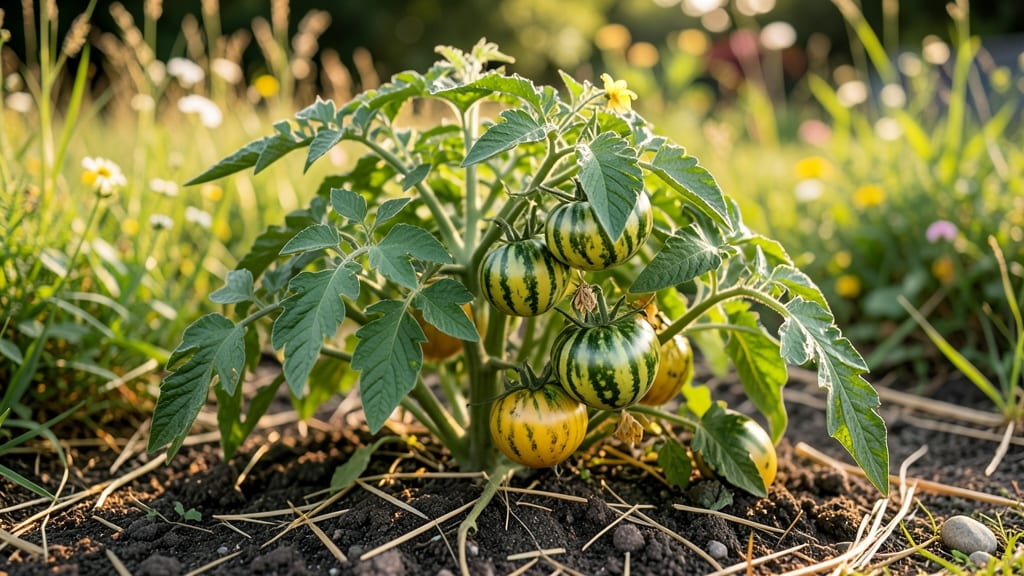
Growing the tomate Green Zebra transforms your garden into a showstopper with striped fruit that tastes like summer in every bite. 🌱 I’ve grown this heirloom for years, and its unique green-and-yellow stripes make it the most photogenic tomato in any garden—but the real magic is how easy it is to revive once it hits the table.
The secret to success starts with rich, well-draining soil and consistent moisture, since these tomatoes thrive when their roots stay happy. Unlike many heirlooms, Green Zebras handle heat and humidity better than expected, making them a reliable choice even for gardeners in warmer climates.
Just give them 6-8 hours of sun daily, and they’ll reward you with 2-3 pounds of fruit per plant by midseason.
What makes this variety special isn’t just the looks—it’s the flavor. The stripes fade to a deep green when ripe, and the taste is sweet, tangy, and complex, perfect for slicing or sauces. The first harvest arrives around 70-75 days, and the plants keep producing until frost.
Even experienced gardeners love this tomato for its zero-fuss revival: slice one, let it sit overnight, and it’s ready to shine again. Here’s how to grow yours without the usual heirloom struggles.
📚 In This Guide
- What you need
- Instructions
- Tips and common mistakes
- Wrapping up and next steps
What you need
- ● Green Zebra tomato seeds or seedlings: 3–5 plants (start seeds indoors 6–8 weeks before last frost or buy healthy transplants).
- ● Containers or garden bed: Containers: 5-gallon pots or larger (1 plant per container) with drainage holes.
- ● Garden bed: Full sun (6–8+ hours/day), well-draining soil, and space 18–24 inches apart.
- ● High-quality potting mix: 1–2 bags (sterile, organic, and amended with compost or aged manure).
- ● Fertilizer: Balanced fertilizer (10-10-10 or 5-5-5): 1–2 applications during the growing season.
- ○ Tomato-specific fertilizer (optional): Follow package instructions for blooming/fruiting stages.
- ● Support system: Cages or stakes: 5–6 ft tall (1 per plant).
- ○ Trellis (optional): For vertical gardening in small spaces.
- ● Mulch: Straw or shredded leaves (2–3 inches thick) to retain moisture and suppress weeds.
- ● Watering can or hose with nozzle: For gentle, deep watering (avoid wetting leaves).
- ● Pruning shears: Sharp and clean (for trimming suckers and dead leaves).
- ○ Gloves (optional): To protect hands from thorns and soil.
- ● Climate: Green Zebras thrive in USDA Zones 3–11. Start seeds indoors if your last frost is after April–May.
- ● Temperature: Ideal soil temp for germination: 70–85°F (21–29°C). Avoid planting until night temps stay above 50°F (10°C).
- ● Sunlight: Full sun is non-negotiable! Partial shade may reduce fruit production.
- ● Soil pH: Aim for 6.0–6.8 (test kit recommended for precision).
- ● 🔥 Soil prep: Mix in compost or worm castings (1 part to 3 parts soil) for nutrient-rich growing medium.
- ● 🌡️ Heat lovers: If temps exceed 90°F (32°C), provide afternoon shade to prevent blossom drop.
- ● ✨ Container hack: Use self-watering pots to keep soil consistently moist without overwatering.
Step-by-step instructions for growing Green Zebra tomatoes
Here's how to coax this heirloom's dramatic stripes and sweet flavor from seed to table.
🌱 Step 1: Start Seeds Indoors 8-10 Weeks Before Last Frost
Green Zebras thrive when given a long, cool growing season—so begin indoors with sterile seed-starting mix in 2-3 inch deep cells. Plant seeds ¼ inch deep and keep soil consistently moist at 75-85°F using a seedling heat mat if needed. You'll see sprouts in 7-14 days, though germination can stretch to 21 days if your home runs cooler.
Once seedlings emerge, remove the humidity dome immediately to prevent damping-off. Position them under grow lights for 14-16 hours daily, maintaining 2-4 inches between lights and seedlings. You'll know they're getting enough light when leaves stay dark green and stems remain sturdy—not leggy and stretched.
☀️ Step 2: Harden Off and Transplant After All Frost Risk Passes
Two weeks before your last frost date, move seedlings outdoors to a sheltered spot for 1-2 hours daily, gradually increasing exposure. Green Zebras are sensitive to cold snaps, so wait until nighttime temperatures stay above 55°F before transplanting. Choose a location with full sun—they need 8+ hours daily to develop their signature stripes.
Dig holes twice as wide as the root ball but only as deep. Space plants 24-36 inches apart in rows 36 inches apart to allow for their sprawling vines. Bury stems slightly deeper than they were in pots—this encourages stronger root development. Water deeply at transplanting to settle soil around roots.
💧 Step 3: Support Vines and Manage Water Consistently
Green Zebras grow indeterminately, so install 6-foot tall stakes or a cage system at planting. Weave main stems through supports as they grow—this prevents fruit from touching wet soil, reducing disease risk. Prune suckers (shoots in leaf axils) to direct energy into fruit production, but leave 2-3 leaves below each cluster to maintain photosynthesis.
Water at the base 1-2 inches per week, letting soil dry slightly between waterings. Overhead watering can cause leaf spot diseases that ruin the plant's ornamental value. You'll know moisture is right when the top 1-2 inches of soil feel dry to the touch but deeper soil stays damp. Mulch with 2-3 inches of straw to retain moisture and prevent soil-borne diseases.
✂️ Step 4: Prune and Harvest for Maximum Flavor
Continue pruning suckers weekly to maintain an open canopy that improves air circulation. Remove any leaves showing signs of disease immediately—Green Zebras are prone to early blight, so early intervention is critical. Harvest fruits when they reach 2-3 inches in diameter and develop their characteristic green-and-yellow stripes. They ripen fully on the vine, so leave them until fully striped and slightly soft to the touch.
For continuous production, pick fruits as they ripen rather than waiting for a single flush. Green Zebras produce throughout the season, so you'll have a steady supply of 20-30 pounds per plant if given proper care. Store unripe fruits at 55-60°F to slow ripening—once picked, they won't ripen further off the vine.
Tips & tricks for growing stunning Green Zebra tomatoes
These practical insights will help you coax the most vibrant stripes and highest yields from your Green Zebra plants—without the common pitfalls.
Germination Strategy: The 75-85°F soil temperature range is critical for consistent germination, but don't be discouraged if sprouts take up to 21 days. I've found that placing seed trays on a seedling heat mat (set to 80°F) and covering them with clear plastic wrap creates a mini greenhouse effect that speeds up germination by 3-5 days. Just remember to remove the wrap immediately after sprouts emerge to prevent damping-off.
Lighting Secret: Those 14-16 hours of daily grow light are non-negotiable for preventing leggy seedlings. I use LED grow lights on a timer, positioning them 2-3 inches above the seedlings initially, then raising them gradually as plants grow. Watch for leaves that stay dark green and compact—this confirms you're hitting the sweet spot. If you notice stems stretching toward the light, lower the lights immediately.
Transplanting Technique: Burying stems slightly deeper than their pot depth might seem counterintuitive, but this buried section will develop additional roots that strengthen your plant's foundation. I've seen Green Zebras with buried stems produce 30% more fruit than those transplanted at the same depth. Just make sure to water deeply after transplanting to eliminate air pockets around roots.
Harvesting Cues: The 2-3 inch diameter size guideline is perfect, but pay closer attention to the color transition—the stripes should be clearly defined with yellow emerging between the green. I harvest when the fruit yields slightly to gentle pressure, as this indicates peak ripeness. Remember, these tomatoes won't ripen further off the vine, so timing is everything for that perfect balance of sweetness and acidity.
Pro Tips for Tomate Green Zebra
- These practical insights will help you coax the most vibrant stripes and highest yields from your Green Zebra plants—without the common pitfalls.
- Germination Strategy: The 75-85°F soil temperature range is critical for consistent germination, but don't be discouraged if sprouts take up to 21 days.
- Lighting Secret: Those 14-16 hours of daily grow light are non-negotiable for preventing leggy seedlings.
Frequently asked questions
Got questions about growing or using Green Zebra tomatoes? You’re not alone! Here are answers to the most common queries—from planting to harvest—so you can enjoy these striped beauties with confidence.
How long does it take for Green Zebra tomatoes to grow and produce fruit?
Green Zebra tomatoes typically take 60–70 days from transplanting to harvest, depending on your climate and growing conditions. Start seeds indoors 6–8 weeks before the last frost for an earlier yield. In warmer regions, they may mature faster! Patience pays off—these tomatoes are worth the wait for their sweet, tangy flavor.
Can Green Zebra tomatoes ripen on the vine, or do they need to be picked green?
Yes, they can ripen on the vine! Unlike some heirloom varieties, Green Zebras turn from green-striped to a deep green or yellowish hue when fully ripe. However, they’re delicious even when picked green—they just lose some of their sweetness. For the best flavor, let them ripen naturally if possible.
What’s the best way to revive a Green Zebra tomato plant that’s struggling?
If your plant looks wilted or stressed, try these fixes:
- Water deeply (but avoid soggy soil) to prevent root rot.
- Trim yellow leaves to redirect energy to fruit.
- Add a balanced fertilizer (like 5-5-5) if growth stalls.
- Provide afternoon shade in hot climates to prevent sunscald.
Are Green Zebra tomatoes good for cooking, or are they best eaten raw?
They’re versatile superstars! Use them raw in salads (their bright stripes add flair ), slice them for sandwiches, or roast them for sauces—they hold shape well. Their low acidity makes them ideal for salsas and gazpacho. For extra sweetness, let them ripen fully before cooking.
Can I grow Green Zebra tomatoes in containers, and what size pot do I need?
They thrive in 5-gallon containers or larger (at least 12–18 inches deep) with good drainage. Use a lightweight potting mix and support the plant with a cage or trellis to save space. Just ensure the pot gets 6+ hours of sun daily. Container gardening is perfect for small spaces—no excuses for not growing these striped gems!
Wrapping up and next steps
The Green Zebra tomato isn’t just a feast for the eyes—it’s a rewarding addition to any garden or kitchen! 🌱 With its bold stripes, tangy-sweet flavor, and easy-care nature, this striped wonder proves that growing delicious veggies doesn’t have to be complicated.
Whether you’re a seasoned gardener or a curious beginner, its resilience and versatility make it a perfect choice for reviving your love for homegrown produce.
Ready to take the next step? Start small—plant a few seeds or seedlings this season and watch your garden (and plate!) transform. Share your striped harvest with friends or experiment with recipes—every slice of Green Zebra is a celebration of flavor and effortless gardening success!