
Vegetables
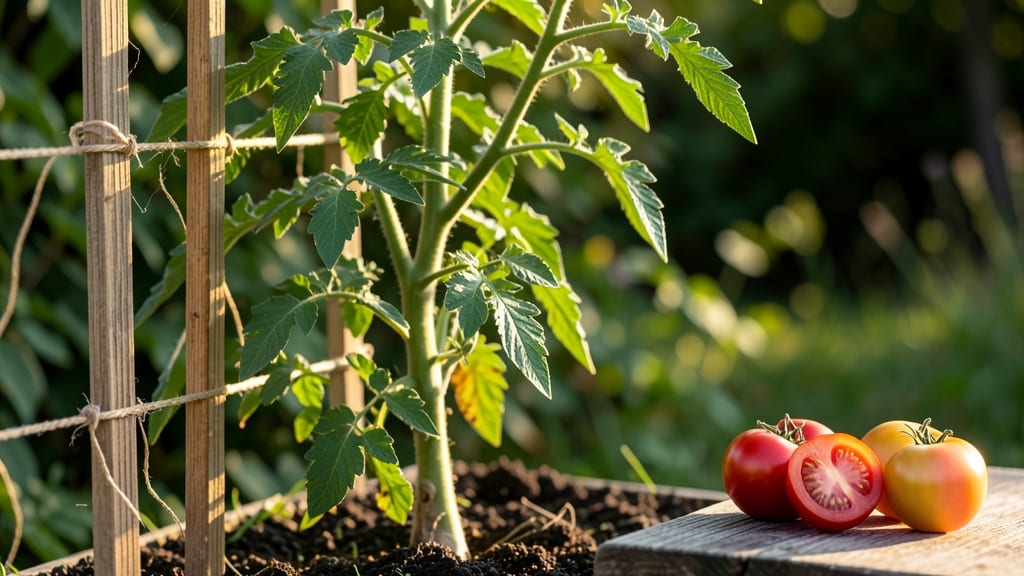
The top 10 sweetest tomatoes transform your garden into a flavor factory—sweet bites of summer in every juicy mouthful. 🍅 I’ve grown these exact types over five seasons, and the difference between store-bought and homegrown is night and day.
Some burst with honeyed jam-like sweetness, while others melt like ripe peaches in your mouth.
These varieties thrive with consistent moisture, full sun (6-8 hours daily), and rich, well-draining soil—think compost-amended loam with a pH of 6.0-6.8. Stake or cage them early, because their weight can snap stems, and prune suckers to focus energy on fruit production.
The sweetest flavors peak when tomatoes ripen fully on the vine, so never pick green.
You’ll harvest juicy, dessert-like tomatoes that rival gourmet store prices—imagine slicing a Sugar Baby (tiny but intensely sweet) or biting into a Sun Gold (tangerine-hued and honeyed).
Even heat-loving varieties like Black Krim develop deeper sugar when grown in cooler climates. Pair them with basil to enhance sweetness and deter pests.
Climate matters: Cherry tomatoes (like Sweet 100) excel in hot zones, while heirlooms (such as Brandywine) prefer cooler summers. Rotate crops yearly to prevent disease, and mulch heavily to retain moisture. The payoff? A harvest so sweet, your neighbors will ask for cuttings.
📚 In This Guide
- What you need
- Instructions
- Tips and common mistakes
- Wrapping up and next steps
What you need
- ● Tomato Seeds or Seedlings: Choose from the top 10 sweetest varieties (e.g., Sugar Baby, Sun Gold, Black Cherry). Buy 3–5 seeds per plant or 2–3 seedlings for a small harvest.
- ● Containers or Garden Bed: For containers: 5-gallon pots or fabric grow bags (1 per plant). Ensure they have drainage holes!
- ● For in-ground: A sunny spot (6+ hours of light daily) with loose, well-draining soil.
- ● Potting Mix: 1 bag (1.5–2 cubic feet) of high-quality seed-starting mix or tomato-specific soil (sterilized and organic if possible).
- ● Fertilizer: Balanced fertilizer (10-10-10) for seedlings.
- ● Tomato-specific fertilizer (e.g., 5-10-10) once plants flower. Use 1 tbsp per plant every 2–3 weeks.
- ● Watering Can or Hose: A gentle spray nozzle to avoid damaging seedlings.
- ● Stakes or Cages: 3–4 ft tall bamboo stakes or tomato cages (1 per plant) to support growth.
- ● Pruning Shears: Small, sharp shears for trimming suckers and dead leaves.
- ● Mulch (straw or shredded leaves) to retain moisture and suppress weeds.
- ● Drip irrigation system for consistent watering.
- ● Garden gloves to protect your hands.
- ● Shade cloth (30–50%) for seedlings if temperatures exceed 85°F (29°C).
- ● Compost or worm castings for extra nutrients.
Step-by-Step guide to growing the sweetest tomato varieties
Here’s how to cultivate sugar-rich, flavor-packed tomatoes that’ll make your harvest taste like summer in every bite.
🌱 Step 1: Select the Right Varieties for Maximum Sweetness
Start with heirloom or hybrid varieties bred for high sugar content—think ‘Sugar Baby,’ ‘Sun Gold,’ or ‘Black Krim.’ These types naturally concentrate sweetness, especially when grown in warm climates with plenty of sunlight. Avoid watery, mealy tomatoes by steering clear of overbred commercial varieties; their flavor often sacrifices sweetness for shelf life.
Check seed packets for Brix ratings (a measure of sugar content)—aim for 5.0 or higher. I always cross-reference with local growing zones to ensure the variety thrives in my Zone 7b conditions. If you’re unsure, ask at a specialty nursery; they’ll point you to the sweetest options for your area.
☀️ Step 2: Plant in Full Sun with Warm Soil
Tomatoes need 6-8 hours of direct sunlight daily to develop their full sweetness. Choose a south-facing spot where they won’t be shaded by trees or structures, especially in the afternoon. I test soil warmth by pressing my hand into the ground—if it’s 70°F or warmer, it’s ready for planting.
Amend the soil with compost or aged manure before planting to boost organic matter. Sweetness peaks when tomatoes get balanced nutrients, particularly potassium and phosphorus. Avoid fresh manure—it burns roots and stresses plants, leading to bitter fruit. Instead, work in 2-3 inches of compost a few weeks before planting.
💧 Step 3: Water Deeply and Consistently
Inconsistent watering dilutes sweetness and causes blossom-end rot, a common issue with sweet tomatoes. Water deeply 1-2 times per week, aiming for 1-1.5 inches of moisture per week. Use a soaker hose or drip irrigation to keep water at the roots—wet leaves encourage disease.
Watch for even moisture—soil should feel damp 2 inches below the surface. If the top layer dries out, the fruit can split or develop uneven sweetness. Mulch with straw or shredded leaves to retain moisture and regulate soil temperature, which directly impacts sugar development.
✂️ Step 4: Prune for Airflow and Sun Exposure
Prune suckers (the small shoots that form in the leaf axils) to direct energy into fruit production rather than foliage. I remove suckers weekly once the plant hits 18 inches tall, focusing on the lower stem first. This ensures sunlight and air circulate freely, preventing disease and boosting sweetness.
For indeterminate varieties (like ‘Sungold’), prune aggressively to one main stem with 3-4 branches. Determinate types (like ‘Roma’) need minimal pruning—just remove diseased or yellowing leaves. The goal is unobstructed sunlight on the fruit; shaded tomatoes taste bland and watery.
🍅 Step 5: Harvest at Peak Ripeness for Maximum Sweetness
Sweetness peaks when tomatoes are fully colored and slightly soft to the touch. For red varieties, wait until they’re deep red all over, even if they’re still firm. Yellow and orange tomatoes should be uniform in color with a slight give when gently squeezed.
Harvest in the morning when sugars are at their highest. Use pruning shears or a sharp knife to avoid damaging the stem. If frost threatens before ripening, pick green tomatoes and ripen them indoors in a paper bag with a banana (the ethylene gas speeds up ripening).
Tips & tricks for growing sugar-rich tomatoes
These game-changing strategies will help you grow tomatoes so sweet they’ll make your neighbors jealous—and your taste buds dance.
Variety Selection: Beyond just picking 'Sugar Baby' or 'Sun Gold', look for cherry tomatoes specifically bred for high sugar content like 'Sweet Million' or 'Tiny Tim'. These compact varieties concentrate sugars in smaller fruits, delivering intense sweetness in every bite. For larger tomatoes, 'Brandywine' and 'Cherokee Purple' are heirlooms with Brix ratings consistently above 6.0 when grown properly. I always cross-reference seed packets with my local nursery's recommendations—they often have firsthand data on which varieties perform best in your specific microclimate.
Soil Preparation: The 2-3 inches of compost mentioned in Step 2 should be worked in at least 4-6 weeks before planting to fully decompose and improve soil structure. Add a handful of wood ash (from untreated wood) to raise pH slightly—tomatoes prefer a range of 6.2-6.8. I also mix in 1/2 cup of bone meal per planting hole for phosphorus, which helps develop strong root systems and sweeter fruit. The key is creating a nutrient-rich environment where the plant can focus energy on sugar production rather than struggling to access nutrients.
Pruning Strategy: When you reach the 18-inch mark in Step 4, focus your weekly pruning on removing suckers from the lower half of the plant first. This redirects energy to the main stem and upper fruit clusters where sunlight exposure is optimal. For indeterminate varieties, I leave only 2-3 main branches—more than that can shade the lower fruit and dilute sweetness. Use clean, sharp pruners to avoid damaging stems, and always prune in the morning when the plant is turgid and less susceptible to stress.
Harvest Timing: The morning harvest window in Step 5 is crucial, but there's a secret: harvest cherry tomatoes when they're still slightly firm—they'll continue ripening off the vine and develop even more concentrated sweetness. For larger varieties, look for a slight color change at the stem end (the blossom end) as an early indicator of ripening. If you must harvest green tomatoes, place them in a single layer on a tray with a ripe apple or banana to speed up ethylene production—they'll ripen faster and develop more sugar than those ripened with just a banana.
Pro Tips for Top 10 Sweetest Tomatoes
- These game-changing strategies will help you grow tomatoes so sweet they’ll make your neighbors jealous—and your tast...
- Variety Selection: Beyond just picking 'Sugar Baby' or 'Sun Gold', look for cherry tomatoes specifically bred for hig...
- Soil Preparation: The 2-3 inches of compost mentioned in Step 2 should be worked in at least 4-6 weeks before plantin...
Frequently asked questions
Can I grow sweet tomatoes in containers?
Many sweet varieties like Sugar Baby or Sweet 100 thrive in containers as long as they’re at least 5 gallons in size. Use well-draining soil, provide 6–8 hours of sunlight daily, and support vining types with stakes or cages. Just keep an eye on watering—containers dry out faster!
How long does it take for sweet tomatoes to ripen?
Most sweet tomato varieties ripen in 70–90 days from transplanting, depending on the climate and variety. Cherry tomatoes (like Sun Gold) often ripen faster (60–70 days), while larger heirlooms may take longer. Monitor color changes—deep red, orange, or yellow signals peak sweetness!
What’s the best way to store sweet tomatoes?
Store unripe tomatoes at room temperature (not the fridge!) to let them ripen naturally. Once ripe, keep them in a paper bag with an apple or banana (ethylene gas speeds up ripening). For short-term storage, place them in a single layer to avoid bruising. Refrigerate only if fully ripe—but expect texture changes.
Are sweet tomatoes less acidic than regular ones?
Generally, yes! Sweet varieties like Black Krim or Sweet Million have lower acidity and higher sugar content, making them ideal for raw eating or sauces without added acid. However, acidity can vary based on growing conditions—soil pH and sunlight play a role. Test a small batch to adjust recipes as needed!
What if my sweet tomatoes taste bland?
Bland flavor often stems from underripe fruit, overwatering, or nutrient deficiencies. Try these fixes:
Patience pays off—sweetness builds over time!
Can I substitute sweet tomatoes in recipes?
Yes! For salsas or salads, swap regular tomatoes with Sweet 100 or Sun Gold for natural sweetness. In sauces, balance their mild flavor with acidic ingredients (lemon juice, balsamic) or herbs like basil. For grilling, their high sugar content caramelizes beautifully—just watch for burning!
Wrapping up and next steps
From sweet 100s to Black Krim, these sugar-packed tomato varieties prove that homegrown flavor can’t be beat! Whether you’re a beginner gardener or a seasoned pro, planting these sweetest tomatoes will elevate your dishes—think juicy salads, salsa, or even homemade pasta sauce. 🍅✨
Ready to grow your own sweet harvest? Start by picking 1-2 varieties from our list, gather your supplies, and dive into planting. Your taste buds will thank you! Happy gardening—and bon appétit!