
Blooming
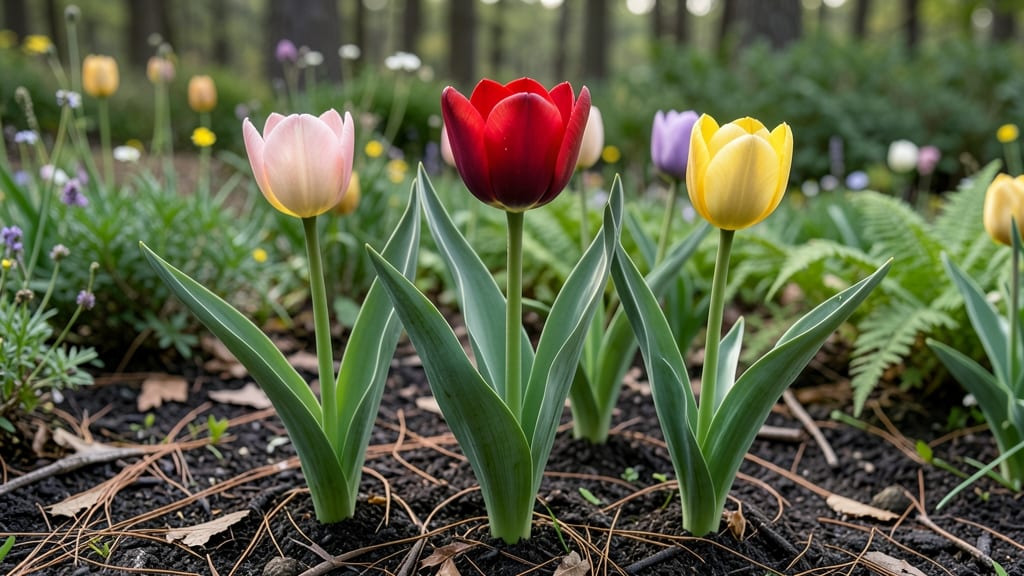
Tulip flower blooming season unfolds like clockwork in April and May—but the exact timing depends on your USDA zone, the variety you plant, and even last winter’s snowfall.
Picture this: one week, your garden is still blanketed in frost, and the next, you’re surrounded by a sea of 🌷 pink, purple, and yellow—if you’ve planted the right bulbs at the right time.
The secret isn’t just luck; it’s knowing when to expect those first buds to pop and how to coax your tulips into blooming earlier or later than the crowd.
Whether you’re in Zone 6a or further south, the right preparation—soil prep, watering, and deadheading—can stretch your tulip show from early spring deep into late May.
Below, I’ll break down the exact months for peak blooms by zone, plus the simple tricks to make your garden burst with color longer than ever.
Ready to turn your yard into a tulip paradise? Let’s dive into the science (and art) of timing so you never miss a single bloom.
Tulip blooming season by USDA Zone: exact months for peak flowering
Timing your tulip blooms to perfection starts with understanding your USDA zone. While most gardeners associate tulips with spring, the exact blooming window shifts dramatically from Zone 3 to Zone 10.
In colder climates, tulips may burst into color as early as late April, while southern gardens might see blooms stretching from February through May. The key? Choosing the right tulip varieties and planting them at the optimal time for your zone.
Northern gardeners in Zones 3-5 often face a shorter blooming window due to early frost risks, while southern gardeners in Zones 8-10 can enjoy prolonged displays thanks to milder winters. Even within a single zone, early bloomers like 'White Dream' can appear weeks before late varieties like 'Queen of Night'.
Let’s break down the exact months for peak tulip color across all zones, so you can plan your garden’s spring spectacle with precision.
🌷 Pro Tip: For continuous blooms, mix early, mid, and late-season varieties in the same bed. This creates a cascading effect that extends your tulip season by 4-6 weeks.
| USDA Zone | Early Bloomers (Peak Month) | Mid-Season (Peak Month) | Late Bloomers (Peak Month) | Total Bloom Window |
|---|---|---|---|---|
| 3-4 | Late April | Early May | Mid-May | 4-5 weeks |
| 5-6 | Early May | Mid-May | Late May | 5-6 weeks |
| 7-8 | February | March | April | 6-8 weeks |
| 9-10 | January | February | March | 8-10 weeks |
Bloom windows may shift 1-2 weeks earlier/later based on microclimates and variety selection.
In Zones 3-4, where winters are harsh, tulips like 'Ice Cream' and 'Red Emperor' often bloom in late April, while Zone 5 gardeners can expect mid-May peaks for varieties like 'Darwin Hybrid' tulips.
The transition to Zones 6-7 brings earlier blooms, with some varieties like 'Parrot tulips' starting as early as February in milder microclimates.
Southern gardeners in Zones 8-10 have the luxury of a longer season, with some January bloomers like 'Princess Irene' leading the charge. However, heat-sensitive varieties may struggle in Zone 10 if planted too late—aim for fall planting in October-November to avoid summer heat stress.
Always choose heat-tolerant varieties like 'Apeldoorn' for extended displays.
Climate plays a surprising role in tulip timing. In northern zones, a cold winter is essential for bulb dormancy, while southern zones may require chilling treatments (like refrigerating bulbs) to trigger blooming.
Even within a zone, elevation and soil temperature can shift bloom times by 1-2 weeks. For example, a high-altitude Zone 6 garden might see blooms align more with Zone 5 timing.
🌡️ Climate Hack: Monitor your local soil temperature. Tulips typically need 40-50°F soil to break dormancy. Use a soil thermometer to time planting for optimal blooms.
For gardeners in transitional zones like Zone 7, where winters can be mild or harsh, consider layered planting. Plant early varieties in full sun and late varieties in partial shade to create a staggered bloom effect.
This technique works especially well in Zone 7b, where you might see February blooms from shade-tolerant varieties followed by April peaks in sunny beds.
Don’t overlook container gardening for tulips in Zones 9-10. Pots allow you to move bulbs to cooler spots during summer heat, preserving their energy for next year’s blooms.
Choose dwarf varieties like 'Tiny Star' for containers, as they thrive in smaller spaces and bloom reliably even in urban heat islands.
Finally, remember that bloom time isn’t set in stone. Factors like watering consistency, fertilizer type, and even last year’s deadheading can influence timing. For example, over-fertilizing with nitrogen can delay blooms by encouraging leafy growth. Stick to a balanced 5-10-10 fertilizer in early spring for optimal results.
With this zone-by-zone guide, you’re now equipped to plan a tulip garden that blooms like clockwork—whether you’re in the frost-prone north or the mild-winter south. Happy planting! 🌱
How to extend your tulip season: planting strategies for longer blooms
Tulips don’t have to be a fleeting burst of color in your garden. With the right planting strategies, you can stretch their blooming season from early spring through late spring.
The secret? Staggering planting times and choosing varieties that bloom at different intervals. This way, as one batch of tulips fades, another takes center stage—creating a continuous color show.
I’ve found that combining early bloomers, mid-season varieties, and late-season tulips in the same bed transforms a one-month spectacle into a two-month celebration. Plus, adjusting soil temperatures and planting depths can fine-tune when each group emerges.
Let’s dive into the proven techniques that will keep your garden vibrant longer than ever before.
One of my favorite tricks is using container gardening to control bloom times. Plant a pot with early tulips in fall and another with late varieties in early spring.
Move the pots to different spots in your garden—one near a south-facing wall (warmer, earlier blooms) and the other in a shadier bed (cooler, delayed blooms). This gives you flexibility to adjust timing based on your microclimate.
Don’t overlook the power of deadheading and fertilizing to prolong blooms. After tulips fade, snip off the spent flowers but leave the foliage until it yellows. This ensures the bulb stores energy for next year’s blooms.
In early spring, add a balanced fertilizer (like 5-10-10) to give late bloomers a nutrient boost.
For extended color, interplant tulips with perennials that bloom at different times, like alliums (which follow tulips) or daffodils (which precede them). This creates a seamless transition and keeps your garden looking lively from March through June.
With these strategies, your tulip season won’t just be a highlight—it’ll be the main event all spring long.