
Vegetables
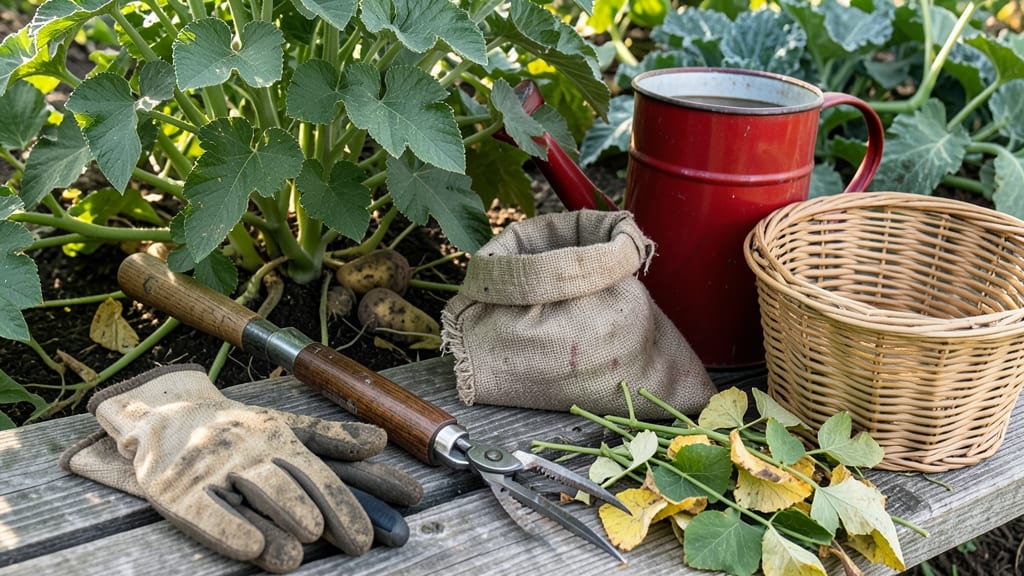
Vegetable gardening in Colorado isn’t just possible—it’s rewarding when you work with the land’s quirks. 🌱 The thin air and unpredictable weather mean traditional growing advice often falls short, but I’ve learned which crops thrive here and when to plant them for maximum success.
Hardy vegetables like potatoes, kale, and carrots are your best friends, while shorter-season crops like lettuce and radishes need to be timed just right. The key is adjusting your expectations: focus on cold-hardy greens in early spring, heat-tolerant plants in summer, and frost-resistant varieties in fall.
You’ll end up with a garden that produces even in Colorado’s challenges—think abundant harvests despite the altitude, fewer pests thanks to natural predators, and soil that stays fertile year after year. The secret? Matching varieties to microclimates and watering smarter than the weather.
Whether you’re in Denver’s urban plots or the high plains, these strategies adapt easily. Let’s get those seeds in the ground the right way—no guesswork, just proven results.
📚 In This Guide
- What you need
- Instructions
- Tips and common mistakes
- Wrapping up and next steps
What you need
- ● Garden plot: 4’ x 8’ minimum (raised beds or in-ground). Pro tip: Colorado’s thin soil? Try 12” deep raised beds for better drainage!
- ○ Soil: 2–3 cubic yards of high-quality compost (mix with native soil for aeration). Optional: Add perlite or vermiculite for rocky areas.
- ● Seeds/seedlings: Cold-hardy starts: Kale, spinach, peas (plant 4–6 weeks before last frost, ~March–April).
- ● Warm-season picks: Tomatoes, peppers, beans (wait until after May 15 when soil hits 50°F+).
- ● Quantity: 10–20 plants per variety (e.g., 3 tomato plants, 10 pepper plants).
- ● Watering: Drip irrigation kit (or soaker hoses) + 50–100 ft. tubing.
- ● Water storage: 5–10 gallon container (Colorado’s dry air = frequent watering!).
- ● Fertilizer: Balanced organic (e.g., 5-5-5) or compost tea (apply every 4–6 weeks).
- ● Row covers: Frost blankets (for late springs) or shade cloth (30–50%) (for intense summer sun).
- ● Windbreaks: Burlap sacks or tall plants (e.g., corn) to shield from 100+ mph winds.
- ● Mulch: Straw or wood chips (2–3” layer) to retain moisture in arid conditions.
- ● pH test kit: Aim for 6.0–7.0 (Colorado’s alkaline soil? Amend with sulfur if needed).
- ● Trellises: For vining plants (e.g., cucumbers, pole beans).
- ● Soil thermometer: Monitor seed-starting temps (critical for slow germination at high altitudes).
- ● Garden journal: Track planting dates, temps, and yields for next year’s success!
Step-by-Step guide to vegetable gardening in Colorado’s unique climate
Colorado’s high-altitude growing season demands smart planning—here’s how to work with its challenges for a bountiful harvest.
🌱 Step 1: Plan Your Planting Schedule Around Colorado’s Short Season
Colorado’s growing season varies dramatically by elevation, but most areas only have 90-120 frost-free days. Start cool-season crops like peas, spinach, and lettuce 4-6 weeks before your last frost date, while warm-season crops like tomatoes and peppers need to go in 2-3 weeks after. Check your local frost dates—they can shift by 10-14 days depending on whether you’re in Denver, Colorado Springs, or the San Luis Valley.
I always extend the season by planting early crops like broccoli and cabbage in early April, then follow with heat-loving plants after Memorial Day. Use a planting calendar tailored to your specific elevation—what works at 5,280 feet in Denver may fail at 7,000 feet in the mountains.
☀️ Step 2: Choose High-Altitude Varieties and Adapt Your Soil
Not all vegetable varieties thrive in Colorado’s thin air and intense sunlight. Opt for short-day, cold-hardy, or quick-maturing varieties—think ‘Black Krim’ tomatoes (which ripen faster at high elevations) or ‘Early Wonder’ peas. Avoid heat-sensitive plants like okra unless you’re in the lower elevations near Pueblo.
Amend your soil with compost and organic matter to improve drainage and water retention—Colorado’s alkaline soils can be tough on plants. I mix in 2-3 inches of compost before planting and top-dress with aged manure in early spring. Test your soil pH; most vegetables prefer 6.0-7.0, but Colorado’s native soil often runs 7.5-8.5. Adjust with sulfur if needed.
💧 Step 3: Master Watering for Arid Conditions
Colorado’s dry climate means deep, infrequent watering is key. Water early in the morning to reduce evaporation and fungal risks. Aim for 1-1.5 inches of water per week, including rainfall, and check soil moisture by sticking your finger 2 inches deep. If it’s dry, water again—most gardeners here underestimate how quickly moisture disappears.
Use drip irrigation or soaker hoses to deliver water directly to the roots and avoid wetting leaves, which can lead to blossom-end rot in tomatoes or powdery mildew in squash. Mulch heavily with straw or wood chips to retain moisture and suppress weeds. I’ve seen gardens in Fort Collins thrive with mulch while identical plots without it struggle by mid-July.
✂️ Step 4: Protect Plants from Colorado’s Harsh Elements
Hail, strong winds, and sudden temperature swings are Colorado gardening realities. Use row covers or cloches for early and late-season planting to shield delicate crops. For wind-prone areas, stake tall plants like corn or sunflowers early—bamboo stakes work best because they’re flexible yet strong.
Watch for late frosts even after Memorial Day. I keep floating row covers handy to toss over tender plants like basil or peppers if a frost warning comes in. Elevation matters here: Gardens in Denver might see frost in May, while Grand Junction could be frost-free by then. Always have a backup plan for protecting young plants.
⏰ Step 5: Extend the Season with Smart Techniques
Colorado’s short growing season means successive planting and season extension are essential. Use cold frames or low tunnels to start seeds 4-6 weeks before the last frost and keep harvesting into fall. I’ve grown spinach and kale well into November using clear plastic tunnels—they trap heat during the day and insulate at night.
For warm-season crops, try black plastic mulch to warm the soil faster in spring. Plant fast-maturing varieties like ‘Early Girl’ tomatoes or ‘Bush Bean’ varieties to maximize yields. And don’t forget fall planting—cool-season crops like radishes and carrots can be sown in late summer for harvest before winter sets in.
Tips & tricks for thriving Colorado vegetable gardens
Colorado’s high-altitude growing challenges demand smart workarounds—here’s how to turn those obstacles into advantages.
Elevation-Specific Planting: The 4-6 week window before last frost in Step 1 is your golden opportunity for cool-season crops. I’ve found that planting ‘Early Wonder’ peas in early April (as mentioned) works beautifully in Denver, but at 7,000 feet in the mountains, I shift that to late April. Use the 10-14 day frost date variation as your guide—it’s more reliable than calendar dates alone. For warm-season crops, remember that ‘Black Krim’ tomatoes need that 2-3 week post-frost buffer to establish roots before heat sets in.
Soil Science Matters: When amending soil with 2-3 inches of compost as instructed, don’t just spread it on top—mix it into the first 6 inches of soil. Colorado’s alkaline pH (often 7.5-8.5) can lock out nutrients, so I always do a soil test first. If your pH reads above 7.0, add elemental sulfur at 1 pound per 100 square feet and retest in 2-3 months. The compost and aged manure combo creates a perfect balance—compost for structure, manure for nitrogen.
Watering Wisdom: That 1-1.5 inches of water per week guideline in Step 3 is non-negotiable, but how you deliver it makes all the difference. I’ve seen gardens fail because people watered at noon instead of early morning. For container gardens, use self-watering pots with reservoirs—they maintain consistent moisture without the risk of overwatering. And when using drip irrigation, space emitters 12-18 inches apart to ensure even coverage, especially for thirsty plants like peppers and tomatoes.
Season Extension Hacks: The 4-6 week early start with cold frames mentioned in Step 5 is just the beginning. For fall harvests, I double down by using row covers with removable tops—they protect from late frosts while still allowing sunlight. In my Denver garden, this lets me harvest kale and spinach until Thanksgiving. For warm-season crops, those fast-maturing varieties like ‘Early Girl’ tomatoes are worth every penny—they’ll give you fruit when slower varieties might still be struggling.
Pro Tips for Vegetable Gardening In Colorado
- Colorado’s high-altitude growing challenges demand smart workarounds—here’s how to turn those obstacles into advantages.
- Elevation-Specific Planting: The 4-6 week window before last frost in Step 1 is your golden opportunity for cool-seas...
- Soil Science Matters: When amending soil with 2-3 inches of compost as instructed, don’t just spread it on top—mix it...
Frequently asked questions
Got questions about growing veggies in Colorado’s high-altitude climate? You’re not alone!
Here are answers to the most common concerns—from timing tricks to troubleshooting tough conditions.
When is the best time to start planting vegetables in Colorado?
Colorado’s short growing season means timing is everything! Start cool-season crops (like spinach or peas) as early as late March, while warm-season veggies (tomatoes, peppers) need to wait until after the last frost (mid-May in most areas). Use row covers to extend the season if needed.
How do I protect my garden from Colorado’s extreme temperature swings?
High-altitude gardens face rapid temp changes—harden off seedlings gradually and use mulch to insulate soil. Choose heat-tolerant varieties (like ‘Colorado State’ tomatoes) and water deeply in the early morning to reduce stress. Cold frames or cloches can save early/late crops!
What pests and diseases are most common in Colorado vegetable gardens?
Watch for cucumber beetles (they love squash!), aphids, and powdery mildew in humid conditions. Handpick pests, use neem oil for fungi, and rotate crops yearly to prevent soil-borne diseases. Diatomaceous earth works well for soft-bodied bugs too!
Can I grow vegetables in containers or raised beds in Colorado?
Containers and raised beds warm up faster and improve drainage—ideal for Colorado’s rocky soil. Opt for deep containers (12"+) for tomatoes/peppers and use lightweight potting mix. Just ensure they get 6+ hours of sun and stay mobile to move indoors if frost threatens.
What should I do if my garden gets hit by an unexpected late frost?
Act fast! Cover tender plants with frost cloths or old blankets and water the soil thoroughly before sunset (moist soil retains heat). For seedlings, relocate pots indoors near a sunny window temporarily. Monitor forecasts and adjust protections accordingly!
Wrapping up and next steps
Growing a thriving vegetable garden in Colorado’s high-altitude climate is absolutely doable—with the right plants, preparation, and patience! By choosing cold-hardy varieties, optimizing soil health, and leveraging seasonal timing, you’ll soon be harvesting fresh, homegrown veggies that outshine store-bought produce. 🌱✨
Ready to dive in? Start small with a test plot, experiment with a few key crops, and let your green thumb grow! Whether you’re a beginner or a seasoned gardener, every seed planted is a step toward a more sustainable, rewarding, and delicious future. Happy gardening!