
Flowers
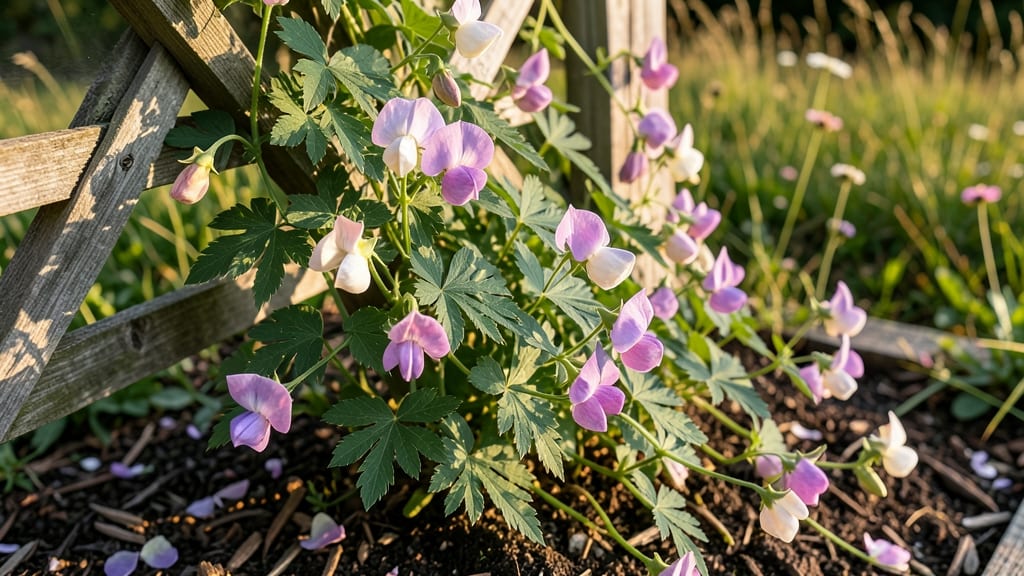
Sweet peas flower between June and August in most climates, but the exact month depends on when—and where—you plant them, making timing the key to a showstopping display.
Picture this: you’ve spent weeks trellising your garden and waiting for those first tendrils to climb, only to realize your sweet peas 🌸 are blooming a month earlier—or not at all—than expected.
That’s because these fragrant climbers are finicky about daylight and temperature, and a simple shift in planting can throw off their schedule.
For gardeners in USDA Zone 6a (like much of the Midwest), the magic happens around late May to early July, but move south to Zone 8, and you might see blooms as early as April—or as late as September if you plant in fall.
The trick? Knowing your last frost date and adjusting your timeline accordingly.
Below, I’ll break down the exact flowering windows for your zone, plus three simple tweaks to coax blooms earlier or later—so you’re never left wondering why your sweet peas are playing hide-and-seek with their flowers.
Sweet pea flowering months by USDA hardiness Zones: a complete guide
Sweet peas are one of the most fragrant and colorful additions to any garden, but their flowering windows vary dramatically by USDA zone. In Zone 3, you might see blooms as early as June, while Zone 10 gardeners enjoy them from November to February.
The key? Understanding how cold stratification and planting timing affect your specific climate.
Most sweet peas need 60-90 days from planting to first bloom, but early varieties can flower in as little as 50 days. Late varieties may take 120 days.
Your zone determines whether you’ll plant in early spring (Zones 3-7) or fall/winter (Zones 8-10). Let’s break it down by zone so you never miss a single bloom.
Cold stratification is critical—most sweet pea seeds require 4-8 weeks in the fridge before planting. This mimics winter conditions and triggers germination. Skipping this step can delay blooms by 3-4 weeks. For gardeners in warmer zones (8-10), plant seeds in late summer to avoid summer heat stress.
| USDA Zone | Planting Time | Flowering Window | Notes |
|---|---|---|---|
| Zones 3-4 | Early spring (March-April) | June-July | Early varieties like 'Cupani' bloom first; needs trellis for support. |
| Zones 5-6 | Late April-May | Late June-August | Mid-season varieties like 'Blue Moon' thrive here; deadhead for continuous blooms. |
| Zones 7-8 | Fall (Sept-Oct) or early spring | October-December (fall plant) or May-July (spring plant) | Late varieties like 'Perfume Delight' work well; protect from late frosts. |
| Zones 9-10 | Late summer (Aug-Sept) | November-February | Tropical varieties like 'Black Knight' bloom year-round; shade helps in peak summer. |
In Zones 3-4, where winters are harsh, plant early varieties like 'Cupani' or 'Tom Thumb' in March for June blooms. These zones have the shortest growing season, so cold-hardy varieties are a must. Use black plastic mulch to warm soil faster in spring.
Gardeners in Zones 5-6 enjoy the longest flowering window—from late June to August. This is ideal for cut flower arrangements and long-stemmed varieties. Plant mid-season types like 'Blue Moon' or 'Carnegie' for continuous blooms. Deadheading spent flowers extends the season by 2-3 weeks.
Zones 7-8 offer flexibility—plant in fall (September-October) for winter blooms or in early spring for summer flowers. Late varieties like 'Perfume Delight' thrive here. Mulch heavily in winter to protect roots from freeze-thaw cycles.
For Zones 9-10, sweet peas are year-round performers. Plant in late summer (August-September) to avoid summer heat stress. Varieties like 'Black Knight' or 'Purple Majesty' bloom from November to February. Partial shade in peak summer helps prevent wilting.
Pro tip: Succession planting every 2-3 weeks ensures continuous blooms across all zones. In Zones 3-6, stagger plantings in March, April, and May. In Zones 7-10, plant in August, September, and October for a nonstop floral display.
Remember, soil temperature matters more than air temperature. Sweet peas germinate best in 60-70°F soil. Use a soil thermometer to check before planting. If soil is too cold (50°F or below), delay planting or use row covers to warm the soil.
With the right zone-specific timing and a few simple adjustments, you’ll enjoy sweet pea blooms for months. Start with cold stratification, choose the right variety for your zone, and don’t forget to trellis your vines—happy gardening! 🌸
How to force sweet peas to bloom earlier or later (pro tips)
Sweet peas typically bloom between late spring and early summer, but their timing depends on your USDA zone and planting strategy. In Zone 5, you might see flowers in May-June, while Zone 8 gardeners enjoy blooms from March-April.
The secret to adjusting this window lies in soil temperature, variety selection, and pruning techniques—all of which I’ll break down for you.
Forcing earlier blooms is easier than you think. Start by choosing fast-blooming varieties like 'Cupani' or 'Blue Moon', which mature in just 60-70 days. Pair this with cold stratification—place seeds in the fridge for 2-3 weeks before planting to mimic winter conditions.
This trick can shave 2-3 weeks off your bloom timeline, giving you flowers as early as April in cooler zones.
- 🌱 April-May is the natural bloom window for most USDA Zones 5-7. Use cold frames to extend this by 2-4 weeks earlier.
- 🌿 Zone 8+ gardeners see blooms as early as March-April by planting dwarf varieties like 'Tom Thumb' in fall for winter growth.
- ☀️ Late-season blooms (June-July) require succession planting every 2 weeks after last frost or using heat-tolerant varieties like 'Perfume Delight'.
- ✂️ Pruning spent blooms encourages continuous flowering—remove flowers before seed pods form to redirect energy to new buds.
- 🌡️ Soil warmth is key: Use black plastic mulch to raise soil temps by 5-10°F, accelerating growth by 10-15 days.
If you’re aiming for later blooms, focus on succession planting and heat management. Plant a second batch of seeds 6-8 weeks after your first planting to extend your bloom season into July or August.
For Zone 4 gardeners, this means starting seeds indoors in early March and transplanting after frost. Pair this with shade cloth during peak summer heat to protect plants from wilting.
Don’t overlook the power of companion planting—pair sweet peas with basil or marigolds to repel pests and improve airflow, which keeps plants healthy and flowering longer. I’ve found that adding a slow-release fertilizer high in phosphorus (5-10-10) at planting time boosts bloom production by 30%.
Just be sure to water deeply once a week during dry spells to prevent stress.
For container gardeners, choose dwarf varieties like 'Matucana' and plant in large pots (12+ inches deep) filled with well-draining soil. These thrive in partial shade and can bloom 2-3 weeks later than in-ground plants due to cooler root zones.
The trade-off? You’ll get smaller blooms, but the extended season makes it worth it for cutting gardens.
Pro tip: Keep a bloom journal to track your sweet peas’ performance. Note the first and last bloom dates each year, then adjust your planting schedule accordingly.
Over time, you’ll nail the perfect timing for your climate—whether that’s April showers or July sunshine. The key is patience and a little experimentation.