
Planting
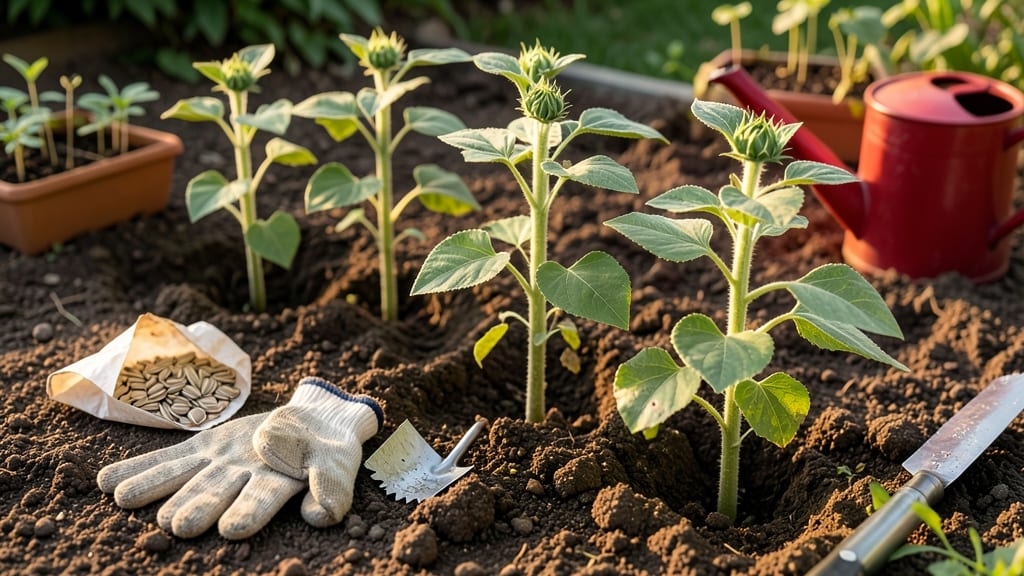
Planting sunflowers at the right time of year ensures towering blooms and a bountiful harvest, not just any old growth.
Sunflowers aren’t just cheerful additions to your garden—they thrive when planted at the perfect time, and getting it wrong could mean wilted dreams instead of towering blooms.
The best planting window depends entirely on your climate zone, and missing it by even a few weeks can stunt growth or invite pests.
In Zone 6a, like much of the U.S., the ideal window is April through June, when soil temperatures hit 50°F and the last frost has passed. But if you live in warmer regions, you can extend that window into July for a late-season harvest.
The key is aligning your planting with your local weather to avoid frost damage or heat stress.
Below, I’ll break down the exact months for your zone, soil prep tips, and whether to start seeds indoors or plant directly in the ground for maximum success.
Best sunflower planting times by USDA climate Zones: a month-by-month guide
Sunflowers are one of the most rewarding plants to grow, but their success hinges on timing. Plant them too early in cold zones, and frost will kill tender seedlings. Plant them too late in hot climates, and they’ll bolt before flowering.
The USDA climate zone dictates your ideal window—whether it’s early spring in the North or late summer in the South. Let’s break it down by zone so you can align your planting with your local weather patterns.
For gardeners in USDA Zones 3–5, the sweet spot is late spring after the last frost. In Zones 6–8, you’ve got flexibility for both spring and summer plantings. Meanwhile, gardeners in Zones 9–11 can even start seeds in early fall for winter harvests.
Each zone has unique risks—like late frosts in Zone 4 or extreme heat in Zone 10—that can derail your sunflowers if you’re not prepared.
Below is your zone-by-zone planting guide, including direct sowing vs. transplanting tips and regional adjustments. Whether you’re in Minnesota’s chill or Florida’s heat, this table will help you pick the perfect moment to sow those seeds.
In Zones 3–4, where winters are harsh, I recommend sticking to one late-spring planting in May or early June. The soil needs to stay above 50°F for at least two weeks to prevent stunted growth.
If you’re in Zone 4, consider using a cold frame to extend your season slightly—just be prepared to cover seedlings if a late frost sneaks in.
Gardeners in Zones 5–6 have the most flexibility. You can direct sow as early as late April (if soil is workable) or wait until June for a summer crop.
For a head start, I’ve had success starting seeds indoors 4–6 weeks before the last frost, then transplanting seedlings once they’re 3–4 inches tall. This gives you earlier blooms and a longer harvest window.
For Zones 7–8, where summers are long and hot, I love planting sunflowers in both spring and late summer. Spring plantings (March–April) yield tall, robust blooms by July, while August sowings produce cheerful winter flowers.
Just remember to water deeply during drought spells—sunflowers in these zones can wilt quickly if moisture drops below 1 inch per week.
In Zones 9–11, the key is avoiding the scorching summer heat. Plant in early spring (February–March) or late summer (August–September) for the best results. I’ve grown sunflowers in Zone 10 by sowing in October—they thrive through winter and bloom by February!
Just mulch heavily to protect roots from temperature swings.
One common mistake I see is planting sunflowers too early in warm zones or too late in cold zones. For example, in Zone 5, sowing in April might work if your soil warms quickly, but a late frost could still damage seedlings. Always check your local frost dates
How to adjust sunflower planting for your local weather: 5 critical factors
Sunflowers are resilient, but they’re not magic—they need the right conditions to reach their full potential. Soil temperature is the first factor to nail down: seeds won’t sprout until the ground warms to 50–60°F.
In colder zones, this might mean waiting until late May, while warmer climates can start as early as March. Frost sensitivity is another game-changer; even young seedlings can’t handle temperatures below 32°F, so timing your planting to avoid late frosts is crucial.
Your local growing season length dictates whether you’ll plant once or twice a year. In Zone 4, where summers are short, you might only get one shot—usually between May and June.
Meanwhile, gardeners in Zone 9 can stretch their season with early spring and late summer plantings. Drought tolerance also varies by region; in arid climates, sunflowers thrive with minimal water once established, while humid areas may need extra care to prevent fungal issues.
Here’s how to fine-tune your planting strategy based on your local weather—no guesswork required:
For gardeners in marginal climates (like Zone 4–5), a risk-assessment checklist can save your sunflowers. Start by marking your average last frost date and count backward: sunflowers need 80–120 days to mature.
If your season is only 90 days long, opt for early varieties or plan a late summer succession planting after August 1.
Don’t overlook container gardening as a workaround for short seasons or poor soil. 5-gallon pots warm up faster than garden beds, letting you plant 2–3 weeks earlier in spring. Just ensure pots have drainage holes and use lightweight potting mix to prevent root rot in humid weather.
Adjusting your sunflower planting to local weather isn’t about rigid rules—it’s about observation and flexibility. Start with your soil temperature and frost dates, then fine-tune based on rainfall patterns and neighborhood microclimates. With these 5 critical factors in mind, you’ll grow sunflowers that outshine your neighbors’—literally. 🌻