
Container Gardens
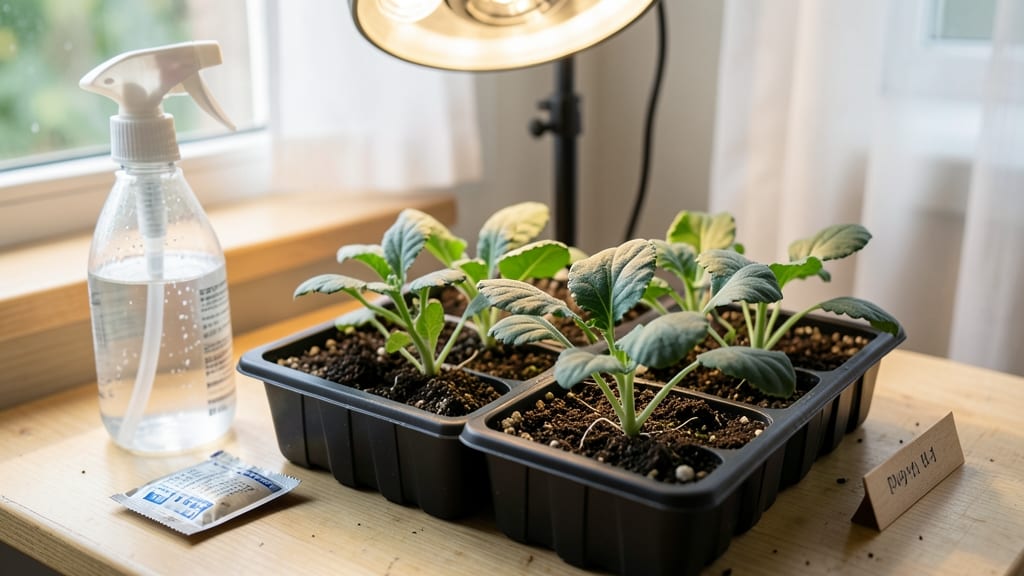
Starting cauliflower seeds indoors 6-8 weeks before your last frost date is the key to a bountiful spring harvest 🥬 — and getting it wrong can mean either leggy seedlings or missed harvests.
Timing is everything when growing cauliflower from seeds—plant too early, and your seedlings will outgrow their containers; too late, and you’ll miss the harvest window. Mastering your frost-date calculator ensures a thriving crop tailored to your USDA zone.
For most gardeners in Zone 6a, that means setting your seed-starting date between February and March, but your exact window depends on when your last frost falls. A simple calculation—subtract 8 weeks from your average frost date—and you’ll have the perfect indoor start time.
In this guide, I’ll walk you through how to pinpoint your ideal start date, the best cauliflower varieties for your region, and how to avoid common timing mistakes that derail even the most careful gardeners.
How to calculate your cauliflower seed starting date by Zone
Cauliflower thrives with precise timing—start seeds too early, and leggy seedlings will struggle; too late, and you’ll miss your harvest window. The key is calculating your last frost date and working backward from your plant’s 8-10 week growth timeline.
Every USDA zone has unique deadlines, so let’s break it down step by step.
First, find your last average frost date for your zone (use the USDA Plant Hardiness Zone Map). Subtract 8-10 weeks from that date—this is your indoor seed-starting window.
For example, if your last frost is April 15, aim to start seeds between February 1 and February 25. This ensures sturdy seedlings ready for transplant.
Cauliflower seedlings need consistent warmth (70-75°F) and 12+ hours of light daily to prevent stretching. Without proper light, seedlings grow weak and floppy—a common mistake in early starts. Use grow lights if natural light is limited, especially in cooler zones like 3-5 where winter days are short.
Here’s your frost-date calculator for common zones. Adjust for early or late frosts in your specific microclimate—mountain zones (e.g., Zone 6 in Colorado) often have later frosts than coastal areas (e.g., Zone 6 in Oregon). Always err on the earlier side if your zone has unpredictable spring weather.
| USDA Zone | Last Frost Date | Indoor Start Window | Transplant Ready | Harvest Window |
|---|---|---|---|---|
| Zone 3 (e.g., Minnesota) | May 15 | March 1 - March 15 | April 30 - May 10 | July - August |
| Zone 4 (e.g., Upstate NY) | May 1 | February 28 - March 10 | April 15 - April 25 | June - July |
| Zone 5 (e.g., Chicago) | April 20 | February 15 - February 25 | April 1 - April 10 | June - July |
| Zone 6 (e.g., Kansas City) | April 15 | February 1 - February 15 | March 30 - April 5 | May - June |
| Zone 7 (e.g., Virginia) | March 20 | January 15 - January 30 | March 1 - March 15 | April - May |
| Zone 8 (e.g., Atlanta) | February 15 | December 15 - January 5 | February 1 - February 15 | March - April |
| Zone 9 (e.g., Los Angeles) | January 10 | November 1 - November 15 | January 1 - January 10 | February - March |
| Zone 10 (e.g., San Diego) | December 1 | October 1 - October 15 | November 15 - November 30 | December - January |
*Adjust dates 1-2 weeks earlier for high-altitude zones or later for coastal zones with mild winters.
For Zone 3-5 gardeners, early starts are critical—seedlings need strong light to compensate for short daylight hours. Use reflective surfaces (like aluminum foil behind trays) to maximize light efficiency.
In Zones 6-10, you can push starts slightly later, but avoid waiting past January 31 in Zone 6 or December 15 in Zone 8 to prevent bolting.
Pro tip: Overwintering cauliflower in Zones 7-10 is possible with row covers, but seeds should still start indoors 4-6 weeks before your usual transplant date.
This extends your harvest into late fall, when grocery store options dwindle. Just monitor for early frost warnings and protect plants with cloches or fabric.
Once you’ve nailed your start date, harden off seedlings for 7-10 days before transplanting. This means gradually exposing them to outdoor conditions (wind, sun, temperature fluctuations) to prevent shock. Skip this step, and you’ll risk wilting or stunted growth—a heartbreaking mistake after all your timing work!
Remember: Cauliflower is a cool-season crop, but it hates heat. In Zones 8-10, plan for fall planting (start seeds in August-September) to avoid summer bolting. Use shade cloth
Best cauliflower varieties and their ideal indoor starting times
Not all cauliflower varieties play by the same rules—some thrive in cool weather while others bolt at the first hint of heat. Choosing the right type and timing it perfectly ensures a harvest-ready crop instead of bitter disappointment.
Let’s break down the three most popular varieties and their ideal indoor starting windows based on your USDA zone.
For cold-hardy varieties like Snowball, you can start seeds as early as January in Zones 5-10, while heat-sensitive types like Romanesco need a later start in warmer climates. The key is matching your variety’s maturity date (50-100 days) with your last frost date—a mismatch means wasted effort.
| Variety | Days to Maturity | Cold Tolerance | Heat Sensitivity | Ideal Indoor Start (Zones 3-7) | Ideal Indoor Start (Zones 8-10) |
|---|---|---|---|---|---|
| Snowball | 85-95 days | High | Moderate | February 15 - March 1 | March 1 - March 15 |
| Purple of Sicily | 70-80 days | Very High | Low | January 15 - February 15 | February 15 - March 1 |
| Romanesco | 90-100 days | Moderate | High | March 1 - March 15 | April 1 - April 15 |
*Adjust dates 1-2 weeks earlier for cooler zones or later for warmer climates.
Snowball is the crowd-pleaser for most gardeners—its 85-95 day maturity gives you flexibility, but it struggles in temperatures above 80°F. Start seeds 6-8 weeks before your last frost in Zones 3-7, or wait until March in Zones 8-10 to avoid bolting. For example, if your last frost is April 15, aim to start seeds by February 28 in Zone 5.
The Purple of Sicily variety is a cool-weather champion with a 70-80 day harvest window, making it perfect for early starts. Its vibrant purple heads add visual interest, but they’re sensitive to heat stress.
In Zone 4, you can push seeds as early as January 15—just ensure your seedlings get bright light to prevent leggy growth. This variety thrives in 50-70°F soil temperatures, so avoid starting too early in warm zones.
Romanesco is the fancy cousin of cauliflower, with its fractal-like green heads and 90-100 day maturity. It’s less cold-tolerant than Snowball but heat-sensitive, so wait until March 1 in Zones 3-7 or April 1 in Zones 8-10. Pro tip: Use shade cloth if your seedlings face afternoon sun during hot starts—this prevents transplant shock later.
Remember, maturity dates are your best friend when planning. A 90-day variety in Zone 6 needs to be transplanted by June 10 to avoid frost, so count backward 8-10 weeks from your last frost date.
Use a seedling heat mat if your home stays below 65°F—cauliflower seeds won’t germinate in cold soil.
For extended harvests, succession plant Purple of Sicily every 2 weeks in early spring. And if you’re in Zone 10, consider fall planting—Romanesco can handle cooler temps and may produce a second crop before winter sets in.