
Planting
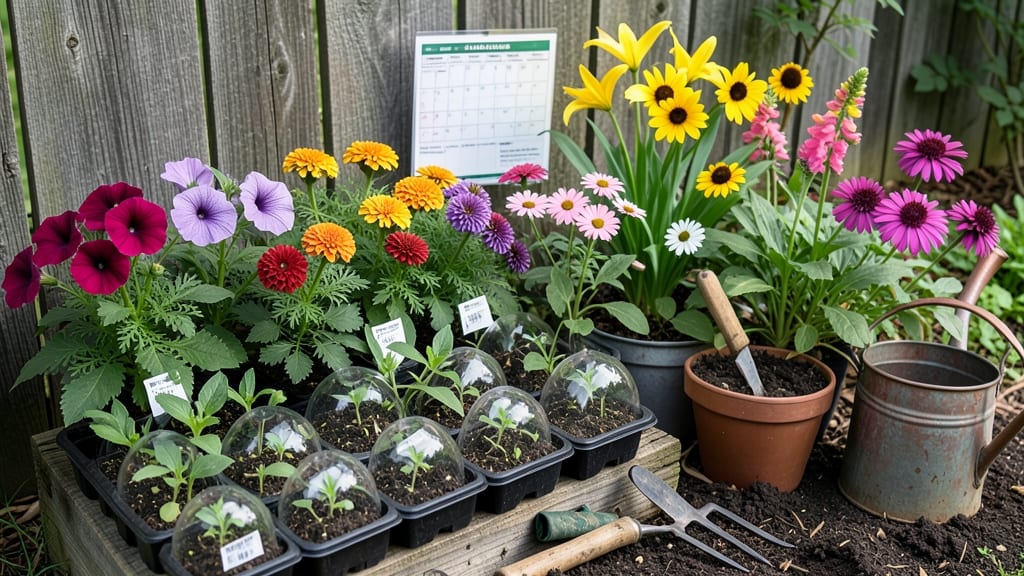
You can plant flowers in Ohio as early as March in southern zones or wait until May in colder northern areas, depending on frost dates and flower types.
Ohio’s unpredictable spring weather can leave gardeners guessing—plant too early, and frost will kill your blooms; too late, and you’ll miss peak summer color. But with the right timing by USDA zone, you can ensure vibrant flowers all season long.
For 6a-6b zones, most annuals like marigolds and petunias thrive when soil warms to 50°F—typically after mid-April. Perennials, like coneflowers, can handle cooler soil and often do best in early spring or late summer.
Below, I’ll break down exact planting windows by zone, soil prep tips, and how to adjust for Ohio’s unpredictable weather—so you get the most from your garden without the guesswork.
Ohio flower planting calendar by USDA zone (exact months for best results)
Ohio spans USDA zones 5a through 6b, meaning frost dates vary dramatically from northern Cleveland to southern Cincinnati. In zone 5a (e.g., Toledo), last frost typically arrives April 15-30, while zone 6b (e.g., Columbus) sees frost-free soil by April 1-15.
These differences matter—planting pansies too early in zone 5a risks frost damage, while marigolds planted late in zone 6b may struggle to establish before summer heat.
To simplify, I’ve organized this guide by monthly planting windows for annuals, perennials, and bulbs, with adjustments for Ohio’s 5 USDA zones. Whether you’re a beginner gardener or a seasoned pro, these exact dates will help you avoid common mistakes like overcrowding or underwatering new transplants.
🌱
For zone 5a, I recommend starting cold-hardy annuals like pansies indoors in February to give them a head start. These flowers can tolerate light frosts (28–32°F), making them ideal for Ohio’s early spring.
In contrast, tender annuals like marigolds should wait until after May 1 in northern Ohio to avoid frost damage.
Perennials like coneflowers and black-eyed Susans thrive when planted in early spring (March–April) or early fall (September–October). This timing allows roots to establish before summer heat or winter freeze.
I’ve found that fall planting often yields stronger first-year blooms because the plants focus on root growth rather than flowering.
Bulbs are a gardener’s secret weapon for early spring color. Plant tulips and daffodils in October (zone 5a) or September (zone 6b) to ensure they naturalize and multiply over time.
Pro tip: Use a bulb planter or trowel to avoid damaging roots, and add a 2-inch layer of mulch afterward to protect them from freeze-thaw cycles.
🌿
If you’re in zone 6b, don’t overlook late-summer planting for fall-blooming flowers. Asters and chrysanthemums planted in August will reward you with autumn color when many gardens are winding down.
For container gardening, stick to heat-tolerant varieties like portulaca or lantana, which thrive in full sun and dry soil—perfect for balconies or patio pots.
Top 5 flowers to plant early vs. late in Ohio (and why timing matters)
Ohio’s USDA zones 5a-6b mean spring frost can linger until mid-April in northern areas, while southern Ohio sees earlier warmth. Planting at the right time ensures vibrant blooms and avoids frost damage. Some flowers thrive when planted early, while others need late-season warmth to flourish.
For early planting (March-April), focus on cold-hardy annuals and perennials that tolerate light frost. These varieties establish roots before summer heat arrives. Late plantings (June-July) work best for heat-loving annuals that need warm soil to germinate.
Here’s how to maximize your Ohio garden’s bloom season with the right timing for these top 5 flowers:
| Flower | Best Planting Time | Frost Tolerance | Bloom Season | Pro Tip |
|---|---|---|---|---|
| Pansies | Early (March-April) | High (survives 28°F) | Spring & Fall | Plant in partial shade to extend blooms into summer. |
| Marigolds | Late (June-July) | Low (needs 60°F soil) | Summer-Fall | Direct sow after last frost for disease-resistant blooms. |
| Coneflowers | Early (March-April) | Moderate (survives 20°F) | Summer-Fall | Deadhead spent blooms to encourage reblooming. |
| Sweet Alyssum | Early (March-April) | High (survives 25°F) | Spring-Fall | Pinch back tips to promote bushier growth. |
| Zinnias | Late (June-July) | Low (needs 70°F soil) | Summer-Fall | Sow every 2 weeks for continuous blooms. |
Pansies and sweet alyssum are my go-to early plantings because they handle Ohio’s late frosts while still delivering bright color. Their frost tolerance means you can enjoy them from spring through fall with proper care.
For late-season color, marigolds and zinnias shine. These heat-loving annuals need warm soil to germinate, making them perfect for June plantings. Their long bloom seasons extend your garden’s vibrancy well into autumn.
Coneflowers are perennial workhorses—plant them early to establish strong roots, and they’ll reward you with years of low-maintenance blooms. Deadheading spent flowers keeps them producing new blooms until first frost.
Pro tip: Use row covers for early plantings if frost threatens. For late plantings, choose fast-growing varieties like zinnias to maximize your bloom time before winter sets in.