
Flowers
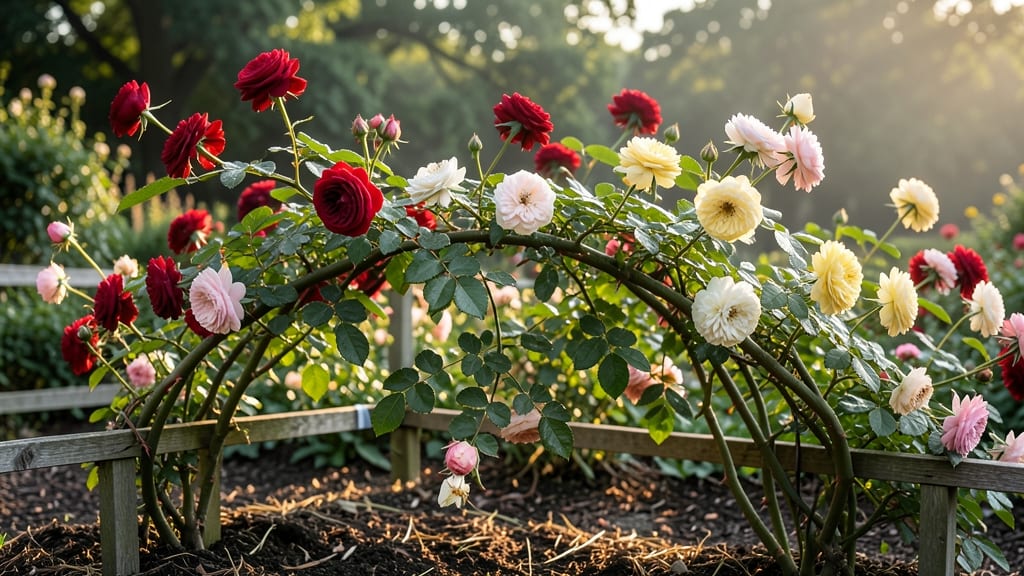
Climbing roses flower in late spring through summer, with exact timing depending on the variety and your hardiness zone — think May through September for most gardeners in Zone 6a.
If you’ve ever wondered why your climbing roses bloom at different times—or why some varieties seem to defy seasonal expectations—timing is everything. Understanding the exact months climbing roses flower (and how climate zones affect them) can mean the difference between a stunning summer display and a missed opportunity.
Early bloomers like 'New Dawn' often kick off the show in May, while late-season varieties such as 'Blaze' may linger into September. But here’s the catch: cooler zones (like 3-5) can delay blooms by weeks, while warmer zones (6-10) might see flowers appearing earlier.
Below, I break down the best varieties for staggered blooms, how to adjust care for your zone, and 5 pro tips to extend those gorgeous flowers well beyond their usual season.
Climbing rose flowering seasons by variety: month-by-month guide
Climbing roses are the stars of any garden, but their blooming windows vary dramatically by variety and climate zone. Some varieties burst into color in early spring, while others wait until late summer or even fall.
Knowing these differences helps you plan for a continuous floral display from May through October—or even longer, depending on your choices.
For example, 'New Dawn' is famous for its late-season blooms, while 'Blaze' thrives in early summer heat. Even within the same zone, a 4-degree temperature shift can delay or advance blooms by 2-3 weeks.
Let’s break down the exact months for 10 popular climbing roses, adjusted for USDA zones 5-9, so you can choose varieties that align with your garden’s timeline.
⚠️ PRO TIP: In zones 5-6, expect blooms to start 2-4 weeks later than in zones 7-9. Use this table to match varieties to your local frost dates and microclimate.
| Variety | Primary Bloom Months (Zones 7-9) | Primary Bloom Months (Zones 5-6) | Repeat Blooms? | Color & Notes |
|---|---|---|---|---|
| 'New Dawn' | June–October | July–September | Yes (heavy) | Creamy white; late-season favorite; disease-resistant. |
| 'Blaze' | May–July | June–August | No (once) | Vibrant orange-red; heat-tolerant; early summer showstopper. |
| 'Zephirine Drouhin' | June–September | July–August | Yes (light) | Pink with climbing habit; thornless; needs strong support. |
| 'Graham Thomas' | May–June | June–July | No (once) | Deep pink; old-fashioned charm; fragrant blooms. |
| 'Albertine' | June–August | July–September | Yes (moderate) | Soft pink; repeat bloomer; drought-tolerant once established. |
| 'Schneewittchen' | May–June | June–July | No (once) | Pure white; classic climber; thorny stems. |
| 'William Baffin' | June–September | July–August | Yes (heavy) | Creamy yellow; prolific blooms; semi-climbing habit. |
| 'Félicité et Pérpetue' | May–October | June–September | Yes (continuous) | Pink with double blooms; fragrant; thornless. |
| 'The Fairy' |
How USDA hardiness zones shift climbing rose blooming timesClimbing roses are stunning additions to any garden, but their blooming times can vary dramatically depending on your USDA hardiness zone. In warmer zones (6-10), many varieties burst into bloom as early as late March or April, while gardeners in colder zones (3-5) may not see flowers until May or even June. This shift isn’t just about timing—it affects which varieties thrive in your region and how you should plan your garden layout. The key difference lies in chilling requirements and spring warmth. Roses in colder zones need more time to break dormancy, while those in warmer climates respond quickly to rising temperatures. For example, 'New Dawn' typically blooms in May in Zone 5, but in Zone 8, it may start as early as March. Understanding these patterns helps you choose the right varieties and prepare for seasonal care. If you live in a transitional zone (e.g., Zone 6), you might experience unpredictable blooming times due to late frosts or early heatwaves. To mitigate this, choose late-blooming varieties like 'Blaze' or 'Zephirine Drouhin', which are more adaptable. These roses often produce flowers in June and July, even if spring is cool. For colder zones, opt for hardy climbers like 'Rambling Rector', which tolerates delayed warmth. Another strategy is to plant roses near south-facing walls or fences to create a microclimate that warms up faster in spring. This can shift blooming times by 2-4 weeks earlier compared to exposed areas. In Zone 4 or colder, consider container growing—potted roses can be moved to sheltered spots during winter and brought into bloom sooner in spring. Just ensure your containers have drainage holes to prevent root rot. Pruning also plays a crucial role in adjusting blooming times. In warmer zones (8-10), prune lightly in late winter to encourage early blooms, while in colder zones (3-5), a harder prune in early spring helps stimulate growth once temperatures rise. Always remove dead or diseased wood first, then shape the plant to promote airflow. This not only improves bloom quality but also reduces the risk of black spot or other fungal issues. For gardeners in Zone 7 and above, consider staggered planting—combine early bloomers like 'Cecile Brunner' with late-season varieties like 'Mermaid' to create a continuous display from spring through fall. In cooler climates, focus on repeat-blooming roses that produce flowers in late spring and again in summer, such as 'The Fairy' or 'Compassion'. These varieties compensate for delayed blooming with prolonged flowering. Finally, pay attention to local weather patterns rather than relying solely on zone guidelines. Use a plant journal to track when your roses bloom each year—this helps you adjust care routines and variety choices over time. With the right approach, you can enjoy climbing roses in bloom for months, regardless of your zone. The key is selecting the right varieties and giving them the optimal growing conditions to thrive in your climate. |