
Blooming
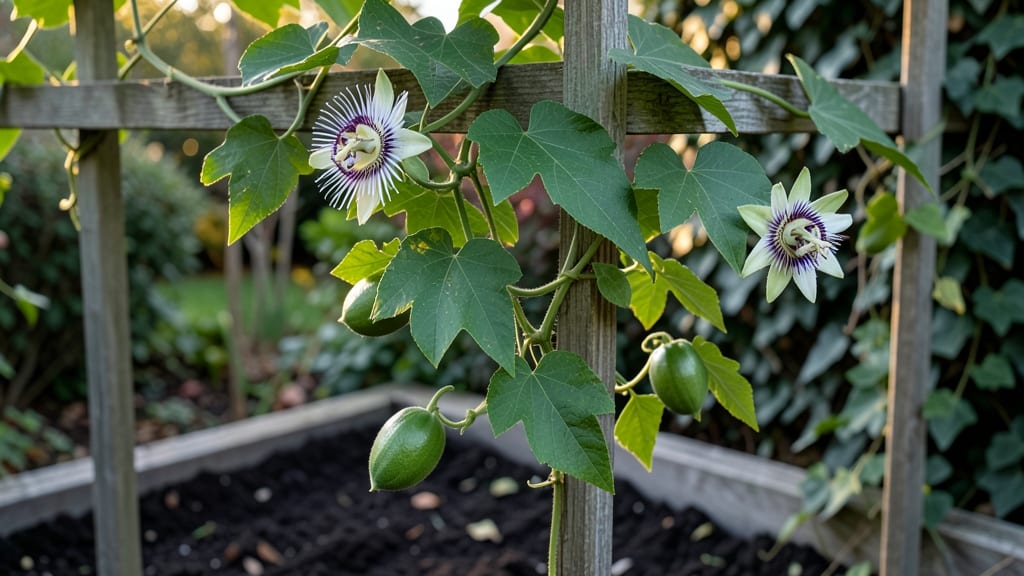
Passionfruit flowers bloom in late spring to early summer in most tropical and subtropical regions, but the exact timing depends on your climate zone and variety—like the maroon-petaled Purple passionfruit vs. the pale yellow Granadilla.
Picture this: You’ve waited months for those stunning, intricate blooms to appear, only to find your vines still bare. The frustration hits hard when you realize a single degree of temperature or a few extra hours of sunlight could have made all the difference.
In this guide, I’ll break down the precise months passionfruit flowers appear in USDA zones 8-11, plus the science behind what triggers those blooms—from daylight length to soil nutrients. You’ll also learn how to speed up flowering if your climate plays hard to get.
Whether you’re in humid Florida or dry California, these tips will help you coax your vines into action and turn those blooms into a harvest of sweet, tropical fruit.
Passionfruit flowering calendar by USDA climate zones
Passionfruit vines thrive in USDA zones 8-11, but their flowering windows shift dramatically based on temperature and daylight. In tropical zones (10-11), like Hawaii or southern Florida, you'll see year-round blooms with peaks during warm, humid months.
Meanwhile, subtropical zones (9-10), such as coastal California or southern Texas, experience spring-to-fall flowering triggered by rising temperatures above 65°F. Even in warm temperate zones (8), like parts of Georgia or Arizona, vines can flower if protected from winter chills.
Understanding these patterns helps you time pruning and fertilization for maximum fruit production. For example, Purple passionfruit (Passiflora edulis) typically blooms 2-3 months earlier than Yellow passionfruit (Passiflora edulis flavicarpa) in the same zone.
Below, I’ve broken down the monthly flowering windows by zone, along with the scientific triggers that kickstart blooms—so you can plan ahead for a harvest.
Comparison Table: Passionfruit Flowering by USDA Zone
| USDA Zone | Primary Flowering Window | Temperature Trigger (°F) | Daylight Hours | Best Variety for Zone |
|---|---|---|---|---|
| 11 (Tropical) | Year-round (peaks Jan-May, Sep-Nov) | 70-90°F consistently | 12+ hours | Purple (Passiflora edulis) |
| 10 (Subtropical) | Feb-Jul, Sep-Nov | 65-85°F (avoid below 50°F) | 11-13 hours | Yellow (Passiflora edulis flavicarpa) |
| 9 (Subtropical) | Mar-Aug, Oct-Nov | 60-80°F (no frost) | 10-12 hours | Granadilla (Passiflora ligularis) |
| 8 (Warm Temperate) | Apr-Sep (with winter dormancy) | 55-75°F (protect from frost) | 9-11 hours | Purple (hardy varieties) |
In USDA zone 11, where temperatures rarely drop below 60°F, passionfruit vines flower continuously but produce two major blooming surges: one in late winter/early spring (January-May) and another in fall (September-November). This aligns with the 12+ hours of daylight during these periods, which triggers photoperiodic flowering.
In contrast, zone 8 gardeners must wait until April when soil temperatures exceed 55°F—and even then, vines may enter dormancy if nights dip below 40°F.
For Yellow passionfruit, blooms appear 4-6 weeks later than Purple varieties in the same zone. This delay is due to genetic differences in flowering hormones. For example, in zone 10, Purple passionfruit may start blooming in February, while Yellow varieties wait until March or April.
If you’re growing both, prune Purple vines lightly in late winter to encourage early blooms, then focus on Yellow vines in spring for a staggered harvest.
Daylight hours play a critical role in triggering blooms. Passionfruit vines are short-day plants, meaning they flower when daylight drops below 12 hours—but only if temperatures stay warm.
In zone 9, this happens naturally in fall (September-November), but in zone 10, the effect is muted due to consistent long days.
To compensate, I recommend pruning vines in late summer to reduce foliage and stress the plant slightly, which can trick it into flowering earlier.
One common misconception is that passionfruit vines flower only once per year. In reality, healthy vines in
How to accelerate passionfruit flowering in non-ideal climates
If you live in USDA zones 7 or below, your passionfruit vines might struggle to flower naturally without a little help. Cooler temperatures and shorter days can delay blooming, but with the right techniques, you can trick your plants into producing those maroon trumpet-shaped flowers even in less-than-ideal conditions.
The key lies in mimicking tropical triggers—like extended daylight and warm soil—while protecting your vines from frost damage.
Passionfruit thrives in tropical climates (zones 10-11), where temperatures stay above 50°F (10°C) year-round. In cooler zones, flowering typically occurs between late spring and early summer, but it can be sporadic.
By combining winter protection, strategic pruning, and soil amendments, you can push your vines to bloom earlier and more reliably. Let’s break down the proven methods.
Passionfruit needs 12+ hours of light to trigger flowering. Use grow lights (10,000 lux LED) for 4-6 hours after sunset in late winter/early spring to simulate longer days.
Cut back overwintered vines by 1/3 in early spring to stimulate fresh shoots. Focus on non-woody stems, as these produce the most flowers. Use sterilized shears to prevent disease.
Amend soil with a 5-10-10 fertilizer (high phosphorus) in early spring to encourage blooms. Mix 1 tbsp per square foot into the top 6 inches of soil. Avoid nitrogen-heavy fertilizers, which promote leafy growth over flowers.
Winter protection is critical for vines in zones 6-8. Use a frost cloth or cold frame to shield plants from temperatures below 40°F (4°C). In containers, move pots to a garage or greenhouse during freezing nights.
Even a 5°F (3°C) drop can stunt growth, so monitor forecasts and act quickly. Mulch heavily with straw or pine needles to insulate roots.
Artificial light isn’t just for indoor growers—it’s a game-changer for outdoor vines in short-day climates. Place full-spectrum LED grow lights near your trellis and run them for 4-6 hours after sunset starting in late February.
This mimics the 12+ hours of daylight passionfruit craves. Pair this with a drip irrigation system set to morning watering to keep soil consistently moist but not waterlogged.
Don’t overlook the power of pruning timing. The best window to prune for flowering is late winter to early spring, just as new growth begins. Remove dead or weak stems first, then cut back healthy vines by 20-30% to redirect energy into flower production.
Avoid heavy pruning in summer or fall, as this can delay next year’s blooms. Always sanitize your tools with rubbing alcohol to prevent bacterial spread.
For a 3-step forced blooming checklist, start by testing your soil’s phosphorus levels (aim for 40-60 ppmbone meal or a phosphorus-rich fertilizer. Next, install grow lights or reflective mulch to extend daylight.
Finally, water deeply 2-3 times per week and avoid fertilizing with nitrogen. With these adjustments, you’ll see buds forming in 4-6 weeks—even in cooler zones!